

When I was 23, I learned technical writing in the least glamorous way possible: I collected great samples, pulled them apart, and tried to rebuild them from scratch. I was writing software tutorials for pro video editors, and my SMEs were brilliant, but their explanations were not reader-ready.
Medical writing is the same kind of craft, just with higher stakes. You can read advice all day, but your skills jump when you study strong examples and train your eye for structure, precision, and audience fit.
This is my “example map” for medical writing, written for students who want to stop guessing and start improving on purpose. If you want a broader overview of the field first, I explain the landscape in my guide on medical writing, and then you can come back here with better context.
Medical writing is one of those careers that looks like “just writing” until you see what the writing actually affects. A well-written medical document can change how a clinician makes a decision, how a patient follows instructions, or how a regulator evaluates risk.
That impact shows up across industries and contexts. You’ll see medical writing in academic research, clinical trials, government health communication, continuing medical education, medical marketing, and product labeling, and each one comes with different constraints.
What stays constant is this: medical writing translates evidence into language people can act on. That might mean helping a reviewer evaluate safety reports, helping a healthcare professional understand a guideline, or helping a patient interpret instructions without anxiety.
If you’re trying to enter the field, you’ll get more clarity by choosing a lane early. In my career guide on how to become a medical writer, I break down the common entry paths and what hiring teams tend to look for, and that makes it easier to pick which examples to study first.
Most students collect samples the way people collect bookmarks. They grab a hundred links, skim them once, and never actually train the skill.
If I were learning medical writing today, I’d use examples like a gym routine. I’d pick a small set, practice with them repeatedly, and measure progress by how much easier it is to produce a clean draft under constraints.
If you try to learn every type of medical writing at once, you’ll build shallow confidence and weak drafts. It’s more effective to pick one target audience, like patients or regulators, and one format you’ll practice weekly, like patient handouts or label-style summaries.
When you do this, your portfolio starts looking coherent. That coherence matters when you later build your medical writer resume and you want your samples to tell a clear story about what you can do.
I’d choose 10 samples in the same format from reputable sources and keep them in one folder. The goal is pattern recognition, so consistency is your friend.
For example, if you’re studying drug labels, you can use a public database like DailyMed, and you’ll quickly notice how structure stays predictable even when the medical content changes.
Reverse outlining is where learning happens. You take a sample and write the outline you think the writer used, then you label what each section is doing.
Once you can name the moves, you can repeat the moves. That’s how you go from “I read good writing” to “I can produce good writing.”
Now you draft a version from scratch using different source material, but the same structure. You’re not copying content. You’re copying the underlying blueprint.
This is also a clean way to create “spec samples” for your portfolio if you can’t share client work. In my guide on the medical writing career path, I talk about why targeted samples often beat generic writing when you’re trying to break in.
Medical writing is review-heavy work. If you can’t handle edits, the job is going to feel painful.
So I’d practice the review process early. I’d ask for feedback on clarity, accuracy, structure, and tone, then I’d revise and keep a “change log” so I can see what I keep messing up.
If you want practice questions that help you sound confident in interviews, my list of medical writer interview questions can help you connect your sample work to how hiring teams evaluate you.
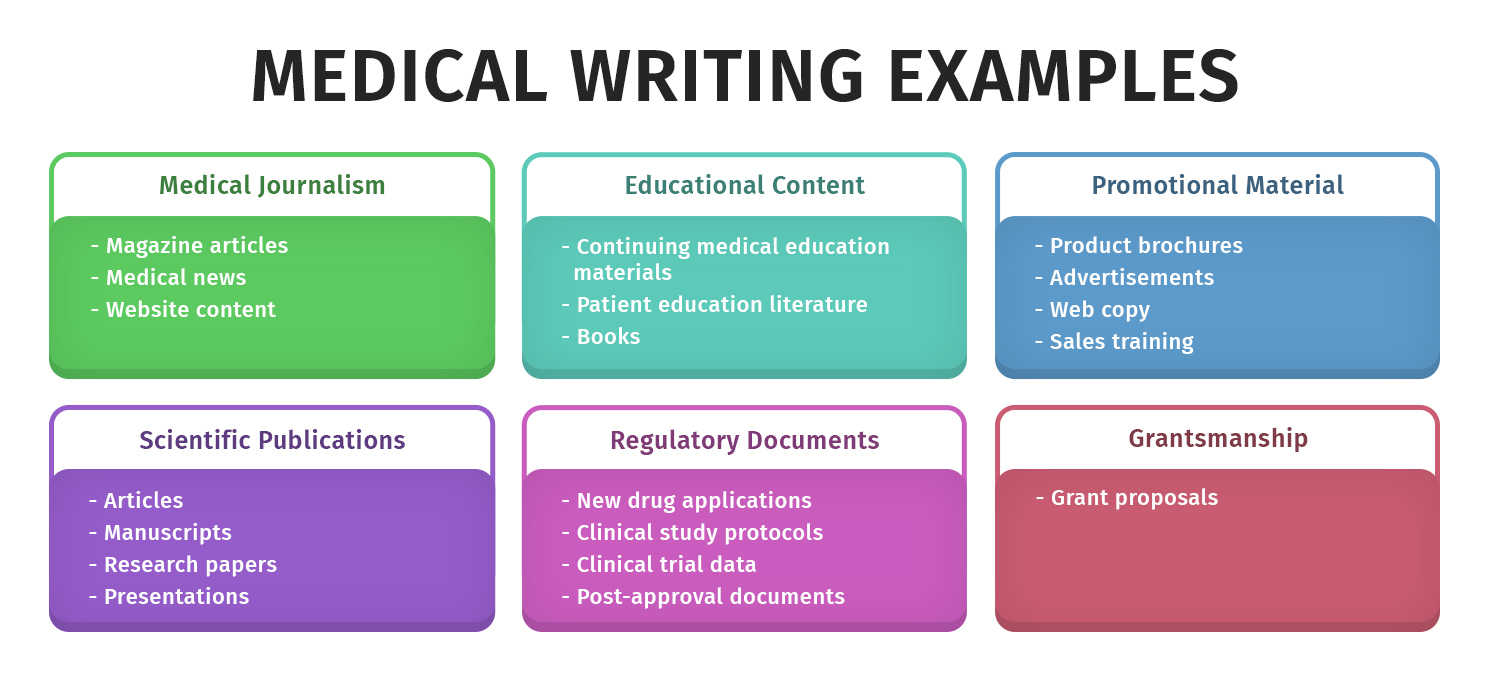
Once you’ve dedicated time and effort to understanding medical concepts, it is time to implement them in your medical content. Based on our thorough research, we have come up with 10 examples from the medical writing market to inspire and help you in understanding what medical writing is all about.
Whether you’re targeted healthcare professionals or academics, your educational and professional backgrounds are important to writing quality content.
Experienced writers take inspiration from the copy that senior medical writers have published. Here are some examples to show how you can create great medical copy for your clients:
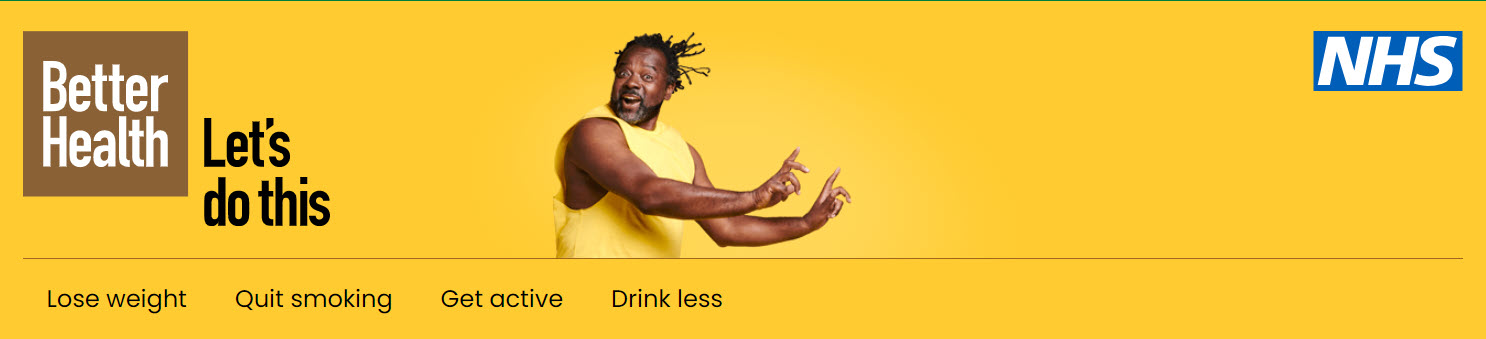
Good medical writing connects with the readers without wasting any time. The NHS Better health website does this better than many others. The medical copy is fun to reach and helps you take quick action through its “Let’s Do This” tagline.
NHS wants you to take action for positive health outcomes.
The short, succinct, and fun-to-read medical copy is helping readers take an action to improve their health. The main page has links to internal pages with the right copy and visuals.
This is an excellent example where medical copywriting focuses on educational materials without sounding too boring or professional. It inspires you to download the NHS app and start improving your health for the better.
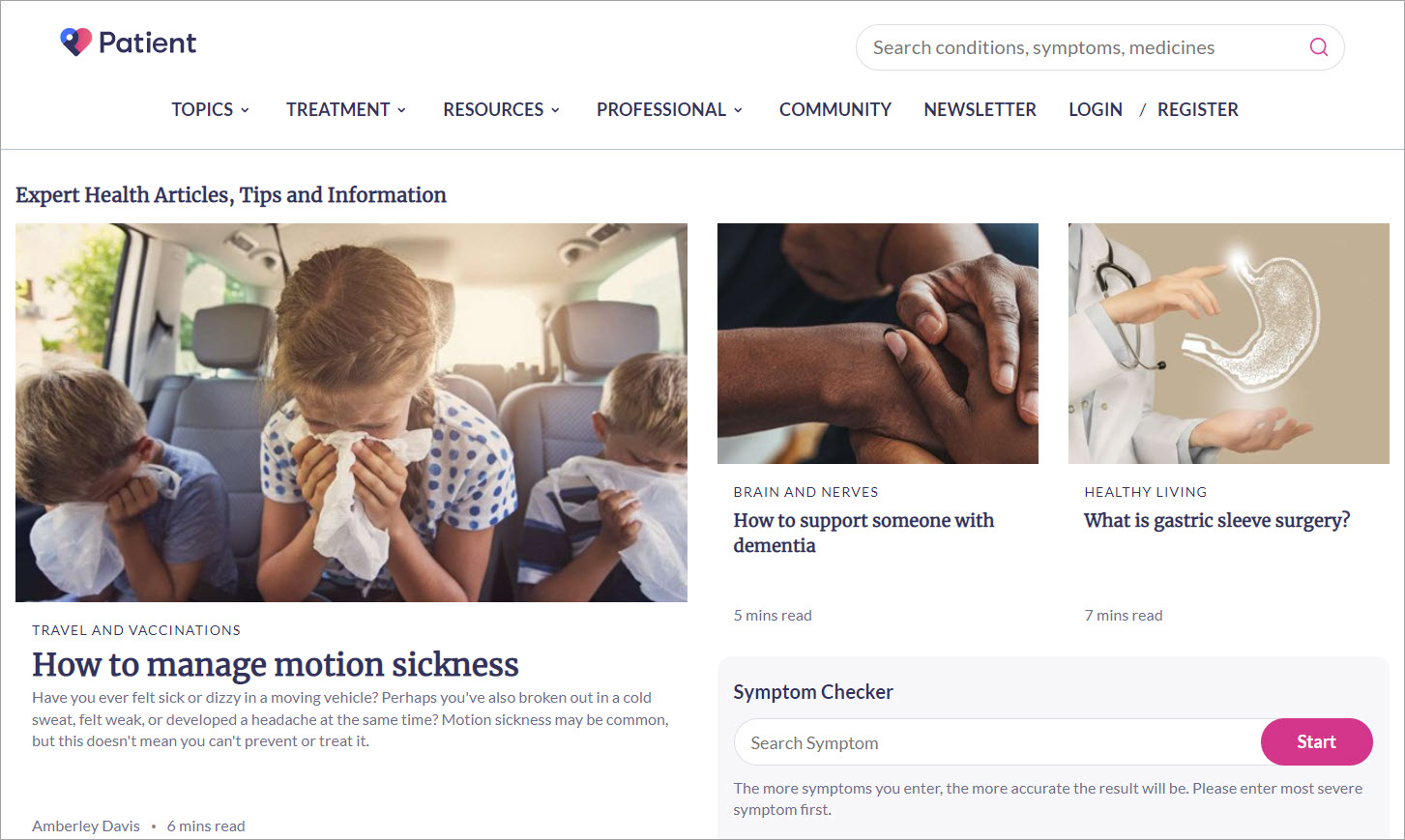
Another website that uses technical writing to convey accurate information, is Patient. The content gives you a clear understanding of what you’d expect from a website that provides information on new treatments, new drugs, and advanced medical terms.
You can see that the medical writers have content for both genders, with the option to read content on different types of diseases and their treatment. The website copy is informational in nature.
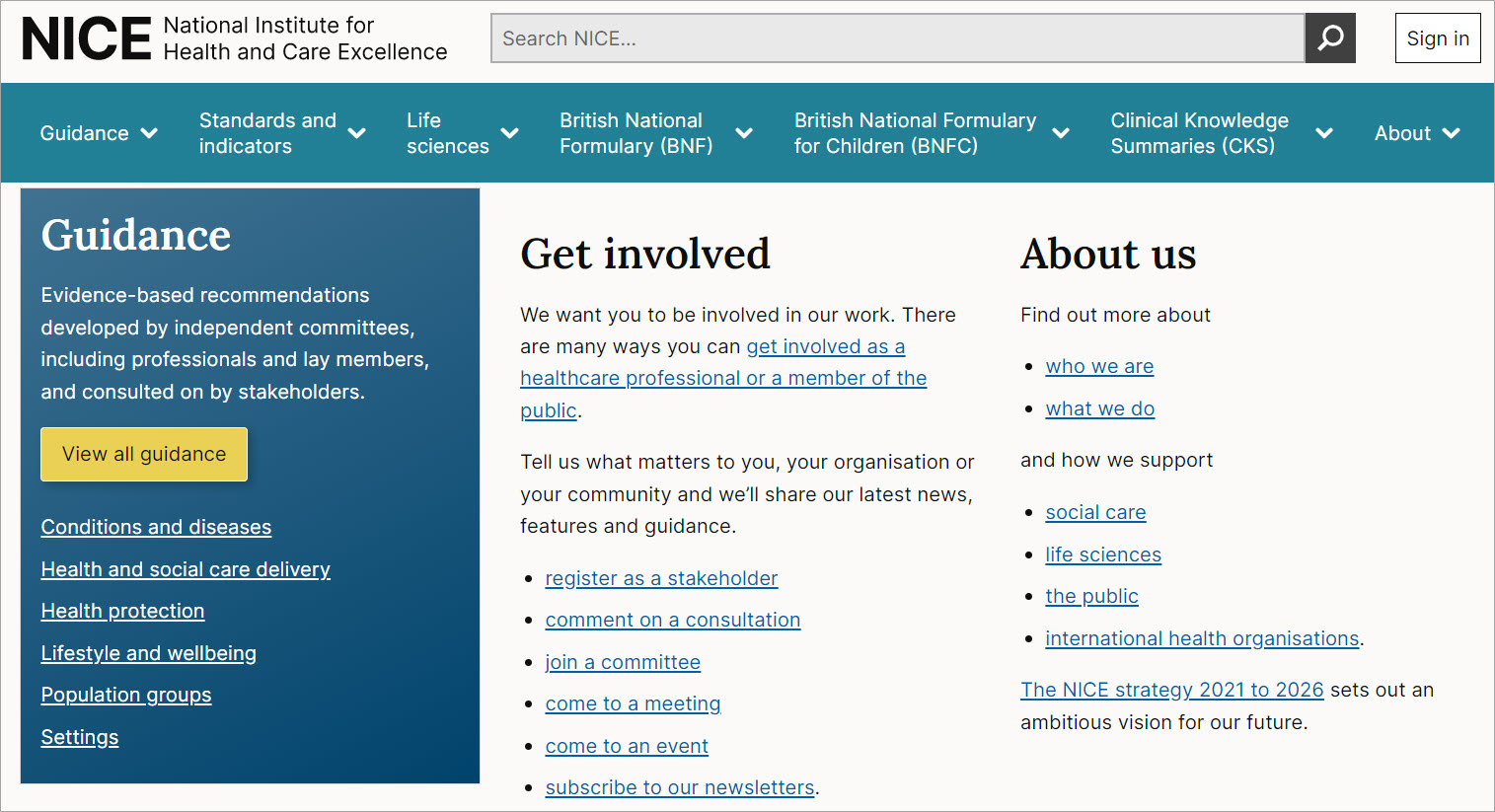
The National Institute for Health and Care Excellence is a great example of medical content that applies the use of technical writing to cater to healthcare professionals, instead of the general public.
When creating content for professionals, it is imperative to pay attention to technical aspects such as punctuation errors, the right medical information, and accurate facts. Medical writing skills to write such type of content demands exceptional grip on having the right knowledge. Only medical writers with proper qualifications can write technical documents with the right medical information.
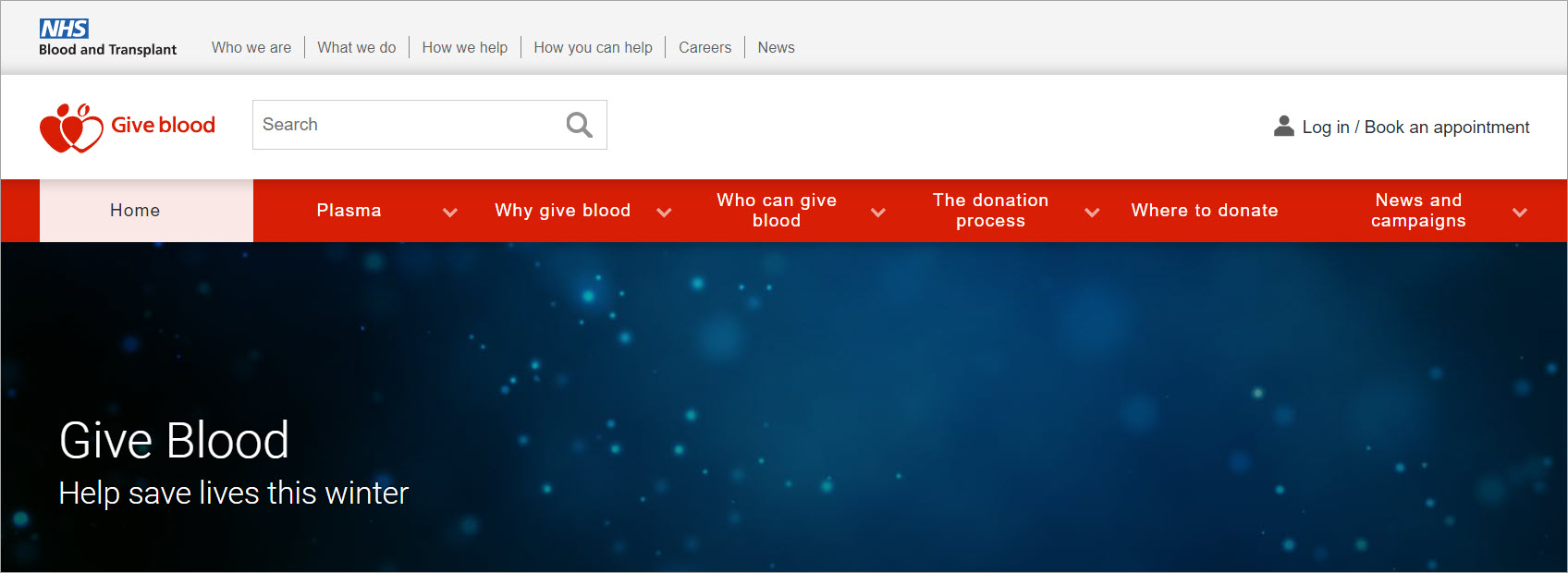
When you visit NHS’s website on blood donation, you will find a copy that speaks to the readers. The use of the color red signifies the importance of web copy. “Give blood. We urgently need you to donate.”
This is an excellent example that signals the reader to take immediate action, as in this case, blood donation. The technique worked, leading to an increase in blood donors as the medical writers kept on writing copy with a clear call to action.
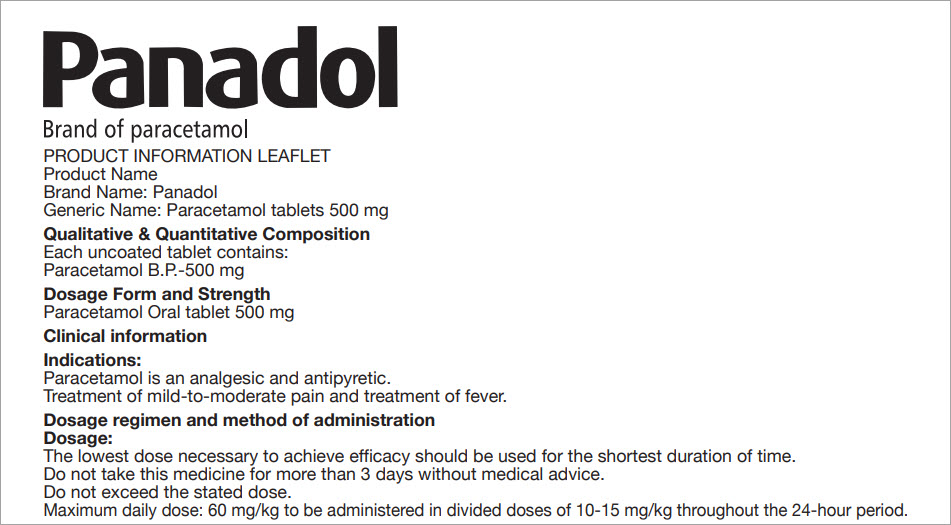
Panadol is an over-the-counter prescription drug to treat headaches and muscle pain. Despite this, Panadol cuts no corners in mentioning complete details in their leaflet.
A patient information leaflet is a common technical document enclosed with a drug every time you purchase it from the medical store. It conveys important information about how to use the drug, the precautionary measures, what the drug does, and side effects if any.
Panadol’s leaflet excels in all areas. Medical communicators often work with senior medical writers and healthcare professionals to go through the research findings of the company and write a leaflet.
In this leaflet, the copy is short, concise, clear, and written in bullet points. It also addresses the most common concerns of any patient.

The Lancet, New England Journey of Medicine, and the Journal of the American Medical Association are some of the top medical journals in the world. Medical journal editors and writers can read these journals to understand the type of medical content that healthcare experts publishing from around the world.
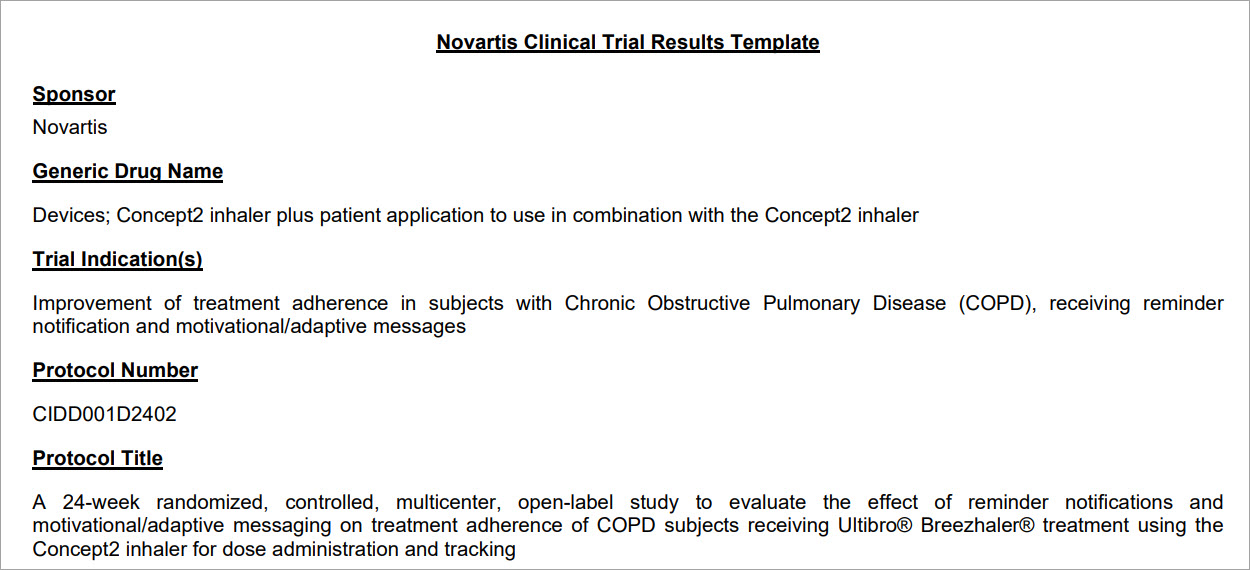
Clinical trials, research reports, and clinical documents require technical writing skills because the target audience is healthcare specialists, students, caregivers, and regulatory agencies.
The Novartis clinical template provides complete details on the type of study, participants, background, purpose, result, and conclusions in a report that is about 25 page-long. Clinical trials require an exceptional understanding of medical terminology and based on the report, highlight everything about the clinical research that Novartis conducted.
This is an amazing example of technical medical writing that aims to target healthcare experts and regulatory agencies. Clinical reports fall under the category of regulatory documents.

Heal is a health startup established in 2020. Due to its pitch deck, it was able to raise $100 million to expand its business operations and provide at-home premium medical services.
The pitch deck has a special emphasis on facts, stats, and numbers, making it appealing to the target audience.
Healthtech startups like Heal often hire medical writers specializing in multimedia presentations, to create pitch decks to help the company in securing funding.
The target audience for pitch decks is corporate investors. That’s why you need to write effective, to-the-point, and concise copy without any jargon or technical terms.
Investors are not medical experts and it is up to the medical writers to use non-techie language that is easy for the target audience to understand.
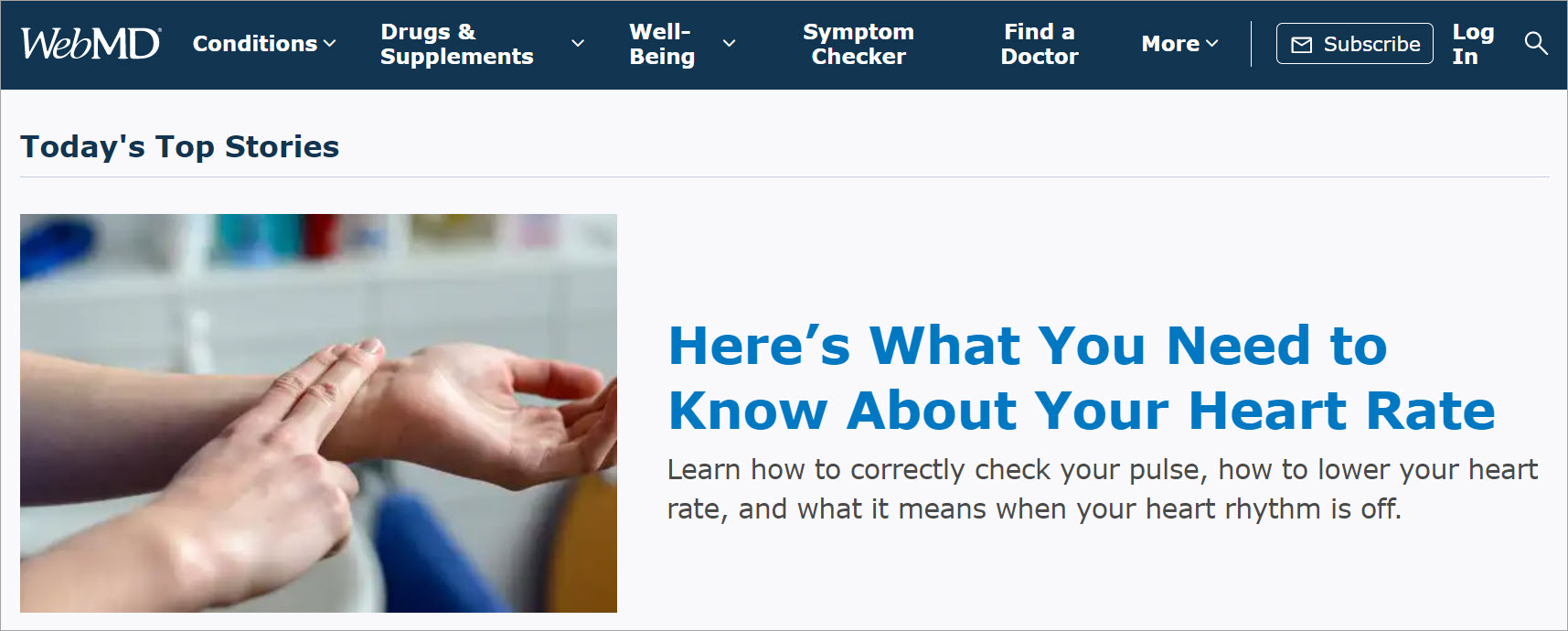
Anyone whose into medical writing must have heard or come across WebMD, which is one of the world’s largest online publications of medical news, human health, life sciences, diseases, and overall wellbeing.
WebMD is a for-profit organization employing expert medical communicators to provide detailed information on topics relevant to health.
The medical news includes concise stories summarizing the latest findings in clinical research. Some stories found on WebMD and similar websites are quite extensive, citing several publications, researchers, and clinical experts. Medical writers also attend conferences and workshops to write on the latest research findings for leading medical news publications.
With ongoing changes in the medical industry, there is a dire need for medical writers. If you’re looking to kickstart your writing career in the field of medicine, then writing for a medical news website is a great way.
Let’s take the example of the web copy for the section “Pregnancy” on WebMd’s official website.
The copy is clear and provides details from getting started with pregnancy to ongoing tests, diet plans, essential vitamins, and other important information.

Physicians and doctors need to keep themselves updated with the changes in their respective fields. This is only possible with CME credits to ensure they can continue practicing in their fields. The CME program helps physicians, clinical experts, and doctors in addressing the gap in their knowledge.
Many times, healthcare experts may not have enough time on them to write literature views, create needs assessments, or develop slide decks covering a particular disease. This is where medical writers can help them in creating content for CME.
Medical writers can enhance their skills by writing for physicians pursuing CME credits. Interested medical writers can also join Alliance for Continuing Education in the Health Professions to learn about CME and connect with professionals.
The examples later in this article matter, but the real win is learning the rules that good examples follow. Below are the guidelines I see consistently in high-quality medical writing, and I’m going to explain them in a way that’s useful for students.
In medical writing, clarity is not a style preference. Clarity is risk management. If a sentence is ambiguous, readers will interpret it in ways you don’t control. That’s how patient information becomes confusing, how clinical communication becomes inconsistent, and how reviewers lose trust.
A simple habit that helps is writing one idea per paragraph and one purpose per section. If the section is “Dosage,” it should not become a dumping ground for warnings, marketing language, and background history.
A medical document that tries to serve everyone usually serves no one. The best samples are ruthless about the audience.
Patient-facing content uses plain English, direct instructions, and an empathetic tone that reduces stress. Clinician-facing content can carry more terminology, but it still needs logical flow and clear structure.
Regulatory writing is a different animal because you’re writing for defensibility and auditability. If you want to explore the role differences, my overview of what a medical writer does explains how responsibilities change depending on the work setting and document type.
Strong medical writing is easy to scan without losing meaning. That’s not accidental. It comes from predictable structure and consistent headings.
When I’m drafting, I think of headings as promises. Each heading should tell the reader what question you’re about to answer, then the section should actually answer it.
Students often underestimate this. They obsess over sentence-level style while their structure is still messy, and the result reads like a pile of facts instead of a coherent document.
Good medical writing requires thorough research, but it’s not about volume. It’s about selecting the right evidence and interpreting it accurately.
That means you need to know what counts as strong evidence for your context. A peer-reviewed medical journal publication might be your core source in one project, while a drug reference guide or product labeling might be the core source in another project.
If you’re interviewing experts, treat expert interviews like structured data collection. Ask for definitions, constraints, assumptions, and what would cause them to doubt an outcome, then reflect that back in the draft with careful phrasing.
Terminology is a tool. Use it when it increases accuracy and reduces ambiguity. The mistake I see in beginner drafts is using terminology to sound credible. That’s backwards. You should use terminology because it is the most precise option for your audience, and then define it when your audience might not know it.
When writing in plain English, you can still be precise. Precision is about exact meaning, not complicated words.
Empathy is not fluff. Empathy is an interface design principle for language. If a patient is anxious, rushed, or in pain, your writing has to be easy to follow on a bad day. That’s why strong patient information uses short paragraphs, direct instructions, and calm, non-judgmental phrasing.
If you want a simple student exercise, take a dense paragraph and rewrite it so a tired reader can understand it in one pass, then check whether you accidentally changed the meaning while simplifying.
Ethical clarity is the difference between accurate communication and subtle spin. It shows up everywhere: in journal writing, in promotional writing, in press releases, and in continuing medical education resources.
A useful standard for students to understand is authorship and disclosure norms. When I’m dealing with publication-style content, I keep the ICMJE Recommendations in mind while drafting, because they reinforce the idea that transparency is part of quality.
In real medical writing work, you rarely ship a draft without medical editors, SMEs, and stakeholders touching it. So writing and editing mechanics matter, but so does review management.
Students can practice this by doing “two-pass editing.” The first pass is structure and logic, and the second pass is sentence clarity, grammar, and consistency. If you reverse the order, you’ll polish paragraphs that later get deleted.
This is the hidden meta-rule. Great medical writing anticipates review. It uses consistent terminology, consistent numbering, and consistent phrasing so reviewers can evaluate content without doing detective work. It also uses careful claims language, which prevents reviewers from arguing over interpretation.
If you internalize only one guideline, make it this one: write so the reviewer can say “yes” without pain. That mindset will help you in medical writing and also in adjacent fields like grant writing and proposal writing, which I cover in my guide on how to write a proposal when you want practice with persuasive structure under constraints.
To learn more about medical writing, we suggest checking out our Medical Writing Certification Course.

If you’re a student, you usually can’t share client work. That’s normal.
What you can do is build a portfolio using original spec samples. Pick one lane and produce three samples that look like real deliverables, using public information and clearly labeling the work as practice.
Then revise them the way a professional would. Track edits, tighten structure, check terminology consistency, and make sure every claim can be defended.
If you want a structured path for building job-ready proof, my guide on how to become a medical writer without experience lays out a practical sequence, and it’s the same sequence I’d recommend to a student who wants to get hired faster.
Most people don’t get better at medical writing because they read more advice. They get better because they study good examples, practice with constraints, and build feedback loops until clarity becomes automatic.
If you do that, you’ll build a skill that stays valuable for years, and you’ll have options across regulatory writing, publications, education, medical marketing, and medical technical writing.
Studying real-world examples is one of the fastest ways to improve your medical writing skills. By focusing on structure, clarity, and audience adaptation, you can train your instincts and build a portfolio that reflects professional standards. Whether you’re practicing regulatory writing, patient education, or publications, the key is to analyze strong samples, apply their patterns, and refine your work through feedback.
Medical writing is not just about producing content; it’s about creating documents that are clear, accurate, and actionable for specific audiences. Use the formats and exercises shared in this guide to sharpen your skills and develop the confidence to create writing that stands up to real-world scrutiny. With consistent practice and a focus on quality, you’ll build a foundation for success in this high-impact field.
Here I answer the most frequently asked questions about medical writing.
Medical writing is the work of translating medical or scientific information into clear content for a specific audience. The audience might be regulators, clinicians, patients, or internal teams, and the format changes depending on who needs to use the information.
Students can study public materials like drug labels, patient education handouts, and journal abstracts. The best approach is to choose one format, collect a small set of samples, and analyze them deeply instead of skimming hundreds of random documents.
Specializing early usually helps because it makes your portfolio and job applications clearer. You can expand later, but picking a lane first helps you build depth, confidence, and better samples faster.
You should not copy real materials and claim them as your own. A better approach is creating original spec samples inspired by real formats, then labeling them clearly as practice work.
Good medical writing is readable and defensible. It has clear structure, accurate interpretation of evidence, consistent terminology, and claims that match what the data supports.
Pick one format, practice weekly, and get feedback from someone who will critique clarity and structure, not just grammar. Revision is where your skill compounds, so treat edits as training, not as criticism.
Get the weekly newsletter keeping 23,000+ technical writers in the loop.
Learn medical writing and advance your career.
Please check your email for a confirmation message shortly.





















Get our #1 industry rated weekly technical writing reads newsletter.
Your syllabus has been sent to your email