Our reviewers evaluate career opinion pieces independently. Learn how we stay transparent, our methodology, and tell us about anything we missed.

Our reviewers evaluate career opinion pieces independently. Learn how we stay transparent, our methodology, and tell us about anything we missed.
From my experience, internships are one of the fastest ways to get “real” technical writing experience without needing a perfect resume. You get feedback, you get reps, and you get something you can point to later in interviews.
If you want a broader overview of the field first, skim what a technical writer does and come back here when you’re ready to zoom into internships.
A technical writer internship is usually a short-term role where you help create, edit, and maintain documentation under the guidance of a more experienced writer, a doc manager, or occasionally an engineering team that needs help.
It can be in software, hardware, healthcare, finance, manufacturing, or basically any industry where people need instructions and clarity.
The biggest difference between “intern writing” and “student writing” is simple: you’re writing for real users with real consequences. That’s where the learning happens.
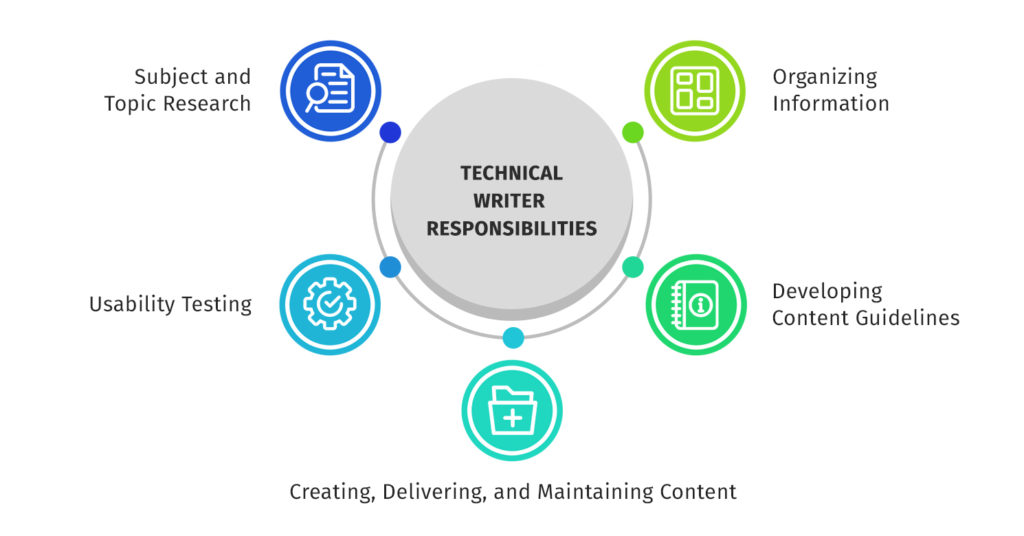
This role looks different depending on the company, but the day-to-day falls into a few common buckets.
You might write or update user guides, product guides, online help files, knowledge base articles, or internal documentation. A lot of intern work is “upgrading the thing that already exists.” That’s not glamorous, but it’s incredibly valuable. Learning how to improve unclear docs is how you build good instincts fast.
Interns often help with editing and proofreading, especially when teams are shipping quickly. You’ll fix inconsistent terminology, tighten sentence structure, and make content more scannable. If you’ve never used a style guide before, you will now.
You’ll work with subject matter experts (SMEs) to gather details, validate steps, and confirm technical concepts. SMEs might be engineers, product managers, or other specialists.
Asking clear and focused questions is key here. You’ll often clarify edge cases, prerequisites, or common user mistakes, ensuring the documentation is complete and accurate. Over time, this experience sharpens your ability to translate technical details into user-friendly content.
Some internships include usability tests or user feedback work, especially in software teams. You’ll observe where users get stuck or what information they couldn’t find easily.
Based on this feedback, you might rewrite unclear sections or suggest resources to address user pain points. This hands-on experience helps you understand how docs impact user experience and product success.
Here are projects I see interns working on most often, and they’re all portfolio-friendly.
This includes materials like setup guides, onboarding tutorials, troubleshooting content, and “how-to” workflows. These documents help users complete tasks or resolve issues quickly, making them a vital part of the user experience.
For interns, working on these documents is a great way to practice structuring content and improving clarity. If you want to prepare ahead of time, follow the structure outlined in how to write software documentation and treat it like a mini project.
Interns often create training materials such as onboarding documents, training manuals, or short enablement content for employees. These are common in enterprise settings where internal communication is key to productivity.
Contributing to training materials helps you develop skills in simplifying processes and writing for internal audiences, which is a valuable area of expertise for technical writers.
Not every intern works on API documentation, but when you do, it can boost your resume. Tasks might include improving endpoint descriptions, cleaning up code examples, or writing basic authentication guides. Even small contributions here show your ability to handle technical concepts and write for developers.
If this interests you, explore what an API Technical Writer does for a closer look at the types of API documentation you might work on.
You don’t need to check every box to get hired as an intern. You do need to show you can learn quickly and write clearly.
This is the minimum bar: clear grammar, clean sentence structure, and a willingness to revise. Writing for technical audiences requires more than just good grammar, it’s about making content scannable and actionable.
The ability to take feedback without getting defensive is a key part of this skill. During your internship, you’ll likely go through multiple review cycles, refining your work based on feedback from experienced writers or SMEs. Treat every revision as a chance to improve your instincts.
Interns are often expected to work in common tools, depending on the team:
You don’t have to be an expert in these tools on day one, but you should be ready to learn them quickly. Adapting to new tools is a common part of any technical writing role.
You don’t need deep subject matter expertise on day one, but you do need curiosity. The best interns take ownership of clarity by asking thoughtful questions and digging into the “why” behind processes.
For example, if a step in a guide seems unclear, you might ask: “What happens if this step is skipped?” or “Is this workflow common across all users, or just a subset?” This curiosity helps you uncover gaps in the documentation and ensures it aligns with real-world use cases.
If you have them, great. If not, don’t panic.
This is the part most people overcomplicate. You don’t need a perfect background. You need proof you can write and revise.
If you don’t have internship experience yet, you can still build writing samples. The easiest path is to create mock documentation for a simple tool or process, or contribute docs to an open-source project. Then you package it as a mini portfolio.
If you need examples of what a strong portfolio looks like, you’ll get a ton of ideas from technical writing portfolio examples.
Even if your background is business writing, content writing, or communications, you can position it as technical communication.
Use language like: clarified instructions, created templates, edited for consistency, collaborated with stakeholders. That reads like technical writing.
Some companies include a small writing test or editing exercise. A good way to prepare is to rehearse explaining your choices out loud. Why did you change the order? Why did you rewrite that step? That’s what interviewers want to hear.
If you want a feel for the kinds of questions you might get, prep with technical writer interview questions.
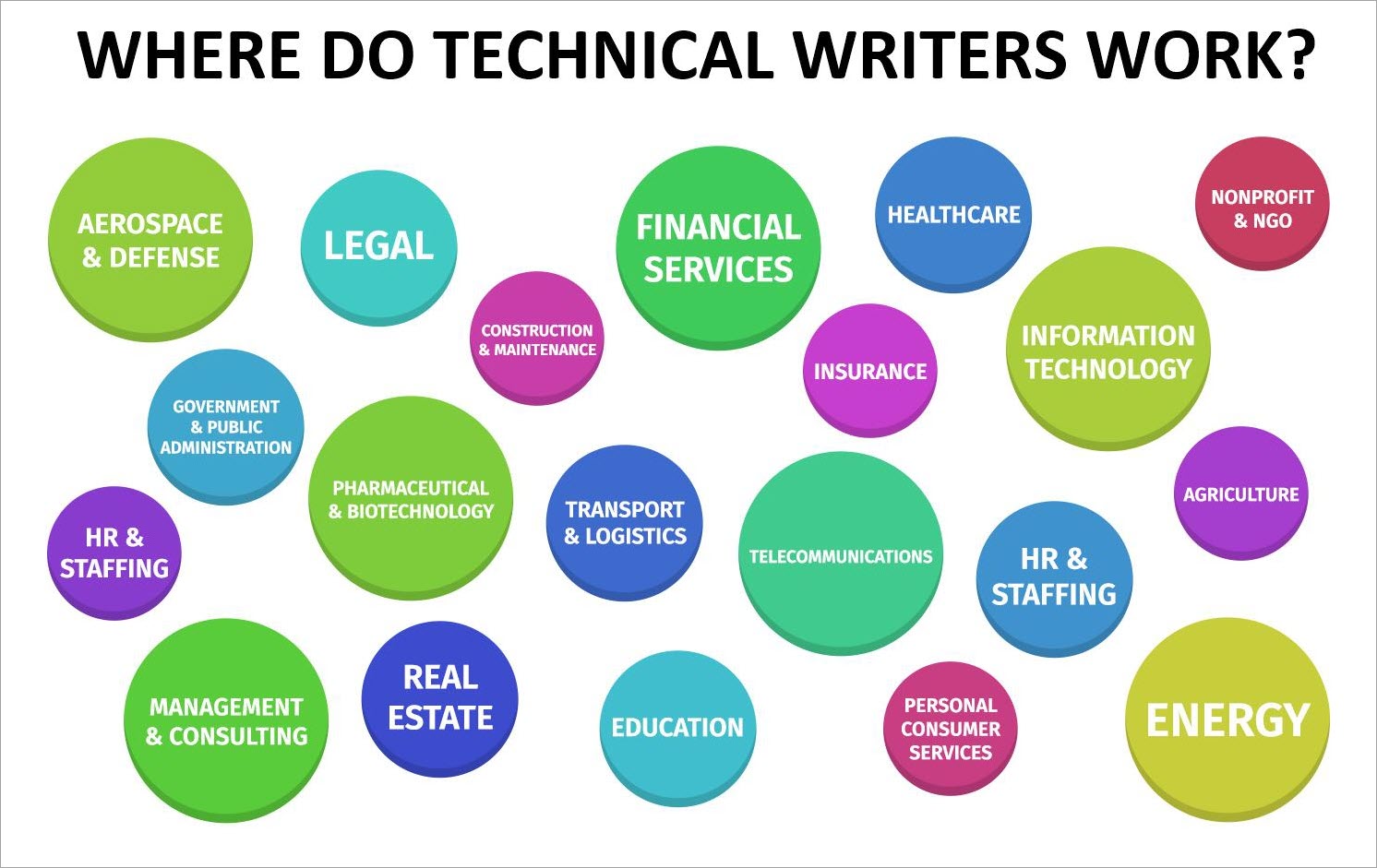
You’ll see internships across industries, but software development teams and large companies tend to have more structured intern programs.
If you’re early-career and want the simplest entry point, look for roles labeled “technical writing intern,” “documentation intern,” or “technical communications intern.”
Internship pay varies a lot based on location, industry, and scope. Some internships are hourly, some are salaried, and some are unpaid (usually tied to course credit).
For a real-world benchmark, Glassdoor’s U.S. estimate for a Technical Writer Intern (as of January 2026) shows an average around $77,102 per year with a typical range from $59,647 to $100,644.
If you’re looking at hourly rates, ZipRecruiter’s listing data shows a median hourly wage around $36.33/hour, with the 25th percentile at $29.11/hour and the 75th percentile at $45.38/hour.
One quick reality check: if the internship includes serious ownership (shipping docs that go live, managing reviews, improving templates), you should expect compensation closer to the higher end.
This is the part I love about internships. The payoff is bigger than the paycheck.
You learn how docs actually move through review cycles. You learn how to work with engineers and SMEs. And you learn what “done” really means.
Your internship can produce writing samples that are far more convincing than mock work. Even if the company can’t share everything publicly, you can often show redacted samples or write a case-study style summary.
Internships are networking without being awkward about it. You meet people who can refer you, mentor you, and help you understand which teams treat documentation seriously.
Many interns convert into entry-level technical writing positions, or they use the internship to land a full-time technical writing position somewhere else.
If you want a longer-term view of where this goes, you’ll like the technical writer career path because it lays out the usual steps and what changes at each level.
A technical writer internship is one of the cleanest ways to break into the field because it gives you two things hiring managers care about: real feedback and real samples.
If you’re on the fence, my advice is simple. Pick one doc project you can publish (even if it’s small), build a tiny portfolio, and apply. You don’t need permission to start.
Here I answer the most frequently asked questions about the technical writer intern role.
A technical writer intern helps create, edit, and update documentation like user guides, how-to guides, knowledge base articles, and sometimes API documentation. They also collaborate with subject matter experts and participate in reviews.
Not always. A small portfolio with 1 to 3 strong samples can be enough, especially if you show you can take feedback and revise.
A short tutorial, a troubleshooting guide, or a rewritten README are great starters. You can model your structure after these portfolio examples.
Glassdoor’s U.S. estimate (January 2026) shows an average around $77K per year for Technical Writer Intern roles, and ZipRecruiter job listing data shows a median hourly wage around $36/hour.
Yes. Internships often help you qualify for entry-level roles faster, and some interns convert directly into full-time positions depending on company needs and performance.
Learn technical writing and advance your career.
Your syllabus has been sent to your email