
Our reviewers evaluate career opinion pieces independently. Learn how we stay transparent, our methodology, and tell us about anything we missed.

Our reviewers evaluate career opinion pieces independently. Learn how we stay transparent, our methodology, and tell us about anything we missed.
When people tell me they want to become a freelance technical writer, they usually mean, “I want flexibility, remote work, and better pay.” That’s fair. Freelancing can give you a flexible schedule and location independence.
But here’s the part most people don’t realize until they’re in it: freelancing rewards writers who think like operators. The writing matters, but time and project management matters just as much. Same with negotiation, scope control, and client selection.
In this guide, I’ll walk you through how I’d get started, where to find work, what skills move the needle, how to price projects, and how to build a portfolio and personal brand that attracts clients instead of chasing them.
If I were starting from scratch today, I’d treat freelance technical writing like a transition, not a leap. The goal is to reduce risk while you build proof.
First, pick an area of expertise that you can speak about confidently. That does not mean you need to be the world’s top expert. It means you can understand the domain well enough to write clearly for technical and non-technical audiences. The fastest way to lose momentum as a new freelancer is trying to document a space where every sentence requires hours of research just to avoid industry jargon mistakes.
Next, choose a writing niche that matches real demand. “Technical writing” is broad. You can write instruction manuals, product help docs, software documentation, onboarding guides, internal SOPs, technical articles, or even white papers. Each one has different buyers and different expectations.
If you want a baseline of what the work looks like across teams, read what a technical writer does first, then decide which deliverables you want to produce.
After that, build a simple startup kit before you pitch anyone: a one-page portfolio, a basic freelance contract template, and a simple client intake form.
This is where most new freelancers struggle.
They start selling before they’ve defined what they sell. Your package does not need to be fancy. It needs to be clear: what you deliver, how long it takes, how many revisions are included, and what you need from the client to succeed.
Finally, set realistic goals for the first 60 days. One client is a win. Two clients are traction. A repeat client is proof you’re doing it right.
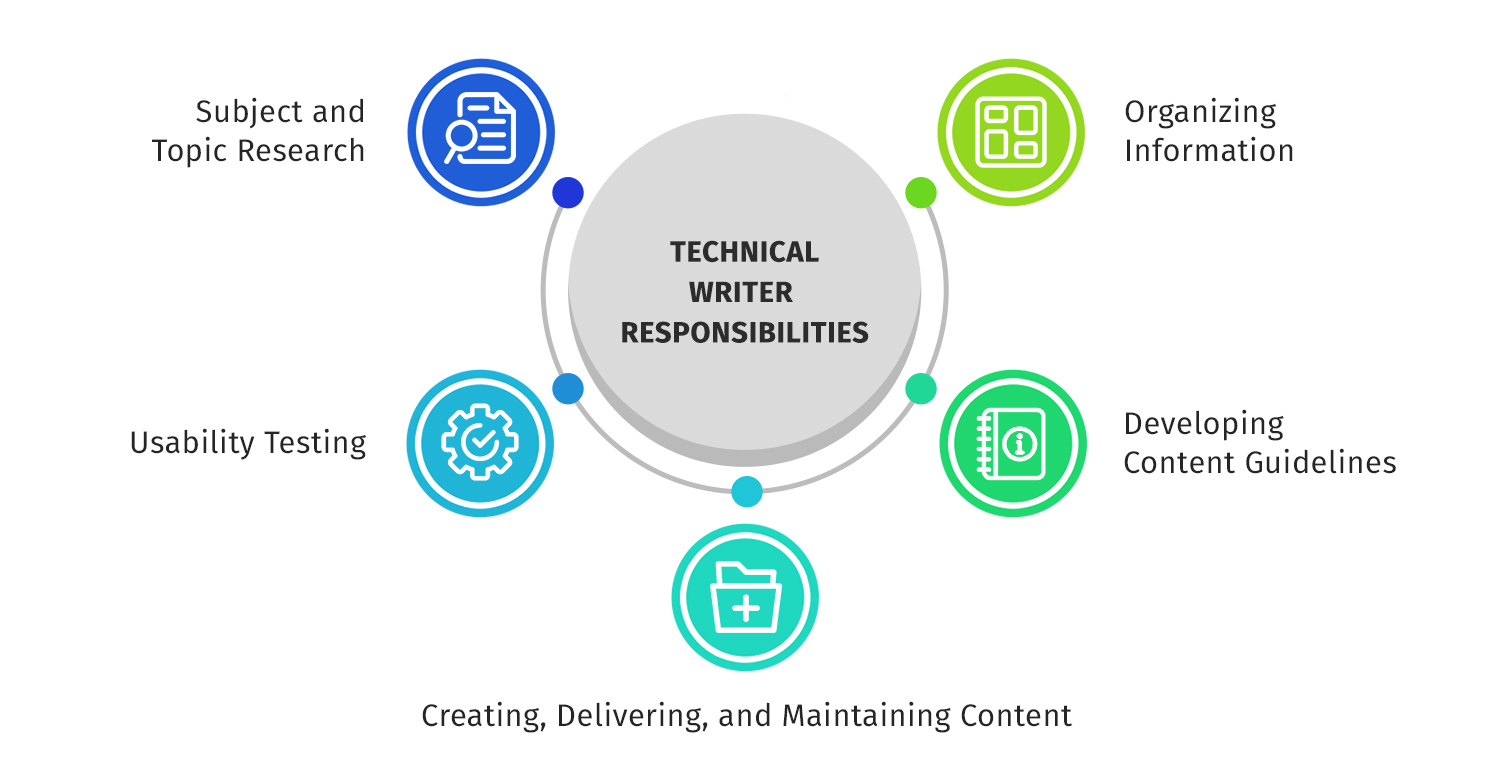
Freelance clients rarely pay for “good writing.” They pay for outcomes: fewer support tickets, faster onboarding, cleaner product documentation, and documentation that stays accurate.
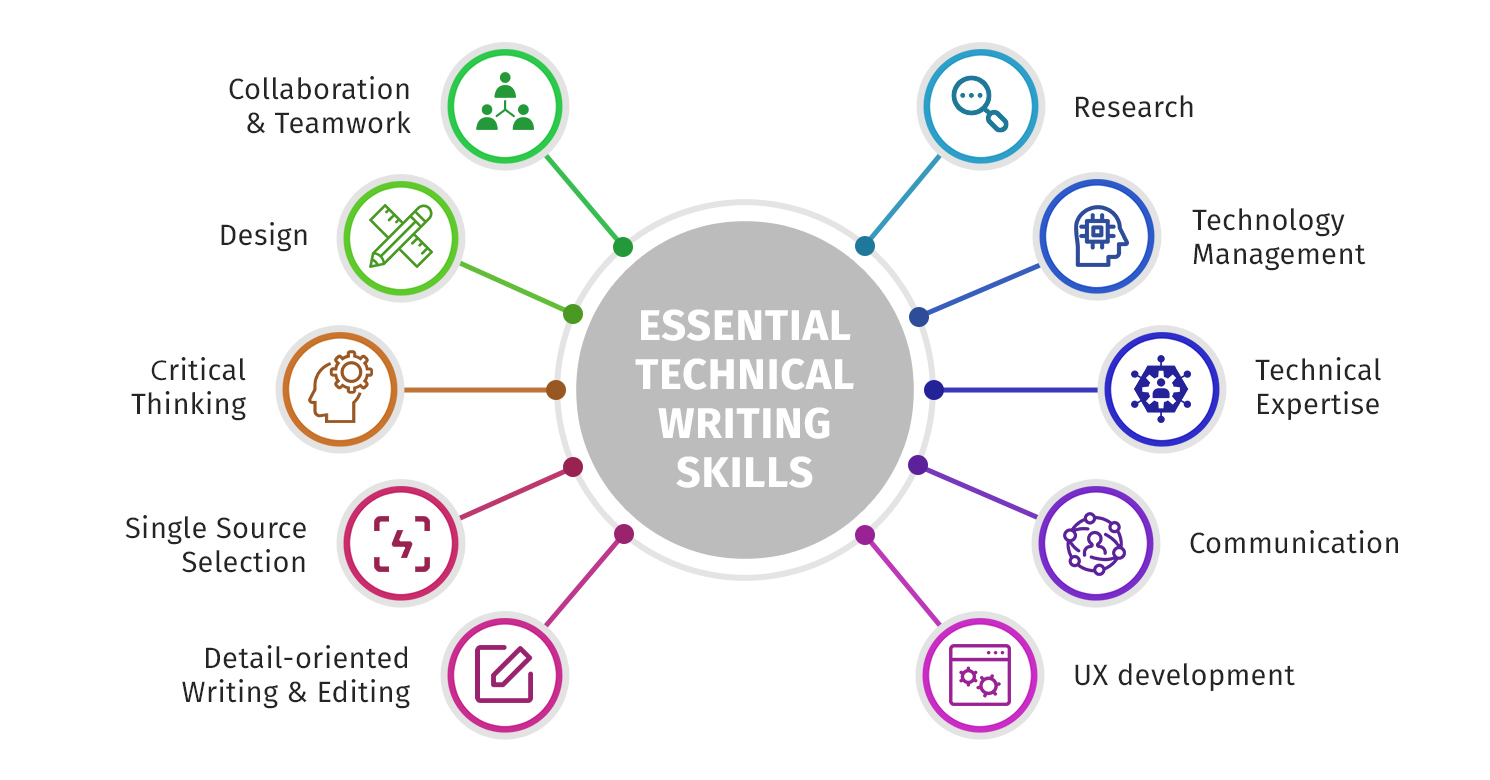
Here’s a general overview of skills that enable you to deliver that:
You need to get comfortable finding answers without waiting for the perfect direction. That includes reading product specs, testing workflows, scanning tickets, and asking targeted questions that save everyone time.
When a client sees that you can reduce ambiguity, you become worth re-hiring.
Most client documentation is not born clean. It comes from multiple contributors, inconsistent grammar and punctuation rules, and different writing styles.
Your job is to turn that into a single, clear voice with consistent terminology. Editing is one of the easiest ways to look senior fast, even early in your freelance career.
Freelancers spend a surprising amount of time clarifying requirements, confirming assumptions, and negotiating scope. Being a strong communicator protects your time and prevents rework.
You do not need every tool, but clients love writers who can plug into their workflow. That often includes Markdown, GitHub, Confluence, and Notion, plus basic project management tools.
If you want a structured skill checklist, use these technical writing skills as your benchmark and focus on building proof in one or two categories at a time.
Finally, certification in technical writing can help, but only if it leads to real writing samples and practical workflows. Clients hire results, not certificates. If a course helps you ship a better portfolio, it’s useful. If it just gives you a badge, it’s not enough.
One reason freelance technical writing is such a strong career is that it spans a variety of industries, and you can choose the kind of work that suits your strengths and interests.
Here are common types of technical writing opportunities:
If you’re choosing a lane, pick one that matches your strengths and your tolerance for ambiguity. Software docs can be higher-paying but faster-moving. Manuals and training can be steadier but more process-heavy. Internal documentation can be a goldmine if you’re good at making messy processes usable.
Let’s talk about the part people care about.
The benefits are real. A flexible schedule is possible once you have consistent clients. Location independence is common because so much work is remote-friendly. You can work across a variety of projects, which keeps your skills sharp and your portfolio diverse. There is also higher salary potential compared to many in-house writing roles, especially when you specialize and price projects correctly.
But there are challenges that hit almost every freelancer in the first year:
My honest take is this: freelancing is worth it when you build systems that protect your time. If you want to get there faster, treat your freelance setup like a product. Iterate it, improve it, and make it easier to run every month.
If you want freelance work, you need a repeatable way to find it. I like to think of lead sources in three buckets: warm network, targeted outreach, and marketplaces.
Regardless of channel, get your basics in place. Use a freelance contract template, and be ready to sign a non-disclosure agreement when needed. If a client won’t put terms in writing, that’s a red flag.
If you want to build a more stable pipeline long-term, prioritize repeatable clients. One client who needs documentation every month is better than five clients who show up once a year.
This is the part I’d obsess over early because it makes everything else easier. A writing portfolio is proof. A personal brand is positioning. You need both.
That’s also why we provide extensive resume and portfolio feedback to our course students.
For portfolio building, I like an online portfolio with 3 to 5 strong writing samples:
If you want to stand out, include contributions to open-source software documentation. Open-source is great because it’s public proof and it shows you can work in real documentation workflows.
Your portfolio website does not need to be fancy. It needs to be scannable and credible. Clear titles, short context for each sample, and a way to contact you.
If you want examples of what works, use these technical writer portfolio examples as a reference.
For personal brand, start simple. Pick a niche. Then talk about that niche consistently. Share short insights, explain what you’ve learned, and show your process. Self-promotion is easier when you treat it like documentation: small, clear, useful posts that help your audience. Guest posting can help too, but only if you’re posting where your target clients pay attention.
Finally, make client onboarding forms part of your brand. When you show up with a clean intake process, clients assume you’re professional. That perception is worth money.
Pricing is where freelance technical writing becomes a business instead of a hobby.
The first decision is how you price: hourly rates or project-based pay. Hourly is easy to start with, but it can cap your upside because you get punished for becoming more efficient. Project-based pay rewards expertise, but only if you scope well.
When I scope, I define the content type, the deliverables, and what’s included. I also define review rounds, what “revisions” mean, and what happens if scope changes. This is the difference between a good month and a month where you worked for free.
I also like to build a simple payment rhythm: deposit up front for new clients, clear payment terms, and invoicing that is boring and consistent.
Invoicing tools like FreshBooks and QuickBooks Self-Employed exist for a reason. You want your invoices, reminders, and records to run without you thinking about them.
Then there’s freelance taxes. This is where new freelancers get surprised. Set aside money early, track expenses, and do not wait until the last minute to understand what you owe. If you’re not comfortable with it, hire help. It’s cheaper than stress.
Rate transparency is improving in the industry, but rates still vary by industry and level of expertise. My advice is to price based on value and risk. A quick internal SOP is one scope. A technical manual that will be used by customers and updated for years is a different scope. Your pricing should reflect that difference.
Freelance technical writers who succeed long-term are the ones who keep learning and continually refine their positioning. Here’s how to stay competitive and grow your career:
If you want a clear map of how writers progress, read the technical writer career path and apply the same leveling mindset to freelancing.
Freelance technical writing is a great career if you want flexibility and control, but it only feels “free” once you build structure.
If I were starting today, I’d pick a niche, build a tight portfolio, and start with a small number of well-scoped projects. I’d focus on being reliable, because reliability gets you referrals. Then I’d build simple systems: onboarding, contracts, invoicing, and a process for managing deadlines across multiple clients.
That’s how you turn freelance technical writing from “random gigs” into a business you can actually count on.
Here are the most frequently asked questions about the freelance technical writer position:
Start by building a small portfolio and contributing to real documentation. Open-source software documentation is a great option because it’s public proof. You can also document internal processes at your current job. If you need a roadmap, how to become a technical writer without experience lays out practical steps.
Include 3 to 5 writing samples that show range: a how-to guide, a troubleshooting doc, a conceptual overview, and at least one editing-heavy rewrite. Keep it scannable and add short context for each piece. For examples, see technical writer portfolio examples.
Most find clients through LinkedIn, referrals, direct outreach to target clients, and job boards. Marketplaces like Upwork can help early on, but long-term stability usually comes from repeat clients and referrals.
Common pricing models include hourly rates and project-based fees. Project fees work well when scope is defined clearly, including deliverables and revision rounds. Pricing should reflect content type, complexity, urgency, and the level of coordination required.
Many use Markdown, GitHub, Confluence, and Notion, plus project management tools and an invoicing system. The exact stack depends on the client, but being comfortable learning tools quickly is a major advantage.
Scope creep, inconsistent income, managing multiple clients, and deadlines are the biggest. The solution is a solid process: clear contracts, defined project timelines, predictable invoicing, and consistent marketing so your pipeline stays healthy.
If you are new to technical writing and are looking to break into the industry, we recommend taking our Technical Writing Certification Course, where you will learn the fundamentals of writing and managing technical documentation.
Learn technical writing and advance your career.
Your syllabus has been sent to your email