Our reviewers evaluate career opinion pieces independently. Learn how we stay transparent, our methodology, and tell us about anything we missed.

Our reviewers evaluate career opinion pieces independently. Learn how we stay transparent, our methodology, and tell us about anything we missed.
A technical writer’s job is to help users succeed and help teams move faster with better clarity.
That sounds simple, but in practice, they do two things at once: translating technical information into helpful documentation and building a system so documentation doesn’t fall apart the second the product changes.
If you want the short version of the role before writing a post, start with what a technical writer does, then return here to turn it into a clean job description.
I also have a video on the topic that you can check if you prefer the video format.
Most technical writer responsibilities fall into a few predictable categories, even if the company refers to them by different names.
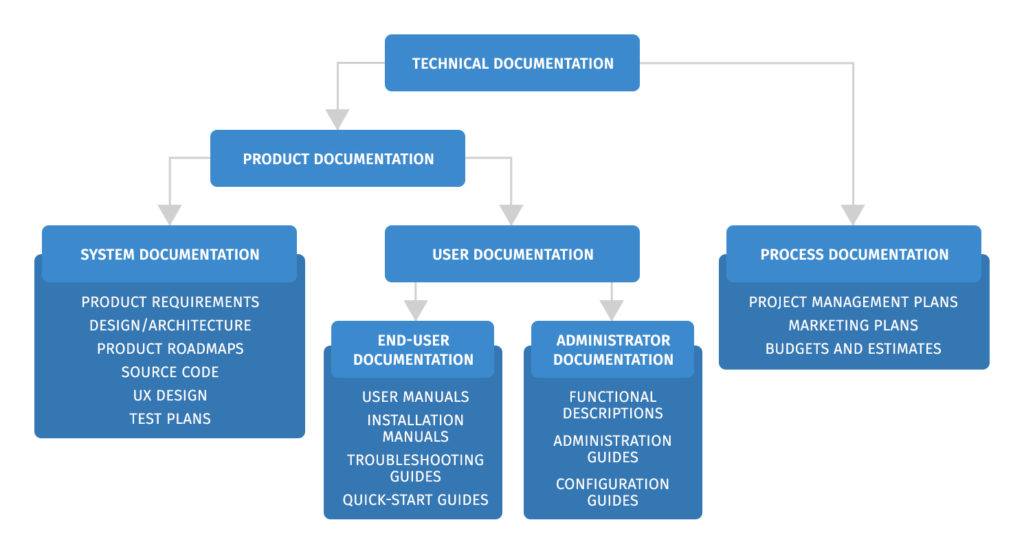
It starts with planning and creating technical documentation (how-to guides, user manuals, product manuals, FAQs, knowledge base articles), collaborating with subject-matter experts, developers, engineers, product managers, support, and stakeholders to gather accurate information, editing and proofreading drafts for clarity, consistency, and correctness, and maintaining documentation repositories. Hence, the content stays up-to-date after releases.
In addition, writers in developed teams own information architecture templates, build a consistent document structure, and create centralized storage for reusable content, removing the need to rewrite the same explanation elsewhere.
Many job descriptions fail here. They post a generic list and then wonder why they attract unsuitable candidates. Here is how to outline the scope to clarify expectations:
In general, an entry-level writer focuses on execution and learning the documentation workflow.
They write and update knowledge base articles, basic how-to guides, and simple user-facing documents, work together with SMEs, and follow established style and terminology standards. Their other duties involve learning the document development lifecycle (DDLC), how reviews work, and how to incorporate feedback while maintaining accuracy.
This stage focuses on “documentation hygiene” work to a good extent: fixing inconsistencies, updating screenshots, improving readability, and cleaning up documentation repositories to ensure organizational efficiency and security.
Mid-level writers are paid for ownership.
They can take a documentation project end-to-end: define scope, propose structure, gather information, draft, run reviews, publish, and maintain. They can manage peer reviews, handle conflicting feedback, and keep stakeholders aligned without turning the process into chaos.
They often contribute to information architecture, push for better templates, create process documentation, and build documentation that supports product launches (release notes, onboarding guides, feature documents). In software organizations, this is also where writers become familiar with the systems development lifecycle (SDLC) and product development software (Jira, Git workflows, CMS publishing).
Senior writers do not just write – they shape the entire system.
They define documentation standards, improve document change control, create reusable frameworks (topic-based authoring, modular content), mentor junior staff, and influence cross-functional planning. They’re also the people teams depend on when accuracy is high stakes or a release is chaotic.
If you’re hiring in a regulated environment, senior writers often own controlled documentation and support compliance-heavy workflows, which include participating in quality investigations/CAPA documentation updates, maintaining SOP sets, and ensuring controlled documents follow the right approval and change control processes.
Remote work changes the job less than many think, but it does shift how communication happens.
A remote technical writer needs strong asynchronous habits: crisp questions for SMEs, clean documentation in the ticketing system, clear progress reporting, and disciplined review cycles. The work itself is the same, user manuals, how-to guides, and technical documentation, but collaboration tools and communication become a bigger part of everyday success.
If you’re interested in landing your dream technical writing job, check out our Technical Writing Certification Course.
Here are a few templates to use in technical writer job descriptions:
What you’ll do: As a software/SaaS technical writer, you’ll create and maintain online documentation for a web-based product, including how-to guides, feature documents, release notes, and knowledge base articles. You’ll work with developers, engineers, product managers, and support to document features with accuracy and keep content aligned with the product.
What success looks like: Users can complete key tasks with fewer support tickets, documentation stays current through releases, and the document experience is consistent and easy to navigate.
Common deliverables: user assistance content, API or integration documents (when applicable), tutorials, FAQs, internal process documentation, and diagrams or screenshots that clarify workflows.
What you’ll do: As a medical device technical writer, you’ll create and maintain controlled documentation, such as SOPs, process documentation, training materials, and product documentation tied to compliance requirements. Also, you’ll support change control updates, participate in documentation updates tied to quality investigations/CAPA, and ensure the document lifecycle (draft → review → approval → release) is followed.
What success looks like: Documentation is audit-ready, with correct versions, easy to retrieve, and always written using approved style and terminology standards.
Common deliverables: SOPs, controlled forms, procedure manuals, training documents, product manuals, and centralized storage of approved documentation assets.
What you’ll do: As a hardware technical writer, you’ll create user manuals, product manuals, quick-start guides, and troubleshooting documentation for physical products. You’ll collaborate with engineers and product teams to understand product behavior, edge cases, and safety requirements, then turn that into helpful documentation.
What success looks like: Customers can set up and use the product without confusion, troubleshooting content reduces returns/support load, and documentation is consistent across product lines.
To keep your job posting honest, required qualifications should match what the job in reality needs on day one.
Most teams require strong writing and editing skills, the ability to work with subject-matter experts, and the ability to simplify complex topics for technical and non-technical audiences. If the role includes tooling, call it out in a clear manner: content management systems, documentation publishing tools, and version control systems.
For more technical roles, it’s reasonable to require comfort with basic coding and scripting languages (or at least the ability to read structured content), and familiarity with software development workflows. For design-heavy documentation teams, requirements might include graphic design basics, Adobe InDesign, or experience creating diagrams and visuals that support understanding.
Preferred qualifications are where you can signal the “nice to have” strengths without scaring away good candidates.
This is the place to mention experience in an agile environment, docs-as-code workflows, HTML/CSS familiarity, XML tools, writing online help systems, or experience documenting cloud security, network security, and other technical domains.
If your team uses a specific tool (ClickHelp, MadCap Flare, Confluence, WordPress, FrameMaker), list it here. However, it is still better that strong candidates can learn new tools without delay if the basic workflow is clear.
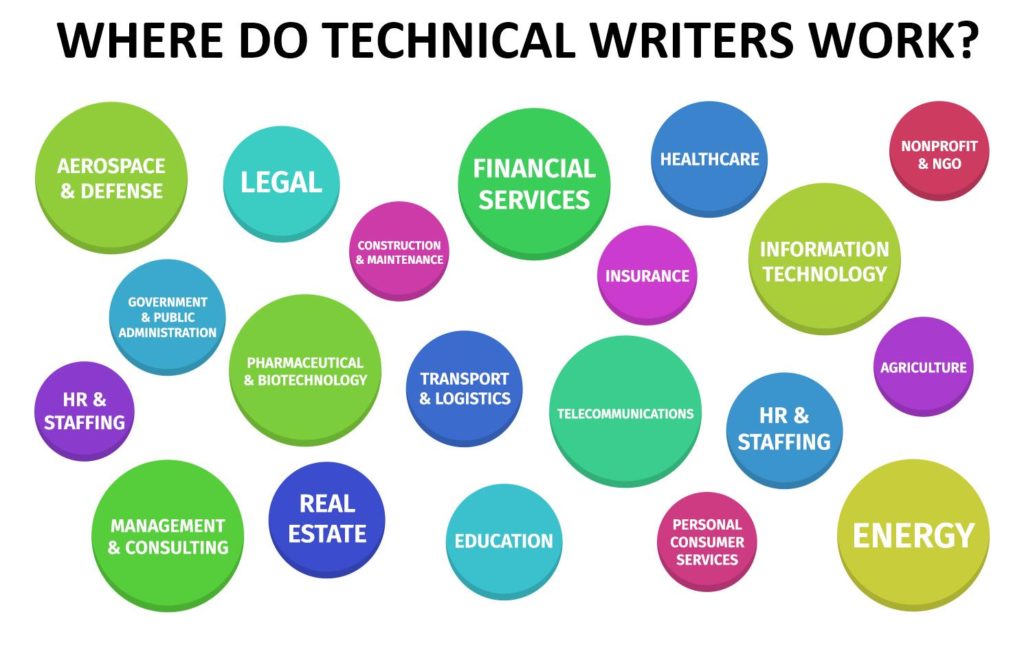
Most technical writer job posts list a Bachelor’s degree. Common backgrounds include English, communications, journalism, marketing, public relations, computer science, engineering, or other scientific subjects.
In practice, the degree matters less than the proof of skill. If you want better applicants, ask for a portfolio of technical writing samples and specify the documentation types you need (user manuals, process documentation, SOPs, API documentation, knowledge base articles).
If you want candidates who are plugged into the profession, you can also mention professional development through groups like the Society for Technical Communication or similar professional organizations.
This is where you can prevent mismatches.
For entry-level roles, you can ask for writing samples, basic documentation experience, and exposure to content for non-technical users. For mid-level roles, ask for ownership of projects, experience managing reviews, and comfort working inside product development software and SDLC rhythms. For senior roles, ask for documentation strategy, information architecture, mentorship, and (if relevant) regulated documentation experience, such as controlled documentation and change control.
If you want a clean way to align experience with hiring signals, pairing this article with technical writer interview questions helps you screen for the behaviors that matter on the job in reality.
Salary varies a lot by industry, location, and level, so it is better to show candidates multiple reputable sources rather than pretending there’s one “correct” number. Share a salary range in the posting to improve applicant quality.
For a government baseline, the U.S. Bureau of Labor Statistics technical writers page reports a median annual wage of $91,670 (May 2024) and projects about 4,500 openings per year on average (2024–2034).
From salary sites updated in 2026, here are different benchmarks depending on methodology:
If you prefer snapshots (common for contract roles) every hour, both Indeed’s technical writer salary page ($38.31/hr) and ZipRecruiter’s technical writer salary page ($38.94/hr) land in a similar band, almost $80K/year if you annualize full-time hours.
Here I answer the most frequently asked questions about technical writer’s job descriptions.
A technical writer creates easy-to-understand documentation for complex products and processes, including user manuals, product manuals, how-to guides, FAQs, process documentation, and knowledge base articles, by collaborating with subject-matter experts in most cases to ensure technical accuracy and clarity.
A technical writer’s job description includes what the writer will produce, who they’ll collaborate with (SMEs, engineers, product managers, stakeholders), what tools they’ll use (CMS, version control, authoring tools), what “done” looks like (quality standards, review expectations), and what level of ownership the role carries (entry vs mid vs senior).
Many roles list one, often in English, communications, journalism, engineering, or computer science. But a strong portfolio and relevant experience can matter more than major software roles in particular, where proof of documentation skill is easier to evaluate.
Most teams need a mix of online documentation, how-to guides, knowledge base articles, FAQs, user manuals, product manuals, and internal process documentation. Regulated teams often add controlled documentation, SOPs, and change control work.
The type of tools depends on the organization, but common categories include content management systems, documentation publishing tools, collaboration tools, and version control systems. Some teams also expect diagramming tools, screen capture tools, or design tools like InDesign.
Get the weekly newsletter keeping 23,000+ technical writers in the loop.
Learn technical writing and advance your career.
Please check your email for a confirmation message shortly.





















Get our #1 industry rated weekly technical writing reads newsletter.
Your syllabus has been sent to your email