Our reviewers evaluate career pieces independently. Learn how we stay transparent, our methodology, and tell us about anything we missed.

Our reviewers evaluate career pieces independently. Learn how we stay transparent, our methodology, and tell us about anything we missed.
When I was 23, I wrote software documentation for a video editing company called New Blue. I was learning the product language on the fly, chasing SMEs for clarity, and trying to write tutorials that didn’t sound like internal notes. That experience made one thing obvious: you level up in this career by owning clarity, not by writing more words.
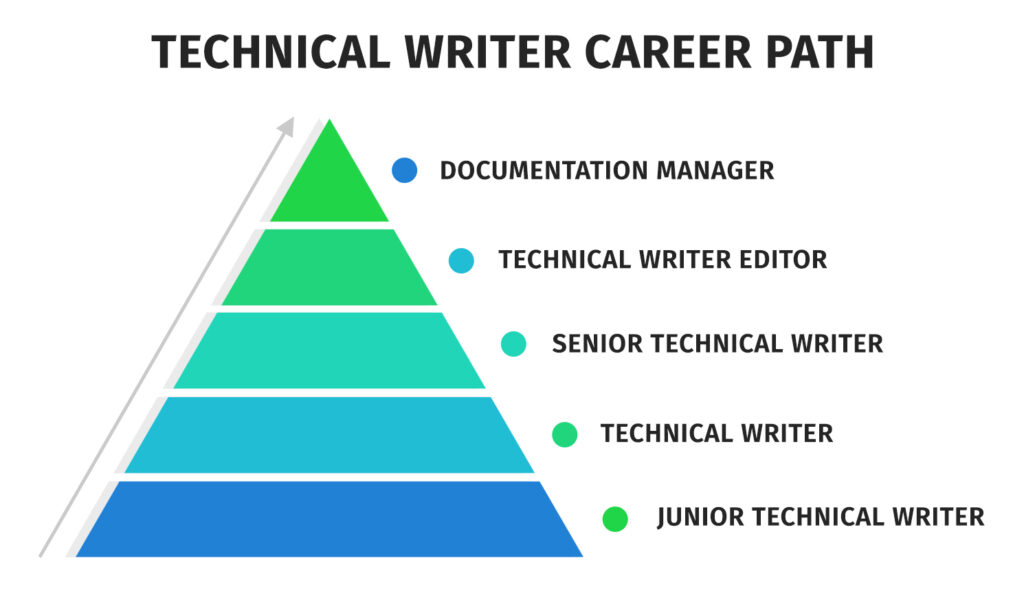
Most people picture one ladder. In reality, technical writing has three solid lanes:
Here I go over the career progression.
Intern is where you learn the real rhythm of docs: messy inputs, fast reviews, and “ship it anyway” deadlines. You’ll update existing content, write smaller chunks of a doc set, and build early writing samples that are way more credible than mock work.
If you want the day-to-day reality, this technical writer intern guide shows what intern projects look like.
Junior roles are where you start owning small surfaces. A guide, a feature, a section of the knowledge base. You’re learning structure, stakeholder communication, and how to maintain docs over time instead of treating them like one-time deliverables.
This is the “core” level where you’re trusted to run documentation projects end-to-end. You write, edit, manage reviews, coordinate with SMEs, and make judgment calls about what belongs in docs versus what belongs in product UI or support.
A helpful benchmark for expectations is these technical writer job description examples because they show how responsibilities shift across companies.
Senior is where scope gets real. You’re owning a larger doc surface area, influencing standards, and preventing doc debt from piling up. The big shift is that your work becomes more about outcomes than output.
For what “senior” usually means in practice, this senior technical writer job description guide breaks down the responsibilities.
These titles vary by company, but the pattern is consistent: you’re owning documentation as a product. Information architecture, taxonomy, governance, templates, tooling choices, and measurement. You’re also mentoring, even if you’re not a manager.
Some writers discover they love editing more than drafting. That can become a real specialization: technical documentation editor, technical editor, content quality lead. If this is your lane, you’ll enjoy the technical writer editor role guide because it maps well to how teams operate.
Management is a different job. More staffing, prioritization, stakeholder negotiation, and visibility work. Less writing, unless you actively protect time for it. Titles here commonly include Documentation Manager, Director of Documentation, Head of Docs, and sometimes broader content leadership roles.
This is the part I wish more people explained plainly: the “skills” change by level because your job changes by level.
At early levels, you’re learning the fundamentals and shipping smaller chunks reliably. You’ll often work on:
Skills that matter most here are writing clarity, attention to detail, and the ability to take feedback without melting down.
This is where you start being trusted with full doc ownership. You’ll often own:
Skills that move the needle are SME interviewing, information architecture instincts, and project management habits that keep reviews moving.
At senior, you’re doing more “systems” work alongside writing. You’ll often touch:
This is where docs-as-code workflows, basic programming skills, and tooling comfort can open more doors, especially if you’re working with version control and build pipelines.
Here’s my real answer: there’s no single “right” degree for technical writing. I’ve worked with great writers who studied English and great writers who studied engineering. What matters is whether you can learn a domain, ask good questions, and produce usable documentation.
You’ll see people enter the field with degrees like:
English, communications, and journalism backgrounds often stand out for their structure, voice, and editing. CS and engineering backgrounds often come in strong on domain fluency and credibility with technical teams. In practice, the best writers blend both.
Some people come through formal technical communication programs, and some go further with a master’s degree in technical communication. Those paths can be useful if you want structured training in document design, information development, research methods, usability, and technical editing.
I don’t think you need a master’s to succeed, but I do think it can accelerate your thinking if you’re the type who learns best in structured environments.
If you’re targeting enterprise documentation teams, structured content and content management matter. This is where things like content management systems, document design, and DITA can show up.
DITA is not required for most entry-level roles, but when you see it, it usually means the org cares about reuse, consistency, and scale. That can be a good sign if you like systems.
If you’re early-career or switching fields, certificates help you signal seriousness quickly, but only if they produce real portfolio output.
I recommend starting with TWHQ technical writing certificates because they’re built around practical documentation deliverables you can actually show.
If you want a broader industry credential, the CPTC ecosystem is often discussed in the technical communication world. STC’s CPTC material has historically been organized around competency areas, and you can see references to the CPTC Foundation body of knowledge and competency areas in STC’s Intercom materials like this Intercom CPTC-focused issue.
If you want a competency model that’s very process-oriented and practical, the tekom competence framework is another reference point for what the profession includes beyond “writing pages.”
If you want the shortest version of the entry plan, it’s this: build proof, get feedback, and apply to roles that match your proof.
You don’t need ten samples. You need two or three that match the doc types in the jobs you want.
If you want software roles, create:
If you want non-software roles, create:
If you can contribute to open-source docs, it’s portfolio gold because it’s public and verifiable. A simple path looks like this:
Even one clean contribution tells employers you can work with version control, collaborate asynchronously, and ship.
You don’t have to become a developer, but you should be comfortable with the basics of modern documentation workflows. In software teams, that often means:
You don’t need to master everything. Pick one lane and get competent enough to ship without fear.
Networking doesn’t have to be awkward. Break it into small, practical steps:
One round of feedback from a real technical writer can compress months of trial-and-error.
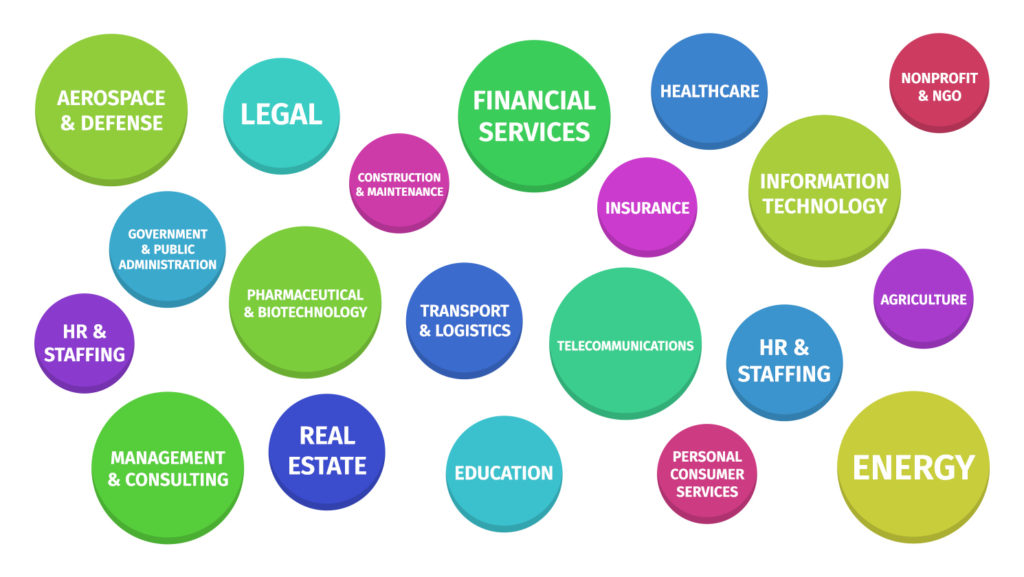
Technical writers show up anywhere complexity needs explaining, but the work feels different depending on industry.
This is where you’ll see a lot of product docs, API docs, SDK docs, release notes, and docs-as-code workflows. You’ll collaborate constantly with engineers and product.
Healthcare can involve patient-facing documentation, internal procedures, regulatory content, and medical writing. The accuracy bar is high, and the cost of mistakes is real, which changes the tone and review rigor.
Finance and insurance tend to care about precision, compliance, and consistent processes. You’ll see policy documentation, customer-facing guides, and internal operational docs, often with heavy stakeholder review.
Here you’ll see user manuals, operating instructions, assembly instructions, diagrams, and safety constraints. Document design matters more than people expect, because formatting and visuals often convey meaning.
Government and legal-adjacent work often includes formal requirements documentation, templates, policy guidance, and structured publishing. It can be slower-paced, but the governance is usually mature.
AI products, virtual reality, and other fast-moving tech areas create documentation problems. The opportunity is real, but so is the churn, so you need strong maintenance habits and fast learning loops.
For a grounded baseline, I use the U.S. Bureau of Labor Statistics.
BLS reports the median annual wage for technical writers was $91,670 in May 2024, and employment is projected to grow 1% from 2024 to 2034, with about 4,500 openings each year on average. You can review the details in BLS technical writer outlook data.
A lot of people get tripped up by “median” versus “range.” If you’re trying to calibrate where you fit, percentile wages are a helpful concept because they show distribution. BLS explains how percentile wages work in its OEWS percentile wage guidance.
If you want a quick view of the low and high ends from a BLS-fed source, O*NET shows national wages for technical writers and includes 10th and 90th percentile figures based on 2024 wage data. You can use O*NET’s technical writer wage page as a quick distribution check while comparing offers.
The hard parts are usually not writing. They’re:
Remote work helps with flexibility, but it also increases the need for strong async habits. If you can run clean review cycles without meetings, you become extremely valuable.
This role is evolving, and you can use the trends to your advantage.
AI can speed up drafting and content operations, but it also raises the importance of governance and review because inaccuracies can slip in quietly. You’ll see that theme in trend write-ups like Fluid Topics’ 2026 documentation trends, especially around agentic AI and automated compliance checks.
Version control, CI-style publishing, and structured review workflows are becoming more normal in software teams. If you learn modern tooling early, you’ll have more options later.
The writers who grow fastest are usually the ones who keep learning the product domain, the user pain, and the documentation system. Not endlessly collecting tools, but building sharper instincts and better questions.
Breaking into technical writing is about proving your ability to create clear, useful documentation and showing employers you can collaborate like a professional. Start small by building a few strong writing samples, contributing to open-source projects, and seeking feedback from experienced writers. With consistent effort, you’ll develop the skills, portfolio, and confidence needed to land your first role and grow in this dynamic, rewarding field. Keep learning, iterating, and connecting with the community because momentum always beats perfection.
Here I answer the most frequently asked questions about the technical writer career path.
Most writers start in an intern or junior role, move into a core technical writer position where they own end-to-end doc projects, then progress into senior roles with broader scope and influence. From senior, you usually choose between staying on the IC ladder (Lead, Staff, Principal), moving into an editorial quality path, or stepping into management where you’re responsible for people and documentation strategy.
Common next titles include Lead Technical Writer, Staff Technical Writer, Principal Technical Writer, Technical Documentation Editor, and Documentation Manager. The title matters less than the scope: are you owning a larger doc ecosystem, setting standards across teams, mentoring writers, building tooling and governance, or running a team and prioritizing documentation work at an org level.
A bachelor’s degree in English, communications, journalism, computer science, or engineering can all be relevant, and I’ve seen people succeed from every one of those backgrounds. The biggest advantage is not the degree name, it’s what you can do with it: research, structure information, edit tightly, and collaborate with SMEs. Formal technical communication programs and master’s degrees can help if you want deeper training in document design, usability, and technical editing.
You don’t need a credential to advance, but certificates can help you get your first role or switch careers faster, especially if they produce portfolio-ready work. I recommend starting with TWHQ technical writing certificates because they’re built around practical deliverables, then adding an industry credential only if it supports your goals and your target employers recognize it.
Software and IT are big, especially for product docs, API docs, SDK docs, and release notes, but strong opportunities also exist in healthcare, finance, insurance, manufacturing, government, and medical writing. In general, industries with complex systems and high cost of mistakes tend to invest more in documentation, which can create better career growth and more specialized roles.
AI-assisted workflows are speeding up drafting and content operations, but they increase the need for human review, accuracy checks, and governance. Docs-as-code and software-style publishing are becoming more common, and remote work keeps pushing teams toward stronger async habits. Staying employable long-term is less about one tool and more about continuous learning, domain fluency, and the ability to own clarity as systems evolve.
Get the weekly newsletter keeping 23,000+ technical writers in the loop.
Learn technical writing and advance your career.
Please check your email for a confirmation message shortly.





















Get our #1 industry rated weekly technical writing reads newsletter.
Your syllabus has been sent to your email