
Our reviewers evaluate salary independently. Learn how we stay transparent, our salary methodology, and tell us about anything we missed.

Our reviewers evaluate salary independently. Learn how we stay transparent, our salary methodology, and tell us about anything we missed.
The first time I had to put a number on my “worth” as a writer in tech, I froze. I had spent years getting good at the work, clarity, tone, and user empathy, but when the recruiter asked for salary expectations, my brain did that unhelpful thing of trying to be “reasonable” for them instead of accurate for me.
I threw out a range that was too low, then spent the rest of the process trying to talk myself into it. I eventually corrected it, and that experience is why I take UX writer salary conversations seriously now. Not because money is the only thing that matters, but because salary is a proxy for scope, influence, and how much a company values content design.
Let’s start with the numbers people care about, then I’ll explain what makes those numbers move.
One widely referenced benchmark is the UX Content Collective salary survey. Their 2025 survey reported a median global salary of $110,000 USD for content designers and UX writers.
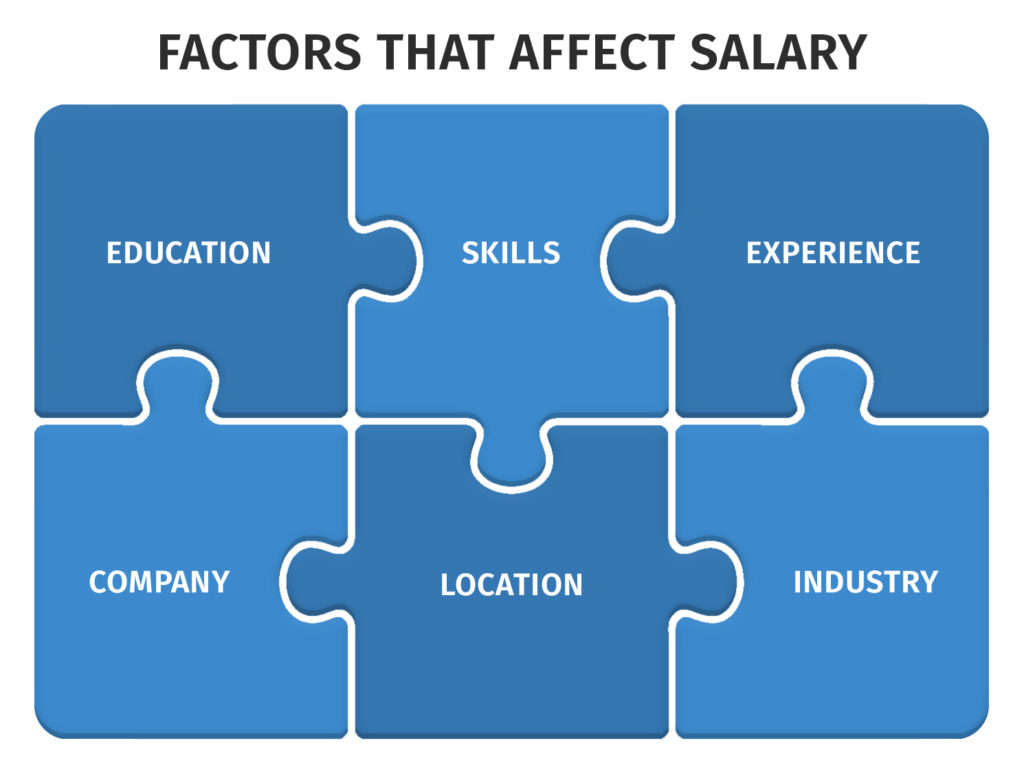
That figure is helpful because it gives you a global anchor, but it’s not the full story. Your salary range is shaped by location, seniority, company size, and whether your role is closer to “microcopy execution” or “content design leadership.”
In practice, UX writing pay tends to cluster into three broad bands:
Remote work can blur the lines, but it hasn’t erased them. Many companies still anchor compensation to location bands, even for remote roles.
When I want a stable, “official” reference point for writing roles in tech (even though it’s not UX writing), I look at the U.S. Bureau of Labor Statistics category for technical writers.
Bureau of Labor Statistics lists a median annual wage of $91,670 (May 2024) for technical writers.
This is not a “UX writer salary equals technical writer salary” claim. It’s more of a sanity check for how the broader market values writing roles in tech when companies try to underlevel UX writing.
If you want the deeper comparison, I break down responsibilities and pay logic in UX writer vs technical writer.
If you’ve ever wondered why two UX writers with the same years of experience can earn wildly different salaries, it comes down to scope and context.
Titles are messy in UX writing. “UX Writer,” “Content Designer,” “Product Content Strategist,” and “Product Writer” can overlap.
In general, salary increases when your responsibilities include:
This is why two people can both “write microcopy,” but one is treated like a production role, and the other is treated like a product strategy partner.
Years matter, but impact matters more.
A writer with three years of experience who has shipped complex flows, worked with UX research, and led cross-team alignment can outearn someone with seven years of experience who stayed in small UI surfaces and never owned a system.
If you’re trying to accelerate your leveling, the UX writer career path breakdown will help you map “what I do” to “what I should be paid.”
Large companies tend to have clearer ladders (and sometimes higher pay), but they also have more competition and slower hiring cycles.
Smaller companies can pay well if you’re doing multiple jobs: UX writing, content strategy, support content, onboarding education, and product messaging. The catch is that the role can become ambiguous fast, so you need clarity on scope before you accept.
Specialization increases earning potential because it reduces uncertainty for the company.
Examples:
If you want a skill-by-skill checklist to compare against job postings, I keep one here: UX writing skills.
Even in remote roles, many companies still pay based on geo bands.
If you’re negotiating, your most useful move is to understand which band the company is using and whether they can flex it based on seniority or scarcity of skills.

Salary makes more sense when you understand what the job requires day-to-day.
UX writers don’t work alone. Your effectiveness depends on collaboration with:
In mature orgs, UX writing sits inside UX teams or content design teams. In less mature orgs, UX writing might live under product, marketing, or even support.
That reporting line matters. If you report into a function that treats content as a strategic lever, pay tends to be higher. If you report into a function that treats content as “cleanup,” salary and growth tend to be lower.
This is also why I tell people to prepare for collaboration questions early. Your ability to communicate decisions is part of your value. If you want to practice that, skim UX writer interview questions and treat it like a salary skill-builder.
People ask this: “How does UX writer salary compare to that of content designers, technical writers, copywriters, and content strategists?”
Here’s the honest answer: it depends on the organization’s mental model.
In many companies, these titles are the same. In others, “content designer” signals a broader scope and higher pay.
The pay difference shows up when content design includes content strategy, IA support, and governance. If you’re doing that work under a “UX writer” title, you can negotiate for either higher pay or a title that matches the scope.
Copywriting and content marketing can pay well in performance marketing or senior brand roles. The difference is that UX writing compensation is often tied to product org ladders, not marketing ladders.
UX writing pay tends to climb fastest when the company believes UI content influences retention, conversion, and support costs.
Technical writing salaries can be strong in industries with complex documentation and regulatory requirements.
UX writing can outpace technical writing in some tech companies (such as consumer products), but technical writing can outpace UX writing in regulated or technical domains, depending on scarcity and risk.
Base salary is only one part of the deal. For UX writers, total compensation can swing a lot based on bonuses, equity, and perks.
Some companies offer annual bonuses tied to company performance or individual performance. Others offer hiring bonuses when they need someone quickly or in a competitive market.
Equity is where offers get deceptive.
A startup offer might have lower base pay but include options that could become valuable. A public company offer might include restricted stock units (RSUs) that have a clearer value but are tied to vesting schedules.
If you’re comparing offers, focus on total comp and risk profile, not just the headline salary.
Freelance rates can be strong if you can handle multiple projects and move fast. The tradeoff is volatility, self-managed benefits, and the need to constantly source work.
If you’re considering freelancing, I always recommend that you get clear on the scope. “Rewrite onboarding” can mean 20 strings or 200 strings, plus governance, plus stakeholder reviews.
I’m not going to pretend negotiation is fun. It’s awkward. But it’s also a skill.
Here’s the negotiation checklist I use (and yes, I keep it simple):
That’s three bullets, and that’s all you need.
Pay growth is tied to one thing: expanding your scope.
The UX writing market has gone through churn in the last few years, and the emotional reality matters. Candidates feel the volatility.
According to UX Content Collective, the job market showed recovery signals in May 2024, with large companies beginning to hire again, even for some entry-level roles, after two slower years. UX Content Collective salary survey also asked about layoffs in the prior 24 months and analyzed salaries excluding respondents who had been laid off to better reflect the current market snapshot.
The practical takeaway: job availability and salary levels can move in different directions at the same time. You might see salaries stay strong while competition increases.
If you want a broader UX compensation context (beyond content roles), UXPA publishes salary survey resources and commentary across UX roles.
AI is changing UX writing work, but not in the simplistic “AI will replace writers” way people love to argue about.
What I’m seeing more often is AI shifting where value lives:
Some teams are building internal company-wide GPTs or using tools like Claude for drafting and brainstorming, but the best teams treat AI outputs as raw material, not final copy.
This tends to raise the ceiling for writers who can operate at the framework and strategy level. It can also raise the barrier to entry for writers who want to do surface-level microcopy without understanding user journeys and content structure.
Here I answer the most frequently asked questions about a UX writer’s salary.
“Good” depends on location, level, and scope. As a global benchmark, UX Content Collective reported a 2025 median global salary of $110,000 USD for content designers and UX writers. Use that as an anchor, then adjust for your region, seniority, and total compensation.
Sometimes, because “content designer” signals a broader scope. If your UX writer role includes content strategy, governance, and system-level work, you can negotiate comparable compensation or a title that matches your scope.
They can overlap. BLS reports a median annual wage of $91,670 (May 2024) for technical writers in the U.S., which is a useful neighboring benchmark. In some companies, UX writing pays more; in others, technical writing does.
Ask about bonuses, equity (stock options or RSUs), signing incentives, flexible schedules, learning budgets, and vacation time. For many offers, these make the difference between an “okay” package and a great one.
I haven’t seen consistent evidence that AI lowers salaries. What I do see is a shift in what companies pay for: writers who can pair AI tools with judgment, governance, and strategy tend to be more resilient in compensation and demand.
Expand scope. Own flows, then systems, then outcomes. Build credibility in research collaboration, content strategy, accessibility, and cross-team influence.
Get the weekly newsletter keeping 23,000+ technical writers in the loop.
Learn UX writing and advance your career.
Please check your email for a confirmation message shortly.





















Get our #1 industry rated weekly technical writing reads newsletter.
Your syllabus has been sent to your email