Our reviewers evaluate writing services independently. Learn how we stay transparent, our methodology, and tell us about anything we missed.

Our reviewers evaluate writing services independently. Learn how we stay transparent, our methodology, and tell us about anything we missed.
Hiring a freelance writer is one of the fastest ways to scale content without increasing payroll.
I’ve worked with companies that tried to hire full-time too early and ended up carrying overhead costs they did not need. I’ve also seen teams use freelance writers strategically and build flexible, high-performing content engines.
The difference is not just who you hire. It is how you hire and where you hire from.
In this guide, I’ll break down the best platforms, what they’re good at, how pricing works, and how to vet freelance writers properly.
I’ve hired freelance writers for technical documentation, SaaS blogs, white papers, and niche B2B content. I’ve also seen hiring go wrong when companies skip vetting and rely purely on ratings.
Freelancers can outperform full-time hires when the structure is right. They bring specialized skill sets, domain expertise, and flexibility that in-house teams often lack.
The key is knowing how to use the platforms properly.
Here’s how I think about these platforms at a high level.
Some platforms like Upwork and Freelancer operate on a bidding system. You post a project and writers submit proposals. Others like WriterAccess and ClearVoice lean more toward curated or managed models. Fiverr uses a gig-based model where writers offer predefined services.
Each structure changes how you screen, pay, and manage writers. So let’s take a look at the best.

Upwork is one of the largest freelance marketplaces, and it has writers in basically every niche you can think of. You can hire for quick one-off writing gigs or build a longer-term bench of freelancers you keep coming back to. It’s also a strong option if you want to compare multiple candidates quickly without relying on referrals.
I chose Upwork because it gives you real flexibility in how you hire and pay. You can run projects on a per-project basis, use a milestone payment system, or set up long-term contracts depending on what you need. If you’re willing to vet carefully, it’s one of the fastest ways to find domain expertise without committing to full-time overhead.
Learn more: Check out Upwork on their website.
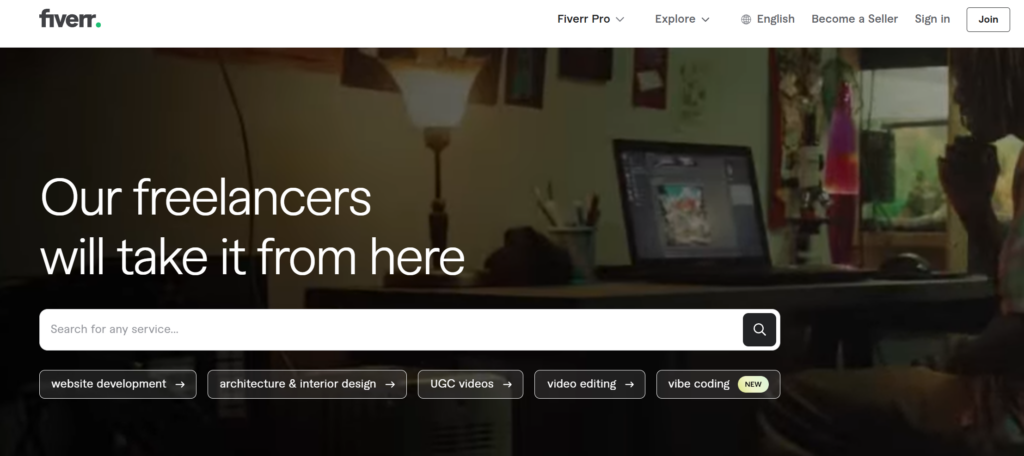
Fiverr is a gig-based platform where writers list packaged services with defined pricing and turnaround times. It’s useful when you want to move fast and don’t want to negotiate rates for every small task. You’ll find everything from basic blog drafts to specialized services like Fiverr Pro writers who market themselves as more vetted.
I picked Fiverr because it removes friction when your scope is clear and your timeline is tight. You can scan listings, review samples, and choose a package without running a full audition process. It’s also a practical way to test a niche or writing style cheaply before committing to a longer-term collaboration elsewhere.
Learn more: Check out Fiverr on their website.

WriterAccess blends a freelancer marketplace with workflow tools that help you manage multiple writers at once. It’s designed for teams that publish consistently and want repeatable processes, not just one-off hires. If you’re coordinating content briefs, revisions, and approvals at scale, the built-in structure can help.
I selected WriterAccess because it’s built around scaling content production without your process falling apart. It gives you filters, writer profiles, and an algorithm to match clients with writers, which speeds up hiring when you have recurring needs. It’s also a good fit if you care about project management and want a workroom feature that keeps communication organized.
Learn more: Check out WriterAccess on their website.
Contently is positioned more for enterprise content marketing than for small teams hiring their first freelancer. It combines access to freelance talent with heavier editorial oversight, workflow support, and reporting. If you want a platform that feels closer to a managed content operation, this is one of the better-known names.
I picked Contently because it fits organizations that want strategy and execution in one place. It’s useful when you care about SEO optimization, consistent editorial standards, and performance tracking tied to an analytics mindset. If you already run content audits or operate with a content calendar at scale, the structure here can support that maturity.
Learn more: Check out Contently on their website.
Freelancer is a global marketplace that uses a competitive bidding system. You post a project, freelancers bid, and you compare proposals, pricing, and profiles. It can be a fast way to get lots of options, especially when cost-efficiency is a major priority.
I chose Freelancer because it’s useful when you want pricing pressure and a quick turnaround on proposals. You can see the market range for your project fast, then narrow down to writers with strong portfolios and relevant credentials. The tradeoff is that you need to vet carefully, because a bidding system can attract low-effort submissions.
Learn more: Check out Freelancer on their website.

Guru is a freelance marketplace that focuses on proposal-based hiring and structured agreements between clients and freelancers. It allows you to review detailed profiles, compare quotes, and manage contracts in one centralized dashboard. The platform is often used by businesses that prefer a more formalized hiring workflow.
I picked Guru because it makes side-by-side comparison easy. If you want multiple writers to explain their approach, timeline, and pricing before you commit, this structure helps clarify differences. It works best when you already have a well-defined scope and want to evaluate strategy, not just writing samples.
Learn more: Check out Guru on their website.
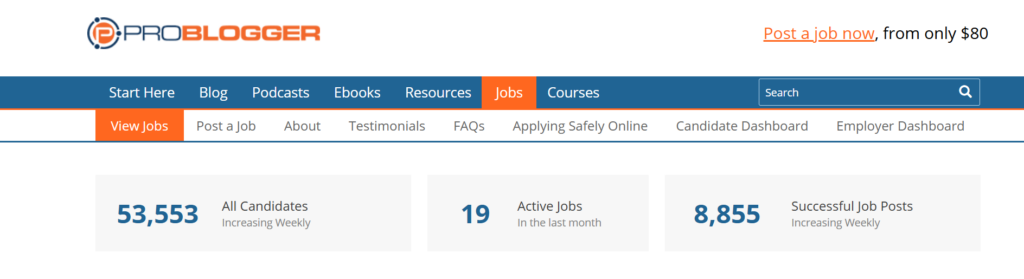
ProBlogger Job Board is a curated freelance writing job board focused specifically on blogging and content writing. Writers actively browse it looking for writing gigs, which means the audience is highly targeted. Unlike algorithm-driven platforms, this one relies on direct job listings.
I picked ProBlogger because it attracts writers who take blogging seriously. You typically face lower competition from non-writers, which improves applicant quality. It is especially useful if you want writers with a strong voice, consistency, and long-term content marketing interest.
Learn more: Check out ProBlogger Job Board on their website.

Toptal positions itself as a premium freelance network that screens applicants before allowing them onto the platform. It markets access to top-tier freelance professionals across industries, including writing. The emphasis is on quality over volume.
I picked Toptal for companies that aim for a reduced screening burden. Their vetting process filters out a large portion of applicants before you even see them. If you value credentials, expertise level, and professional polish, this model provides a higher baseline of quality.
Learn more: Check out Toptal on their website.

PeoplePerHour is a freelance marketplace that blends hourly contracts with project-based offers. It allows freelancers to list predefined services while also bidding on custom projects. The platform has a strong international presence.
I picked PeoplePerHour because it offers flexibility similar to Fiverr and Upwork combined. You can hire for clearly scoped tasks or post custom projects and evaluate bids. It works well when you want competitive pricing but still want structured contracts and milestone payments.
Learn more: Check out PeoplePerHour on their website.
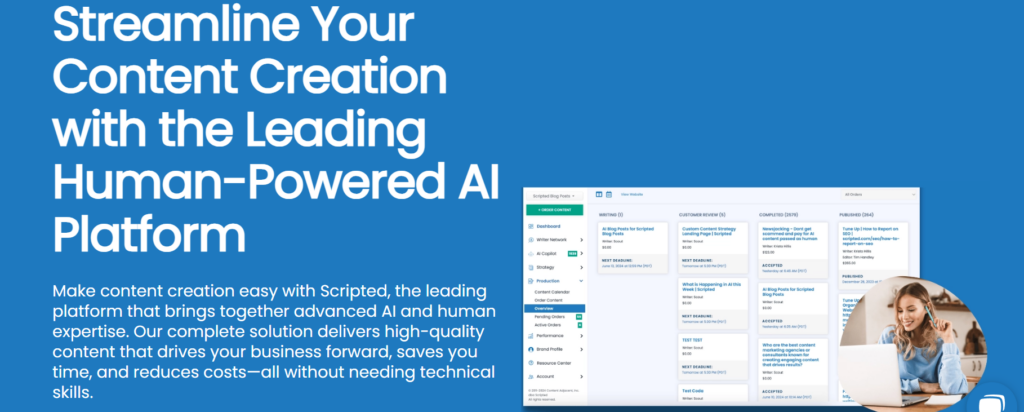
Scripted is a subscription-based content platform that connects businesses with freelance writers. It focuses heavily on ongoing content production rather than one-off gigs. The structure is designed to simplify repeat publishing.
I picked Scripted for teams that publish consistently and want a predictable workflow. The subscription model reduces the friction of rehiring for every assignment. If you value streamlined ordering and ongoing collaboration, this type of system can reduce administrative time.
Learn more: Check out Scripted on their website.

ClearVoice combines freelance talent with managed content support. It allows you to discover writers but also offers more structured collaboration and content planning tools. It is often used by marketing teams that want freelance flexibility with added oversight.
I picked ClearVoice because it balances marketplace access with management support. If you want freelance writers but also want better coordination and project visibility, this platform fills that gap. It is especially useful when aligning freelance writing with SEO optimization and broader content strategy.
Learn more: Check out ClearVoice on their website.
Freelance writers offer flexibility that full-time employees cannot.
You avoid long-term financial burdens such as benefits, office space, and overhead costs. You can scale up during busy seasons and scale down without restructuring a team.
Freelancers also bring domain expertise. Instead of training someone internally, you can hire someone who already understands your niche, whether that is technical writing, SEO content, or specialized fields.
On a per-project basis, this often results in cost efficiency and faster execution.
Pricing models vary widely across platforms.
Some use a sliding fee structure in which the platform takes a percentage of payments. Others charge membership fees or handling fees. Gig-based platforms use fixed pricing tiers, while bid-based platforms allow negotiation.
I always evaluate total cost, not just writer rate. Platform fees, payment processing, revision rounds, and project management time all affect the real investment.
Look for:
The biggest mistake I see is relying entirely on ratings.
Ratings matter, but they do not replace a structured vetting process. I review writing samples carefully and look for consistency in writing style, clarity, and depth of research.
I also recommend:
A paid trial protects both sides. It reveals how the writer handles briefs, deadlines, and revisions before you commit long-term.
Platforms like Toptal and Fiverr Pro attempt to pre-vet writers, but I still run my own assessment.
Freelance platforms reward clarity.
If your job post is vague, you will attract vague proposals. I clearly define niche, word count, SEO expectations, and deliverables.
I also use platform filters aggressively. Narrow by expertise level, writing style, niche experience, and portfolio quality.
When possible, I use milestone-based payments. This protects your budget and ensures accountability without requiring long-term contracts.
If the platform includes workroom features or a community hub, use them. Organized communication reduces friction and keeps projects on track.
Hiring freelance writers can be one of the most efficient ways to grow content.
You gain flexibility, reduce overhead costs, and access specialized skill sets that would be expensive to hire full-time. But the advantage only shows up when you combine a strong brief, clear pricing expectations, and a consistent vetting process.
Treat freelance hiring like a system, not a shortcut.
Here, I answer the most frequently asked questions about hiring freelance writers.
Yes, if you use structured contracts and milestone payments. Most platforms offer integrated payment systems that protect both clients and freelancers.
Clear communication and documented agreements reduce risk.
Review the platform’s fee structure carefully. Look for sliding fees, handling fees, or payment-processing costs that may not be obvious at first glance.
Factor those into your total budget before hiring.
Always review portfolio samples and, if possible, request a short paid trial. A trial reveals how well the writer adapts to your brand voice.
Writing style alignment is more important than ratings alone.
Yes. Many freelancers prefer long-term collaborations. You can structure recurring contracts or milestone-based agreements for stability.
Clear expectations and consistent communication make long-term relationships successful.
Time zones can actually improve workflow if managed correctly. Clear deadlines and structured communication tools help bridge differences.
If language precision is critical, confirm credentials and review multiple writing samples before committing.
Get the weekly newsletter keeping 23,000+ technical writers in the loop.
Get certified in technical writing skills.
Please check your email for a confirmation message shortly.





















Get our #1 industry rated weekly technical writing reads newsletter.
Your syllabus has been sent to your email