Our reviewers evaluate software independently. Learn how we stay transparent, our methodology, and tell us about anything we missed.

Our reviewers evaluate software independently. Learn how we stay transparent, our methodology, and tell us about anything we missed.
If you’ve ever onboarded someone and realized the “process” is basically a Slack message from 9 months ago, welcome to the club. I’ve built documentation stacks in fast-moving companies where work changes weekly, and process docs are the only thing standing between “smooth delivery” and “everyone improvising.”
Process documentation software is what I use when I want consistency without becoming the process police. These are the tools I’d consider in 2026 if I needed to document SOPs, map workflows, and keep processes from going stale.
Here’s my shortlist of the 11 best tools for documenting processes.
Process documentation isn’t just a “nice to have.” It’s how you keep teams aligned when you scale, when people churn, or when compliance suddenly becomes important.
The best tools do two jobs at once. They make it easy to create process docs, and they make it hard for those docs to quietly rot. That usually comes down to templates, version control, collaboration, and some form of accountability.
If you only take one thing from this list, it’s this: pick a tool that fits how your team already works. The perfect tool that nobody uses is still useless.
The tools below cover the most common process documentation needs I see: writing SOPs, mapping processes visually, automating repetitive workflows, and building a system that teams will actually adopt.
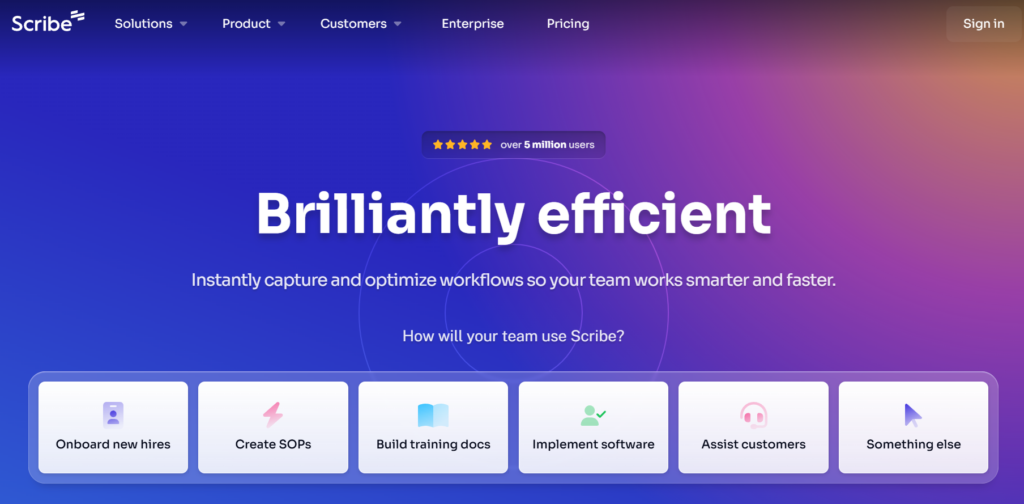
Scribe is one of the fastest ways I’ve found to turn “watch me do it” into usable documentation. You record a workflow in a browser or desktop app, and it automatically generates a step-by-step guide with screenshots and instructions.
This is especially useful when processes change often, because rewriting docs manually is where most teams give up. With Scribe, the documentation effort drops dramatically, so teams are more willing to keep it updated.
I also like it for onboarding, because you can create a library of “micro-guides” that new hires can follow without scheduling 12 meetings. It’s not a full SOP platform by itself, but it’s a powerful documentation engine.
I picked Scribe because it eliminates the most annoying part of process documentation: the blank page. If you can record the workflow, you can document it.
Pros
Cons
To learn more, check out Scribe on their website.

Tango is similar to Scribe, but it’s especially strong when your workflows happen inside web apps all day. It captures steps while you work, then turns those actions into documentation without you thinking too hard about it.
Where Tango fits best is teams doing internal operations, customer support, or tool-heavy work where the process is literally “click here, then here, then fill this in.” It turns those click-paths into clear instructions.
If your team struggles to write documentation, tools like Tango reduce the friction so much that people actually contribute. That alone can change adoption.
I picked Tango because it captures documentation in the flow of work. That’s the only sustainable way most teams will document anything.
Pros
Cons
To learn more, check out Tango on their website.

SweetProcess is built for organizations that want SOPs, policies, and procedures that people actually follow. It’s not just documentation, it’s documentation tied to accountability.
You can assign processes, track completion, and keep everything organized in a central hub. That’s helpful when your process documentation is meant to run operations, not just sit in a wiki.
It also works well for onboarding because it can act like a training guide library. If you’re documenting how work should be done across teams, SweetProcess is one of the cleanest options.
I picked SweetProcess because it bridges the gap between “we wrote the SOP” and “people actually follow the SOP.”
Pros
Cons
To learn more, check out SweetProcess on their website.
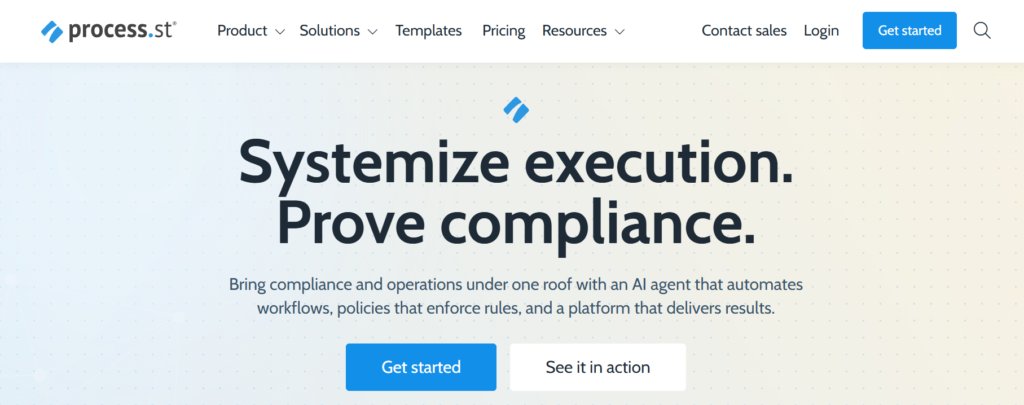
Process Street is process documentation plus execution. You document the workflow, then run it as a checklist with assignments, due dates, and automation.
This is perfect for recurring operational work like monthly reporting, onboarding, incident response, or compliance procedures. It also helps teams standardize execution without reinventing the process every time.
If your problem is “we have processes, but nobody follows them consistently,” Process Street brings structure. It’s less of a wiki and more of a workflow engine with documentation built in.
I picked Process Street because it connects documentation to action. That’s where process documentation delivers the most ROI.
Pros
Cons
To learn more, check out Process Street on their website.

Confluence is the tool I use when a team already runs on Jira and needs a home for SOPs, runbooks, decision logs, and internal playbooks. It’s a wiki at heart, but it scales well if you build structure around it.
Its strength is collaboration and discoverability across teams, especially when paired with disciplined information architecture. You can keep process docs alongside engineering work, which makes it easier to keep things updated.
It’s also a good choice when you want a centralized knowledge base that includes more than processes. You can combine product docs, team handbooks, and operational SOPs in one place.
I picked Confluence because it’s a solid long-term “source of truth” for teams already living inside Atlassian.
Pros
Cons
To learn more, check out Confluence on their website.
Notion is the flexible option. You can build a process wiki, an onboarding hub, and a library of process templates in one workspace.
It’s strong when you want written SOPs plus structured databases for things like owners, review dates, and process status. That’s how you avoid the “nobody knows what’s current” problem.
The tradeoff is consistency. Notion works best when you establish standards, because flexibility can quickly become messy if every team documents differently.
I picked Notion because it’s one of the easiest ways to get teams documenting consistently, especially outside engineering.
Pros
Cons
To learn more, check out Notion on their website.
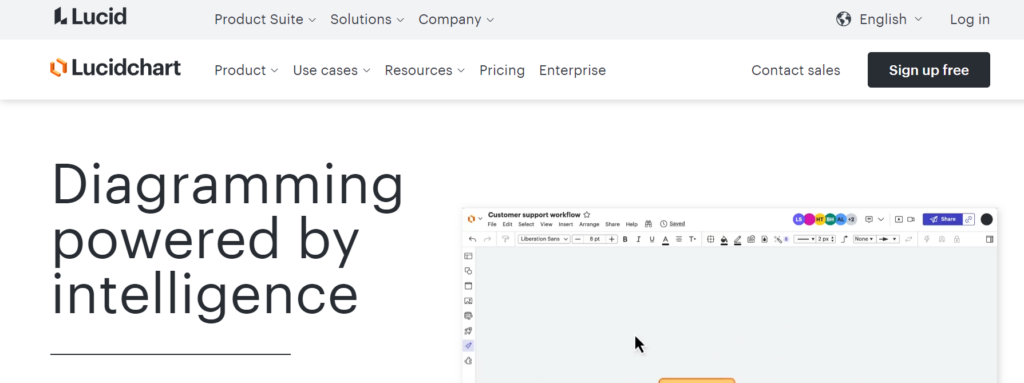
Lucidchart is my go-to when the process needs to be visual. Flowcharts, swimlanes, process maps, and diagrams are often the fastest way to align a group around what’s actually happening.
It’s especially useful when you’re optimizing workflows, because diagramming forces clarity. You can see handoffs, decision points, and bottlenecks in a way that written SOPs sometimes hide.
Lucidchart works best paired with a written SOP system. Use the diagrams to explain the flow, then link to step-by-step work instructions where needed.
I chose Lucidchart because visual process mapping prevents misunderstandings. When everyone sees the same flow, alignment gets much easier.
Pros
Cons
To learn more, check out Lucidchart on their website.
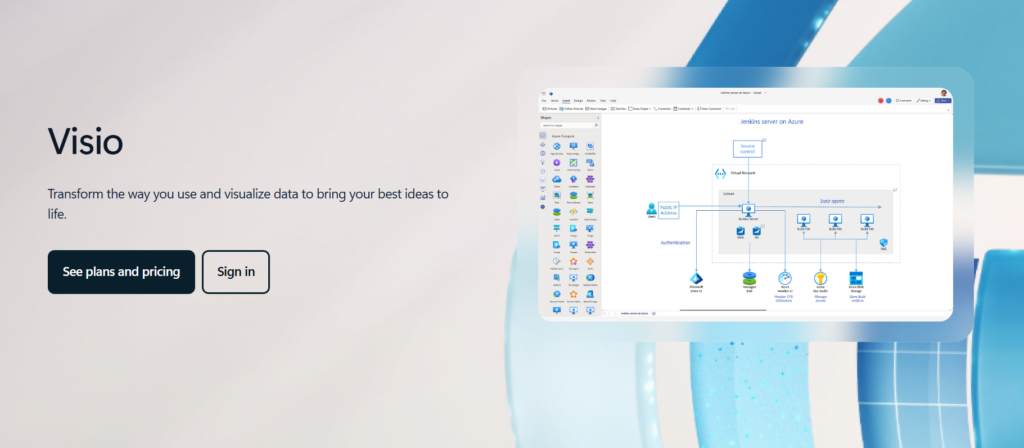
Visio is still a standard in many enterprises, especially when Microsoft is the default ecosystem. It’s powerful for flowcharts, process diagrams, and structured mapping.
It fits well when teams already rely on Microsoft tools and want diagramming that aligns with that stack. For some organizations, “use Visio” is simply the most realistic adoption path because it’s already approved.
If your processes require formal diagrams, Visio is dependable. It’s not the most modern interface, but it gets the job done.
I picked Visio because enterprise reality matters. Sometimes the best tool is the one your org can actually adopt.
Pros
Cons
To learn more, check out Microsoft Visio on their website.
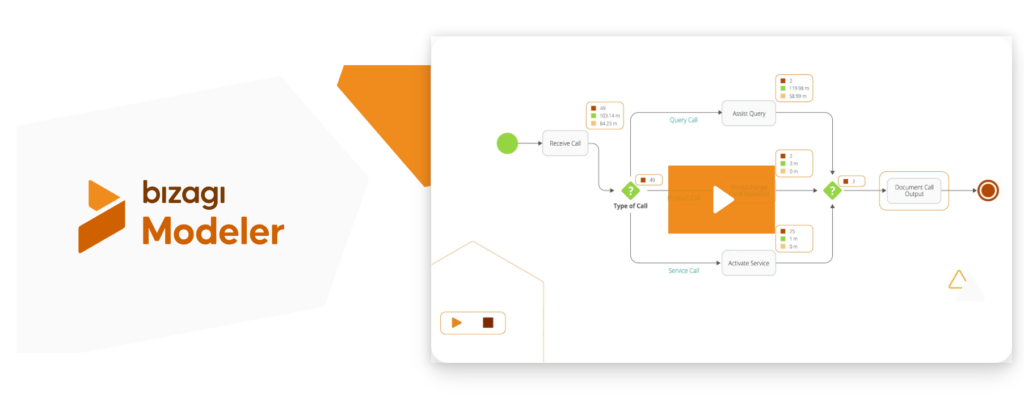
Bizagi Modeler is what I think of when a team needs BPMN-standard process modeling. If your org is serious about formal business process documentation, this is a strong option.
It’s great for process flows with clear roles, swimlanes, and structured definitions. It helps enforce consistency and prevents “every diagram looks different” chaos.
Bizagi is especially useful in compliance-heavy environments where process accuracy is not optional. It encourages a more disciplined approach to documentation.
I picked Bizagi because BPMN is still the language many organizations use for formal process design. If you need that, you need a tool that respects it.
Pros
Cons
To learn more, check out Bizagi Modeler on their website.

ProcessMaker is process documentation plus automation. It’s designed for organizations that want to document workflows and then actually automate steps through approvals, routing, and integrations.
This is especially useful when your process includes handoffs between departments. Instead of just documenting the workflow, ProcessMaker can enforce it.
If your goal is workflow optimization at scale, automation is usually the endgame. ProcessMaker is built for that more than wiki-style tools.
I picked ProcessMaker because it’s a practical bridge between process documentation and process automation. If your processes are complex, this matters.
Pros
Cons
To learn more, check out ProcessMaker on their website.
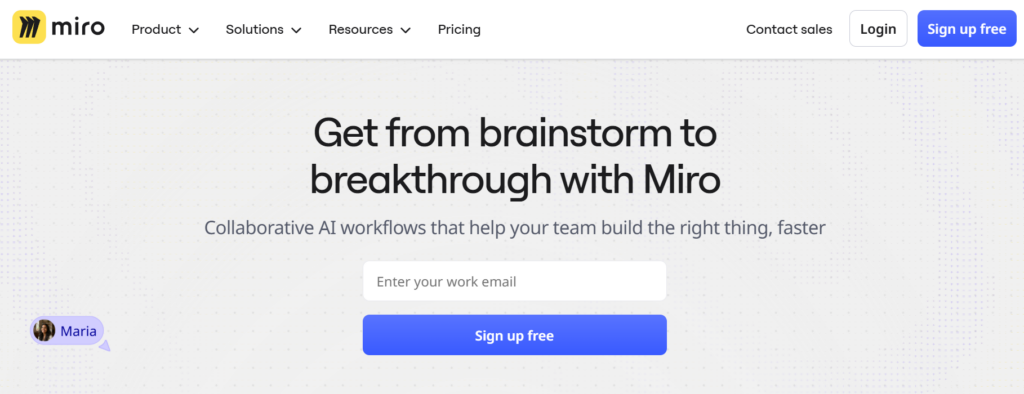
Miro is not a pure process documentation tool, but it’s one of the best places to figure out what the process actually is. I use it for workshops, mapping sessions, and cross-functional alignment before anything becomes an SOP.
It works well when processes are messy or disputed. You can get everyone in a room, map the real process, and then export that into a more formal tool later.
If you’re documenting processes for the first time, Miro is often a great starting point. Once you have clarity, move the final version into a system with version control and governance.
I picked Miro because discovery comes before documentation. If you can’t align on the process, no tool will save you.
Pros
Cons
To learn more, check out Miro on their website.
If you want a few more options depending on your workflow, these are worth looking at.
Process documentation software helps you capture how work actually gets done, then turn it into repeatable instructions other humans can follow. In most organizations, that means SOPs, step-by-step procedures, checklists, process maps, training guides, and work instructions.
The “software” part matters because it gives you structure. You get templates, version history, real-time collaboration, task assignment, approvals, and a searchable organization that a random Google Doc folder will never provide.
When it’s implemented well, this kind of tool becomes a centralized knowledge base for how the organization runs. That’s the difference between tribal knowledge and scalable operations.
Most tools fall into a few buckets, and picking the right bucket saves you a lot of pain later.
First, you have SOP and policy tools. These focus on written instructions, accountability, and keeping processes updated over time. Think SweetProcess and Process Street.
Second, you have “auto-capture” tools. These generate documentation by recording what you do, then turning it into step-by-step guides. Think Scribe and Tango.
Third, you have diagramming and process mapping tools. These are for flowcharts, BPMN, and visual process design. Think Lucidchart, Visio, Bizagi, and Miro.
A lot of teams end up using two tools, one for written SOPs and one for diagrams. If your tool can do both well, great. If not, don’t force it.
Process documentation pays off faster than most people expect, especially once your team gets past a certain size.
The biggest benefit is consistency. When people follow the same steps, outcomes become predictable, and quality improves. That matters for compliance, customer experience, and anything operational that can’t afford improvisation.
The second big benefit is onboarding efficiency. New hires ramp faster when they have clear work instructions, process templates, and a single place to look for answers. It also reduces the “DM the senior person for everything” problem.
The third benefit is workflow optimization. Once your processes are documented, you can improve them. Analytics and reporting, revision tracking, and feedback loops make it easier to spot bottlenecks and tighten the workflow over time.
If you want the foundations behind process documentation, these guides will help.
Here’s my criteria for picking software to review.
I want process templates that make it easy to start, plus a structure that keeps docs consistent. If every SOP looks different, nobody trusts the library.
Real-time collaboration is great, but ownership matters more. I look for tools that support review workflows, task assignment, and clear accountability.
Processes change. Version control and revision tracking make it obvious what changed, when, and why. This is also where compliance teams get comfortable.
If people can’t find the process in under 10 seconds, they’ll do their own thing. A centralized knowledge base with decent search is non-negotiable.
For many teams, the diagram is the documentation. I look for strong process mapping, flowcharts, or BPMN support when the workflow is complex.
If the process includes approvals, routing, and handoffs, automation is often the real win. Tools that connect documentation to execution deliver better long-term ROI.
Here’s how to pick the right software for you.
If you need SOPs and policies, choose an SOP-first tool like SweetProcess or Process Street. If you need click-by-click guides, pick an auto-capture tool like Scribe or Tango.
If you need to model workflows visually, use Lucidchart, Visio, Bizagi, or Miro. Trying to force diagrams into an SOP tool usually ends in frustration.
The fastest adoption comes from immediate pain relief. Document the process that causes the most delays, errors, or onboarding confusion.
Once teams trust the system, it becomes easier to expand. If you start by documenting everything, you’ll burn out before you see value.
Set owners, review cadences, and simple update rules. Version control helps, but process docs still need a human system around them.
I like lightweight governance: owner, last reviewed date, and a clear “definition of done.” That’s enough to avoid the wiki graveyard.
If your team lives in Microsoft, lean toward Visio, SharePoint-style workflows, or tools that integrate cleanly with Microsoft. If your team lives in Atlassian, Confluence usually wins.
The more a tool fits the existing workflow, the less adoption becomes a fight.
Here, I answer the most frequently asked questions about process documentation software.
A normal wiki stores content. Process documentation software usually adds templates, structured workflows, assignments, approvals, version control, and execution tracking.
If you need people to follow the process, not just read it, process-focused tools tend to work better.
Often, yes. The process map explains the flow and decision points, while the SOP explains the exact steps and standards.
If you only pick one, choose the format your team will actually use. A perfect SOP nobody reads is not better than a simple checklist everyone follows.
Assign owners and set a review cadence. Even a quarterly review is better than nothing.
Tools with version history and revision tracking help, but maintenance is still a process problem, not just a software problem.
Version control, audit trails, role-based access control, and approval workflows matter most. You also want documentation consistency so the process is repeatable.
If audits are a reality for you, prioritize tools that make changes traceable and ownership obvious.
Yes, and it’s usually one of the fastest wins. New hires ramp faster when they can follow step-by-step SOPs, checklists, and process templates without waiting for someone’s calendar.
I’ve seen onboarding timelines shrink significantly when the documentation library is actually complete and searchable.
Choose automation tools when the process includes approvals, routing, and cross-team handoffs that need enforcement. If your process only needs documentation, automation might be overkill.
Get the weekly newsletter keeping 23,000+ technical writers in the loop.
Learn documentation engineering and advance your career.
Please check your email for a confirmation message shortly.





















Get our #1 industry rated weekly technical writing reads newsletter.
Your syllabus has been sent to your email