
Our reviewers evaluate career opinion pieces independently. Learn how we stay transparent, our methodology, and tell us about anything we missed.

Our reviewers evaluate career opinion pieces independently. Learn how we stay transparent, our methodology, and tell us about anything we missed.
I learned UX writing the same way a lot of people do: I shipped a “tiny” microcopy change, and suddenly a whole flow got harder to use. Nothing makes you respect button labels like watching a support queue react to them.
Books helped me because they give you reusable thinking, not just “write shorter.” The best ones teach you how to design language within a product, collaborate with designers and engineers, and defend your decisions with research rather than vibes.
If you’re brand new to UX writing, I’d skim my complete UX writing guide first, then spend 10 minutes scrolling through my favorite UX writing examples. It’s easier to pick the right book once you can recognize patterns in the wild.
This is the reading list I’d give a friend if they told me they want to get good at UX writing, ship confidently, and not melt down during reviews.
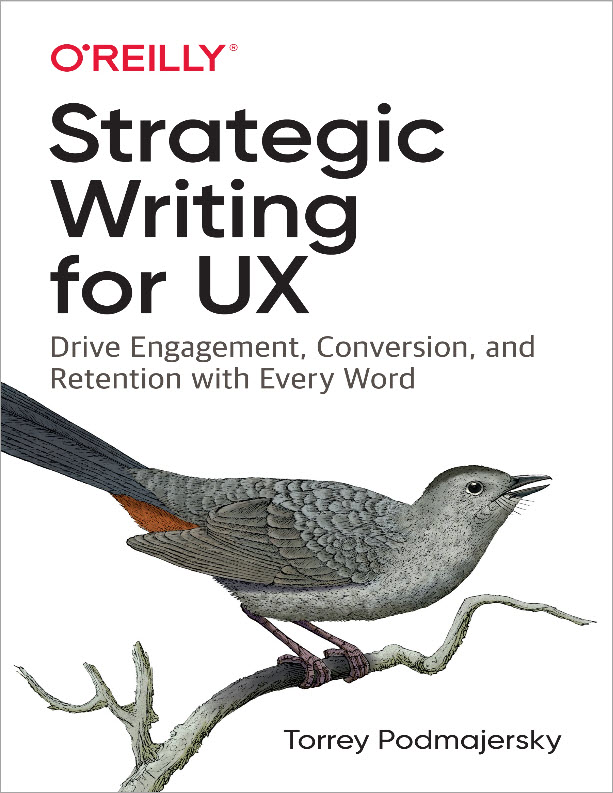
This is the book I reach for when a team keeps treating UX writing like “make it shorter” instead of “make it work.”
It teaches you to write with intent: audience, outcomes, structure, voice, and the tradeoffs behind every word. I like it because it gives you frameworks you can reuse across flows, not just one-off tips.
If you’re moving from writing screens to owning flows, this is a strong jump. It also pairs with how UX writing differs from technical writing because it clarifies what you should own inside the product versus outside it.
I usually point people to Strategic Writing for UX on Amazon because it’s the most straightforward place to grab it.
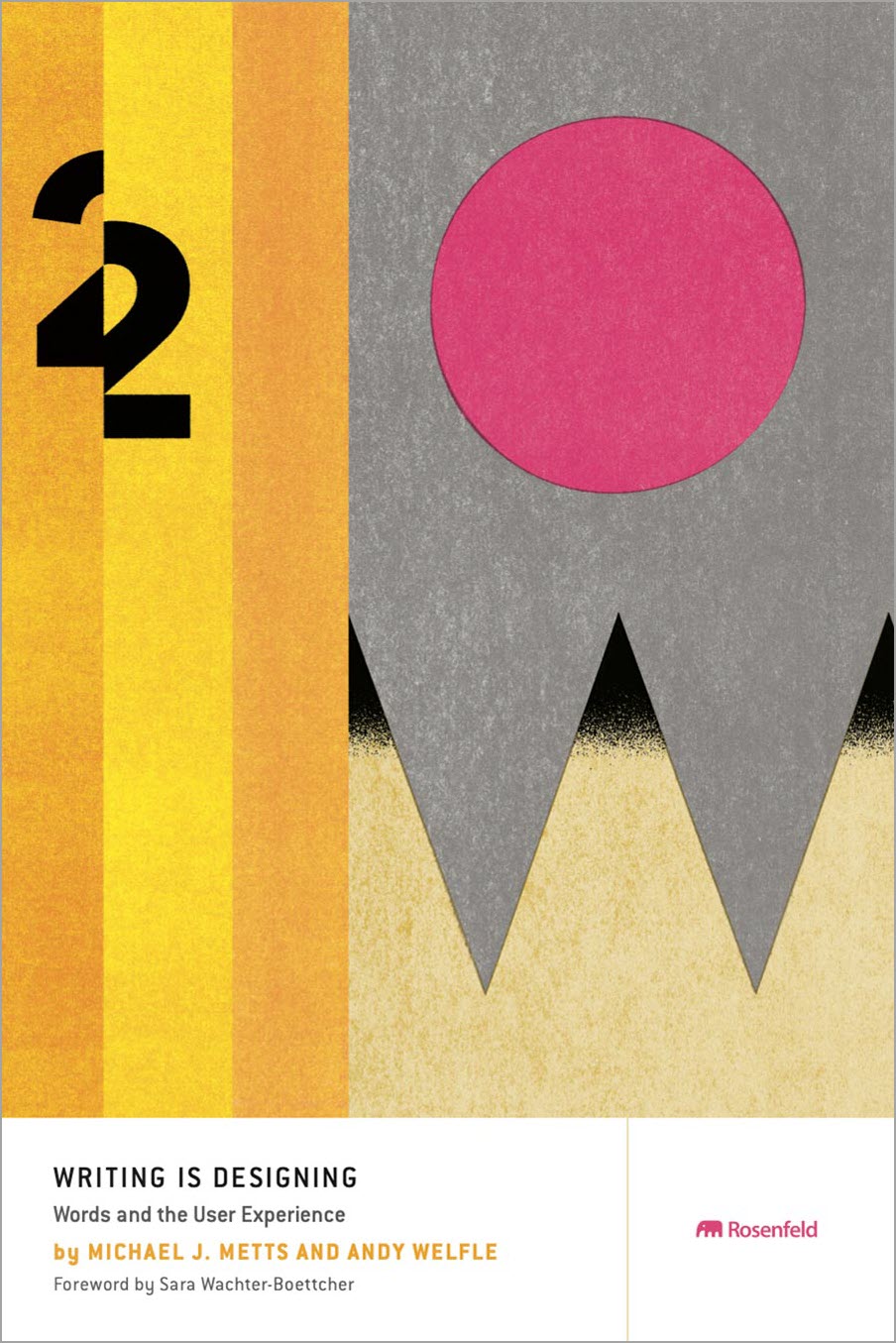
This one is the best “words are design” argument in book form. If you’ve ever felt like the writing is treated as a last-minute layer, this book helps you change that dynamic.
It’s practical, example-driven, and focused on collaboration. It also gives you language to explain why UX copy belongs in the design process, not after the design is “done.”
If you’re coming from marketing, technical writing, or content strategy and moving into product, this book helps you recalibrate. It’s also useful if you’re navigating role confusion like UX writer vs copywriter.
The cleanest option is Writing Is Designing from Rosenfeld Media.
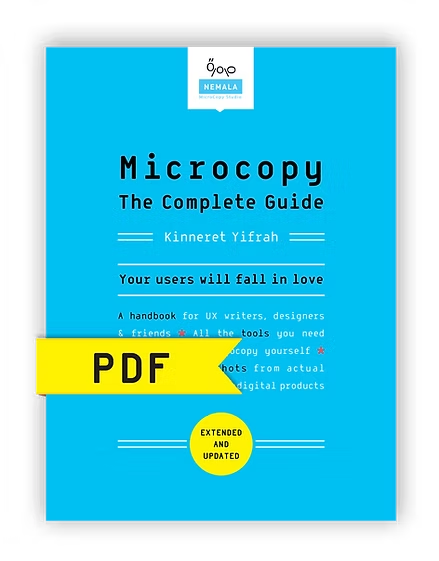
This is the microcopy pattern book. It’s the one I recommend when someone wants to improve the quality of their UI text without guessing.
It’s packed with practical patterns for interface writing, including how to guide, reassure, and reduce friction without being wordy. It also helps you develop a taste for what “helpful” microcopy actually looks like.
If you write a lot of forms, onboarding, settings screens, and error messages, you’ll get value quickly. If you’re building portfolio pieces, it pairs well with UX writer portfolio examples because it gives you concrete before-and-after opportunities.
I’d start with Microcopy: The Complete Guide from the publisher’s site.
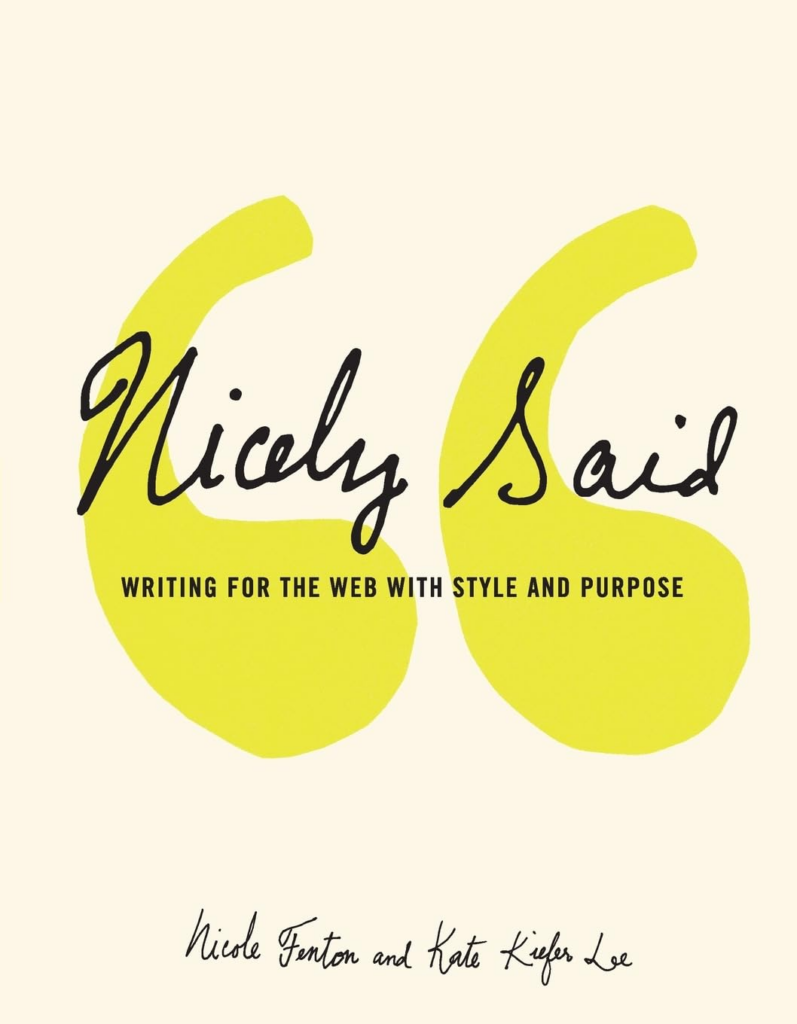
This book is a great “write like a human” reset without turning into fluffy advice. It’s especially good for voice and tone.
You’ll learn how to make writing clearer, friendlier, and more consistent across channels. It’s also useful for building a voice chart and getting teams aligned without endless debates.
If you’re responsible for voice and tone systems, or your product copy feels inconsistent across surfaces, this helps. It’s a good companion to building a product content style guide, which overlaps with the mindset in my technical writer style guide.
The easiest path is Nicely Said on the official site.
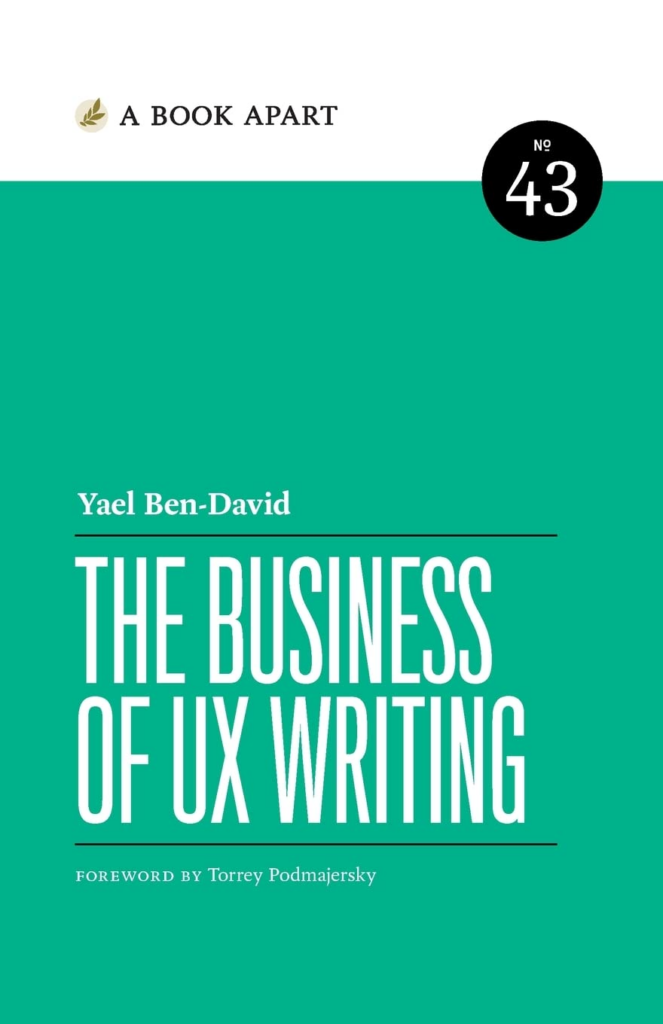
This is the book I recommend when a UX writer wants to stop being treated like “the person who writes labels” and start being seen as a strategic partner.
It focuses on positioning UX writing as business value, with frameworks for impact, collaboration, and getting buy-in. I like it because it helps you communicate why content decisions matter without sounding defensive.
If you’re mid-level and aiming for senior, this is a smart read. It also helps when you’re preparing for interviews, especially if you’re using UX writer interview questions to practice.
I’d start with The Business of UX Writing on Yael Ben-David’s site.
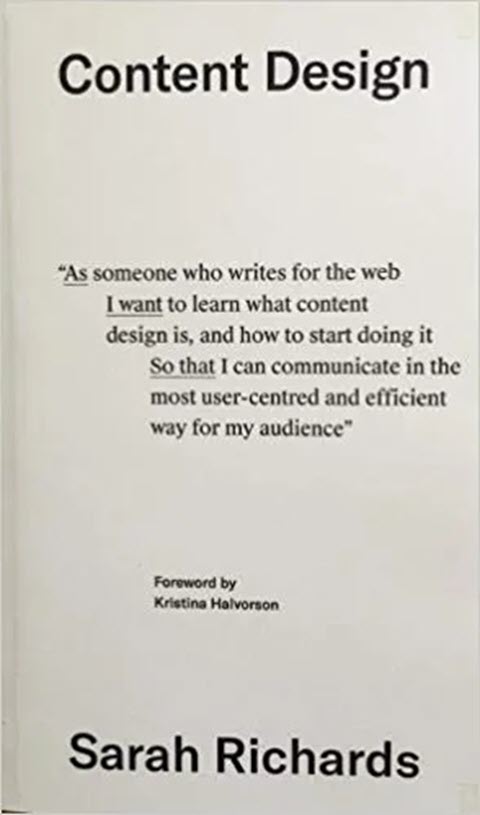
This is one of the clearest explanations of content design as a discipline, especially if you want to build content systems instead of just writing strings.
It teaches content-first thinking: user needs, journeys, structure, and how to make content decisions that scale. It’s also a good reminder that sometimes the best “UX writing” solution is changing the format, not rewriting the sentence.
If you work on navigation labels, information architecture, or multi-step flows, you’ll get a lot out of it. It’s also a strong complement to content strategy in UX.
I’d grab it through Content Design on Google Books.
This is my favorite “information is chaos, now what” book. It’s a practical guide to getting structure under control.
It teaches you how to identify the mess, define intent, and build an organization that matches reality. If you’ve ever inherited a broken taxonomy or a confusing navigation system, you’ll feel personally seen.
If you do IA work, content modeling, or product labeling, this is worth it. It also helps if your team is building a knowledge base or support center, which overlaps with how I think about technical writing examples in the real world.
A simple option is How to Make Sense of Any Mess on Amazon.
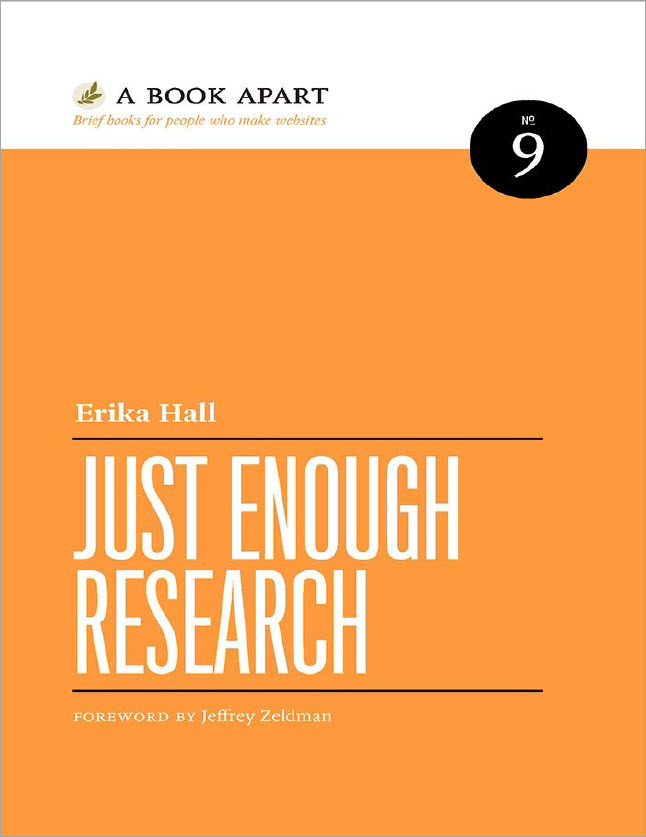
This is the “research without turning your team into a research department” book. It’s practical and very readable.
It shows you how to do lightweight research that still produces useful insight. It also helps you avoid the trap of pretending you “know the user” because someone on the team once talked to a customer in 2019.
If you want to participate more in UX research without feeling out of your depth, this is a great start. It’s especially helpful if you want your writing decisions to survive scrutiny in reviews.
I’d use Just Enough Research on Amazon.
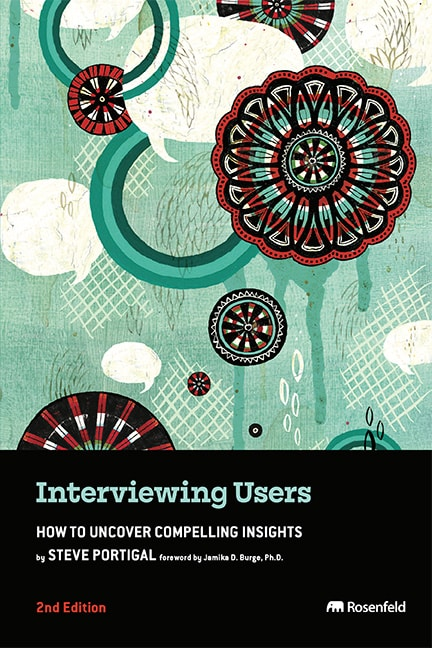
This is the interviewing playbook. If your user interviews feel awkward or unstructured, this helps fast.
It teaches you how to plan interviews, ask better questions, and turn messy notes into usable insights. I like it because it treats interviewing as a real skill, not a casual chat.
If you want to run your own research sessions or collaborate better with researchers, this book is a strong investment. It also helps when you’re building case studies for a portfolio and need to show your decision-making.
The easiest place to start is Interviewing Users from Rosenfeld Media.
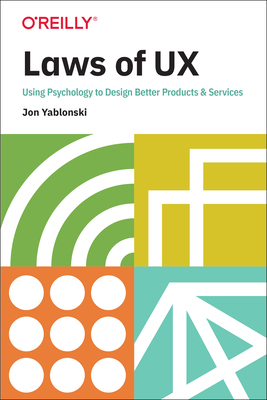
This is the design psychology cheat sheet. It’s not “UX writing” directly, but it makes your writing decisions better.
You’ll learn principles that explain why users behave the way they do, which is useful when you’re writing prompts, warnings, confirmations, and any moment where trust is fragile.
If you want to understand the why behind usability patterns, this helps. It’s also useful when you’re collaborating with designers and want a shared language.
A straightforward option is Laws of UX on Amazon.
This is the “humans are weird, plan accordingly” book. It’s a fast read with lots of practical takeaways.
It breaks down how people perceive, remember, and decide. That matters for UX writing because a lot of microcopy is basically “help the user decide and not regret it.”
If you work on onboarding, forms, and error recovery, you’ll recognize these principles immediately. It’s also good when you’re writing for stressed users, which is most users most of the time.
You can grab it via 100 Things Every Designer Needs to Know About People on Amazon.
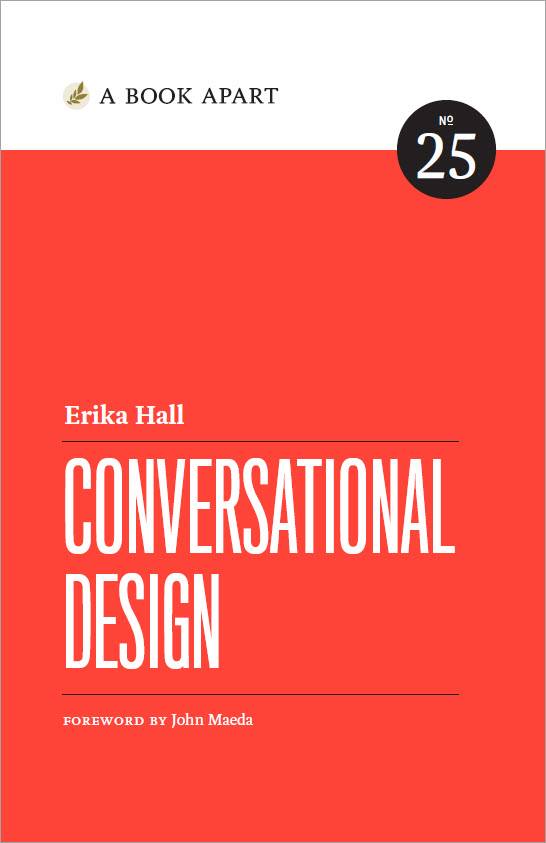
This book is a bridge between UX writing and conversational interfaces. It’s also just useful for writing more human interactions in general.
It teaches principles of conversation that translate well into UI, even if you never touch a chatbot. You’ll start thinking more about personality, timing, and how language shapes interaction.
If you write onboarding, assistant-like guidance, or microcopy that feels “chatty,” this helps you make it intentional. It also connects nicely to the AI shift, which I talk about in UX writers on the future of AI.
A simple way to find it is Conversational Design on Google Books.
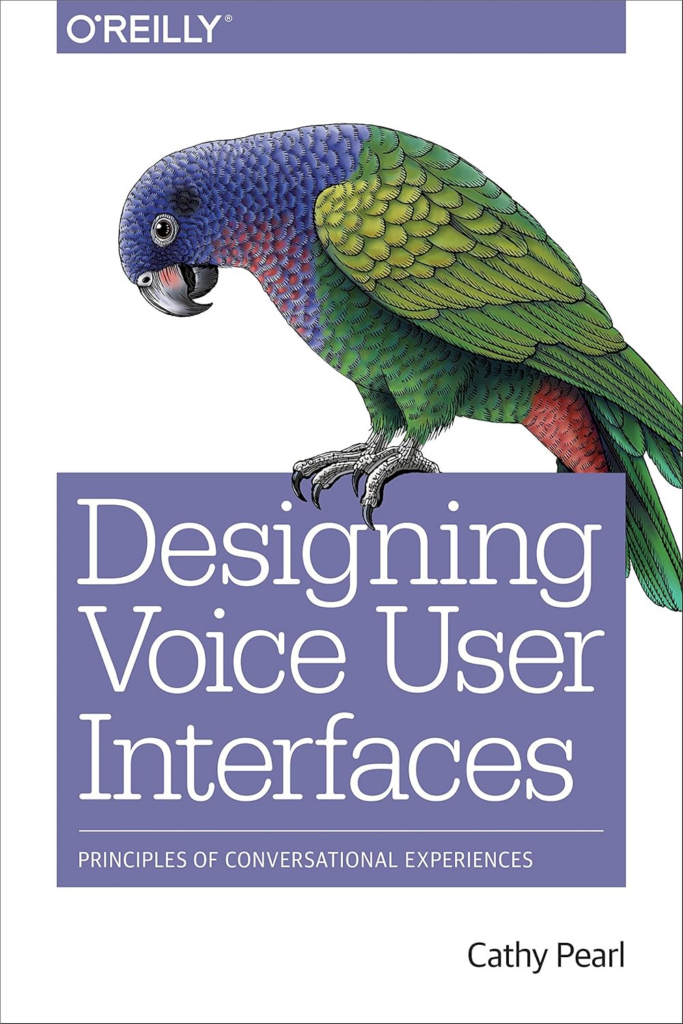
This is the specialized pick for voice and conversational UX. If you’re working on voice assistants or voice-first flows, it’s one of the better primers.
It covers VUI fundamentals, design constraints, and how to test voice experiences. I like it because it treats voice as a design space with its own rules, not just “write a dialogue.”
If your product touches voice UX, or you’re moving into conversational design roles, this gives you a strong base. It also makes you a better collaborator with conversation designers.
I’d start with Designing Voice User Interfaces on the author’s site.
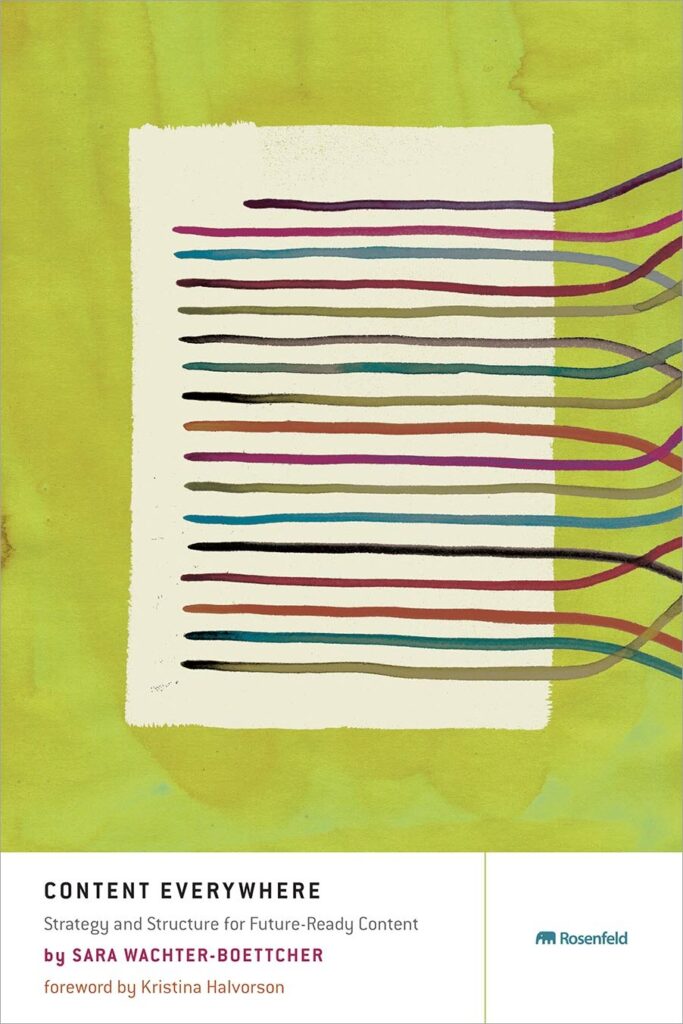
This one is about content strategy across channels. It’s very relevant when your “UX writing” is spread across product, marketing, support, and automation.
It helps you think about sustainable content that can scale across surfaces without becoming inconsistent. It also nudges you toward systems and governance, which is where content design gets real.
If you’re working on a product that has multiple touchpoints and lots of messages, this is a great read. It’s also helpful if you’re collaborating across teams that all have opinions about “voice.”
A simple option is Content Everywhere on Amazon.
Storytelling sounds fluffy until you realize you’re constantly guiding users through narratives: what’s happening, why it matters, what to do next.
It teaches you how to use storytelling techniques in UX contexts like research, IA, and interaction design. It’s less about “once upon a time” and more about “how do we make this flow make sense.”
If you’re writing onboarding flows, explanations, or product education, this book helps you structure the user’s experience. It’s also useful for writing portfolio case studies that don’t put people to sleep.
You can find it through Storytelling in Design on Amazon.
Most people buy UX writing books the way people buy dumbbells. The intention is pure, but the follow-through gets messy.
So here’s how I’d pick a book based on what you actually need right now.
If you want better microcopy, choose books that focus on patterns and evaluation. That’s where you learn how to write clearer labels, more helpful errors, and calmer onboarding without turning your UI into a novel.
If you want to level up your career, choose books that teach strategy, content systems, and stakeholder thinking. This is the difference between “I write the words” and “I design the content experience,” and it shows up in how you talk in interviews and how you scope your work.
If you want to become dangerous in a good way, add research and information architecture books. A UX writer who can handle interviews, taxonomy, and structure becomes the person teams rely on when a product gets complex.
If you’re mapping your growth, it helps to pair books with skill focus. I keep the UX writing skills that actually matter bookmarked because it makes it obvious what to practice next, and I revisit the UX writer career path breakdown whenever I’m trying to calibrate what “senior” really means.
If you’re trying to get better at UX writing, you don’t need to read 15 books in a month. Pick one book that matches your biggest gap, apply one idea to a real flow, and ship the improvement.
If you’re early in your career, I’d start with Strategic Writing for UX, Writing Is Designing, and Microcopy. If you’re aiming for senior, add The Business of UX Writing, Content Design, and a research book so you can defend decisions with evidence.
These are the questions I hear most when people are building a UX writing reading list.
Start with a book that teaches fundamentals and gives you repeatable frameworks. Strategic Writing for UX and Writing Is Designing are solid beginner choices because they explain how UX writing fits into product work.
Microcopy: The Complete Guide is the most directly useful for microcopy patterns. It’s practical, example-heavy, and easy to apply immediately to forms, errors, onboarding, and confirmations.
Nicely Said is great for learning how to write clearly while still sounding human. It also helps you build consistency across a product, which is usually where voice and tone debates start.
Just Enough Research is a good starting point if you want research that’s lightweight but still meaningful. Interviewing Users is great if you want to get serious about running interviews and turning conversations into usable insight.
Yes, because UX writing is designed with words. Books like Laws of UX and 100 Things Every Designer Needs to Know About People help you understand why users behave the way they do, which improves your writing decisions.
Pick one skill area, read with a real project in mind, and apply one technique right away. If you finish a chapter and can’t name a change you’d make in a flow, you’re reading passively instead of building craft.
Get the weekly newsletter keeping 23,000+ technical writers in the loop.
Learn UX writing and advance your career.
Please check your email for a confirmation message shortly.





















Get our #1 industry rated weekly technical writing reads newsletter.
Your syllabus has been sent to your email