Our reviewers evaluate career opinion pieces independently. Learn how we stay transparent, our methodology, and tell us about anything we missed.

Our reviewers evaluate career opinion pieces independently. Learn how we stay transparent, our methodology, and tell us about anything we missed.
If you’ve ever posted a proposal writer role and gotten a pile of “general writer” applicants, you already know the problem.
A proposal writer sits in the middle of business development, subject matter experts, pricing, and leadership. The person you hire needs to translate messy inputs into a scorable submission that meets every requirement and still tells a compelling story.
Below I included a candidate-friendly proposal writer job description you can copy, plus templates for different levels, alternative titles you might see in the market, and a few best practices for writing job posts that attract qualified people.
If you want a companion guide for candidates, link them to how to become a proposal writer so they understand the expectations before applying.
As a proposal writer, you will lead the development of proposal responses to RFPs, RFQs, tenders, and other bid opportunities. You will gather technical and business inputs from stakeholders, structure content into a compliant outline, and write clear, persuasive narratives that reflect the buyer’s requirements and evaluation criteria.
You’ll work with proposal managers, business development, subject matter experts, finance, legal, and sometimes graphic designers to produce a final submission that is accurate, consistent, and ready to score.
A proposal writer owns the writing, structure, and quality of proposal responses, while collaborating with the broader proposal team to keep timelines on track.
Here are the responsibilities that matter most in a real proposal environment:
If you want to help candidates self-screen for the reality of the role, consider linking to proposal writer interview questions in your post to set expectations.
Most strong proposal writers have a mix of writing craft, project discipline, and stakeholder management.
Proposal writers should be able to write clear, persuasive business content under deadline pressure. Translating SME inputs into a single coherent voice with clean structure and scannable headings is essential. They must also follow compliance requirements for RFPs, including page limits, formatting guidelines, required file types, and submission rules. Building and maintaining proposal structures through outlines, storyboarding sessions, and content libraries is part of the role, along with collaborating across stakeholders with calm communication and a bias toward clarity.
Employers often request a bachelor’s degree in fields like English, Communications, Marketing, Business Administration, or related areas, but professional experience writing proposals, bids, or similar structured responses is a stronger predictor of success. Experience with Microsoft Office and proposal management tools is commonly expected, while familiarity with CRM systems or proposal automation software can be a useful bonus depending on the organization’s workflow.
Preferred qualifications should make a candidate more effective, not just add fluff. Here are examples that tend to be useful:
If you mention APMP, it helps to link directly to the credential so candidates understand what you mean.

Proposal writer compensation varies by industry, geography, specialization, and how close the role is to high-value contracts.
Many organizations hire proposal writers as:
Instead of guessing at numbers in your post, you can link our guide on proposal writer salaries in your post. This also reduces back-and-forth early in the process.
If you’re recruiting, it helps to include alternative titles so qualified candidates can find the job post. Alternative titles you may see:
A good job post clarifies reporting lines too, for example “reports to the Proposal Manager” or “reports to the Director of Proposal Operations,” so candidates can understand seniority and expectations immediately.
Most proposal job posts fail because they are vague. The fastest way to improve yours is to write it like a candidate-centric job description.
Say what the writer will work on: government bids, private sector RFPs, renewals, tenders, or grant proposals. Also clarify whether the audience is procurement, evaluators, executives, or technical reviewers.
Good candidates want to know how you run proposals. Mention the proposal development lifecycle, review stages (pink team, red team, or equivalents), and what tools you use for compliance and version control.
Use common keywords candidates search for: RFP response, compliance matrix, executive summary, win themes, proposal management tools, and content libraries. That’s SEO for job posts, but it also helps candidates self-select accurately.
Strong candidates care about how performance is judged. Include a line about metrics like on-time submission, compliance quality, content reuse governance, or win rate contributions, even if the writer doesn’t own the win rate directly.
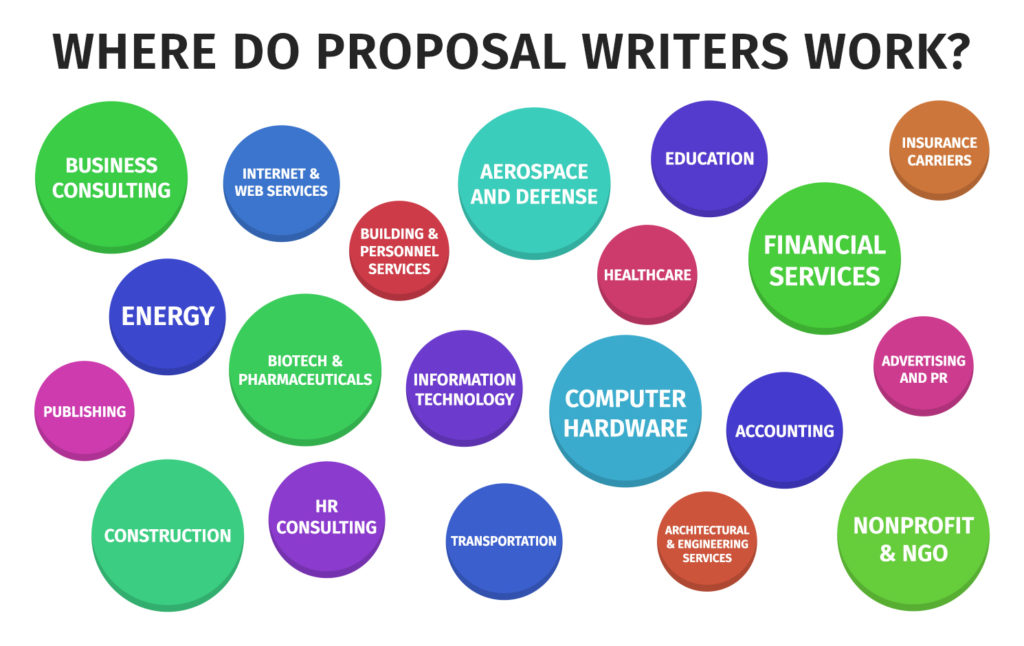
Below are three job description templates you can adapt. I’m keeping these in clean blocks so you can copy and paste into your ATS or job board.
Job Title: Proposal Writer (Entry-Level)
Reporting Line: Proposal Manager or Proposal Lead
Support the proposal team by drafting and editing proposal sections, organizing inputs from subject matter experts, and assisting with compliance checks to ensure submissions meet all requirements.
You will draft assigned proposal sections using outlines and templates, incorporate reviewer feedback, and help maintain content libraries and reusable content. You will support formatting, version control, and basic QA checks under the guidance of senior proposal staff.
Strong writing and editing skills, attention to detail, and comfort working in a deadline-driven environment. Familiarity with Microsoft Office is expected. Exposure to proposals, bids, or structured writing is helpful, even if from coursework, internships, or volunteer positions.
Job Title: Proposal Writer
Reporting Line: Proposal Manager
Own the development of proposal narratives for RFP responses, including requirements analysis, structured drafting, stakeholder coordination, and quality assurance.
You will lead section drafting for technical approach, management approach, and executive summary content, using win themes and proof points aligned to evaluation criteria. You will run drafting and review cycles with SMEs, maintain a compliance matrix, and complete proposal compliance checks prior to submission.
Demonstrated experience writing proposal responses and managing feedback across stakeholders. Strong project management habits, version control discipline, and the ability to edit SME inputs into a unified voice. Experience with proposal management tools or proposal automation software is a plus.
Job Title: Senior Proposal Writer or Lead Proposal Writer
Reporting Line: Director of Proposal Operations or Head of Proposal Management
Lead high-value proposals end to end by driving response strategy, shaping proposal story and win themes, mentoring writers, and raising quality standards across the proposal function.
You will lead major bid responses and guide the proposal narrative to be compliant and differentiated. You will coach other writers, improve playbooks and templates, and partner with leadership on solution positioning. You will also contribute to continuous improvement through content audits, lessons learned, and proposal process optimization.
Deep experience in proposal writing and review leadership, including complex stakeholder management and deadline execution. Strong strategic planning, persuasive writing, and the ability to identify what evaluators care about. APMP certification or equivalent training is a plus.
If you want to give candidates a realistic view of the growth path attached to these templates, include our guide on the proposal writer career path in your post.
An effective proposal writer job description goes beyond listing tasks. By specifying proposal types, key skills, and success metrics, you can attract the right talent and set clear expectations. Whether hiring for entry-level or senior roles, a well-crafted post with clear responsibilities and growth opportunities will help you find candidates capable of delivering high-quality, compliant, and persuasive proposals. The templates and tips in this guide provide a strong foundation to create job descriptions that resonate with top talent.
Here I answer the most frequently asked questions about proposal writer job descriptions.
If the role is proposal-heavy, a writing exercise is usually worth it. Keep it scoped and realistic, like rewriting a short section for clarity and compliance, or drafting a one-page response from a prompt with clear requirements.
List what your team actually uses, especially Microsoft Office, proposal management tools, proposal automation software, and any content library or knowledgebase systems. If you use a compliance matrix or dashboards for deadlines, mention that too, because strong candidates will recognize the workflow maturity.
Proposal writers primarily own drafting, editing, and narrative quality. Proposal managers own the entire proposal lifecycle, including schedule, assignments, review facilitation, and submission readiness. In many organizations, senior writers grow into proposal manager responsibilities over time.
Be explicit about the proposal types, the process, and the expectations. Candidates don’t just want a list of duties, they want to know what a normal week looks like, how reviews work, and what success looks like in the first 60 to 90 days.
Suppose you are new to proposal writing and are looking to break in. In that case, we recommend taking our Proposal Writing Certification Course, where you will learn the fundamentals of being a proposal writer and how to write winning proposals.
Get the weekly newsletter keeping 23,000+ technical writers in the loop.
Learn proposal writing and advance your career.
Please check your email for a confirmation message shortly.





















Get our #1 industry rated weekly technical writing reads newsletter.
Your syllabus has been sent to your email