Our reviewers evaluate salary independently. Learn how we stay transparent, our salary methodology, and tell us about anything we missed.

Our reviewers evaluate salary independently. Learn how we stay transparent, our salary methodology, and tell us about anything we missed.
I’ll start this one with a fast rule of thumb: build a track record (wins + clean compliance), learn the tools, and get comfortable owning the “process” side of proposals, not just the writing.
Easy right? Well, depends on how you look at it. To help you out, I’ll go over average salary rates, but more importantly, I’ll teach you how to read salary numbers that you find online.
If you want insights on what the role entails, read my overview of what a proposal writer does and then come back here.
If you’ve ever looked up proposal writer pay and thought, “Why does every site say something different?”, you’re not crazy. Some sites rely on employer and employee submissions, others scrape job postings, and each one defines “proposal writer” a little differently.
Here’s what recent national data typically shows, depending on the source:
My practical takeaway: use these numbers to set a range, then anchor yourself in your specific lane. A proposal writer supporting defense contractors in the DC area is playing a different salary game than someone writing smaller commercial bids for a local services firm.
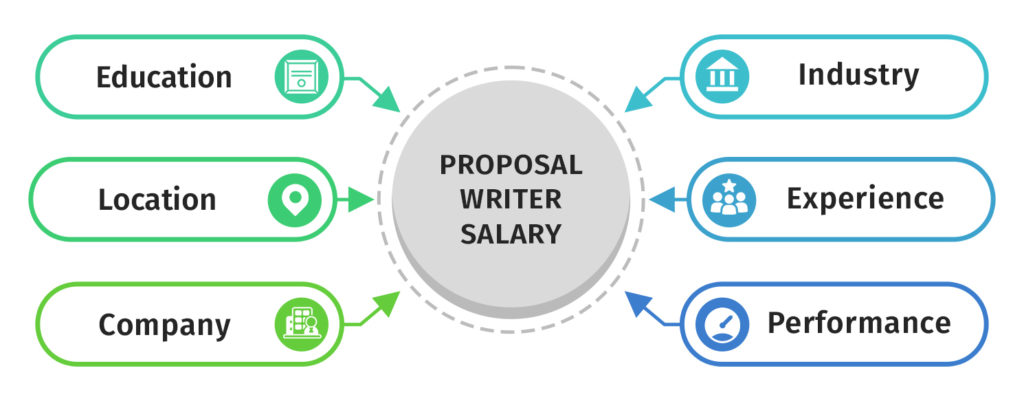
Most proposal writer compensation ends up looking like a band, not a single number. When I’m coaching someone through expectations, I usually frame it like this:
Entry-level proposal writers tend to land in a range where you’re paid for writing, organization, and learning the workflow quickly (intake, outlines, compliance, reviews). Mid-level writers get paid for judgment and autonomy. Senior writers get paid for speed, accuracy, and leadership under deadline pressure.
If you want a “sanity check” for typical midpoints and ranges, Salary.com’s proposal writer salary research is useful because it shows a more conservative midpoint and range than some of the crowd-sourced sources.
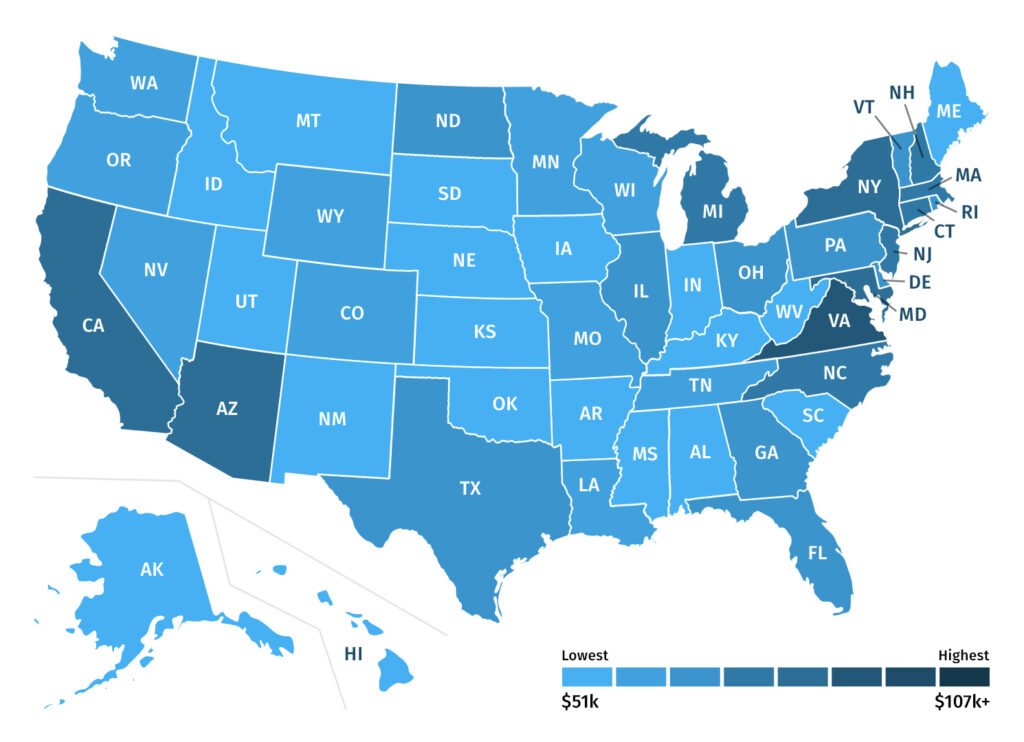
Location still matters, even with remote work, because companies often pay within bands tied to local market rates. Salary datasets show the following trends in key cities:
One quick note from experience: in proposal work, “location” can also mean “clearance lane” or “federal vs commercial.” Two writers living in the same city can end up in totally different pay bands depending on that.
Industry is one of the biggest multipliers for proposal writer pay. In general, industries with larger contract values, heavier compliance burdens, and longer buying cycles tend to pay more.
A few examples of employers people commonly associate with proposal work include:
If you’re evaluating companies, I’d look for signals that proposal writing is treated as a professional discipline (process, tools, review standards), not “writing that happens at the end.” Those teams usually invest more and compensate better.
In proposal writing, seniority is less about years and more about ownership.
If you’re trying to map the broader ladder, I break it down in my guide on the proposal writer career path.
This is the part most people underestimate. The writers who earn more usually do at least one of these well: reduce risk, increase win probability, or speed up delivery without sacrificing compliance.
Here are the skill clusters I see tied to higher pay:
Career.com summarizes how certain skills can correlate with higher pay in their proposal writer salary guide, and I agree with the spirit of it: the closer your work is to revenue impact, the more leverage you have in compensation conversations.
If you want the most direct “salary lever,” it’s this: become the person who makes messy pursuits feel calm. That’s rare, and teams will pay for it.
Salary matters, but the benefits package is where compensation gets real. In proposal-heavy environments, I see benefits and perks commonly include health coverage, retirement contributions, generous PTO, and remote or hybrid flexibility. Some teams also offer bonuses tied to performance, win rates, or company results.
PayScale is also useful if you want a quick snapshot of reported benefits and basic demographics, like on their Houston proposal writer page (just remember: those samples can be small, so I treat it as directional, not definitive).
Job satisfaction tends to hinge on one thing: whether your organization respects the proposal process. When the team plans early, runs clean reviews, and doesn’t treat writers like “last-minute fixers,” the job can be genuinely satisfying. When everything is a fire drill, burnout shows up fast.
Proposal writing has a nice upside because it connects to leadership paths that aren’t strictly “writing.” Common next steps include:
If you want a practical overview of what those roles look like, check out my breakdown of the proposal writer job description and the longer roadmap on how to become a proposal writer.
One personal observation: early in my career, I wrote software documentation for video editing pros who had zero patience for fluff. That experience taught me something proposal teams reward too: make complex things scannable, defensible, and easy to evaluate. The writers who do that consistently are the ones who move up.

If you’re already working in proposals, here are the moves I’ve seen pay off the fastest:
If you want a preview of what hiring managers tend to reward (and ask about), my proposal writer interview questions guide will give you a clear sense of the signals they’re listening for.
Proposal writer pay is one of those topics where averages can be misleading. The better question is: what kind of proposal writer are you becoming?
If you’re building strong process habits, learning the tools, and writing in a way that makes evaluators’ lives easier, you’ll usually have more leverage than you think. And if you can do that under pressure without turning into a chaos magnet, you’ll be in the group that keeps getting better offers.
Here I cover the most frequently asked questions about proposal writer salary.
They can, especially once you’re leading full proposals and not just supporting sections. Industry and location matter a lot, and federal or highly regulated work usually lifts the ceiling.
Proposal managers typically earn more because they own delivery, schedules, reviews, and stakeholder alignment across the whole response. Many writers move into proposal management once they’ve proven they can run a clean process.
Bonuses are more common than commissions. Some companies offer performance bonuses tied to company results, proposal throughput, or role-level performance, but it varies widely by employer.
It can be, mostly because of deadlines and shifting priorities. The stress level depends heavily on whether the organization has a mature process and whether leadership plans pursuits early.
Bring proof. Wins are great, but so are operational metrics: fewer compliance issues, faster cycles, cleaner reviews, and reusable content systems. When you can show you reduce risk and increase speed, negotiation gets a lot easier.
If you are new to proposal writing and are looking to break-in, we recommend taking our Proposal Writing Certification Course, where you will learn the fundamentals of being a proposal writer and how to write winning proposals.
Get the weekly newsletter keeping 23,000+ technical writers in the loop.
Learn proposal writing and advance your career.
Please check your email for a confirmation message shortly.





















Get our #1 industry rated weekly technical writing reads newsletter.
Your syllabus has been sent to your email