Our reviewers evaluate writing services independently. Learn how we stay transparent, our methodology, and tell us about anything we missed.

Our reviewers evaluate writing services independently. Learn how we stay transparent, our methodology, and tell us about anything we missed.
Hiring a grant writer is not like hiring a blog writer. It’s a different game.
The writer in question must be a master of compliance, understand funding strategy and eligibility criteria, and stay on top of deadlines at all times. And let’s not forget funding priorities and reporting obligations.
In this guide, I’ll break down the best platforms to hire a grant writer, how they compare, and how to vet candidates.
I’ve seen beautifully written applications fail because they ignored eligibility requirements. I’ve also seen straightforward, compliance-focused proposals secure six-figure awards. So what’s the deciding factor?
I know that, in the world of grant writing, surface-level credentials don’t mean much. Instead, it’s a hybrid skill consisting of technical writing, persuasive positioning, budget alignment, and regulatory compliance.
Finding the right professional(s) is a high-stakes game. The platforms I have selected below can move the odds in your favor. They support structured collaboration, secure payment systems, and professional vetting. But remember: the platform matters less than your evaluation process.
11 different platforms sound like a lot. Choosing the best fit (and the best candidate) will depend on several factors:
Always remember this when considering the best way forward. So let’s get started.

Upwork is one of the largest freelance marketplaces and includes thousands of grant writers across nonprofit, research, and government funding niches.
You can hire for one application. You can also structure milestone-based contracts for ongoing submissions.
I picked Upwork because of its flexibility. You can filter by experience, review grant-specific portfolios, and manage deadlines internally. It also has a safe and reliable payment system.
Learn more: Check out Upwork on their website.
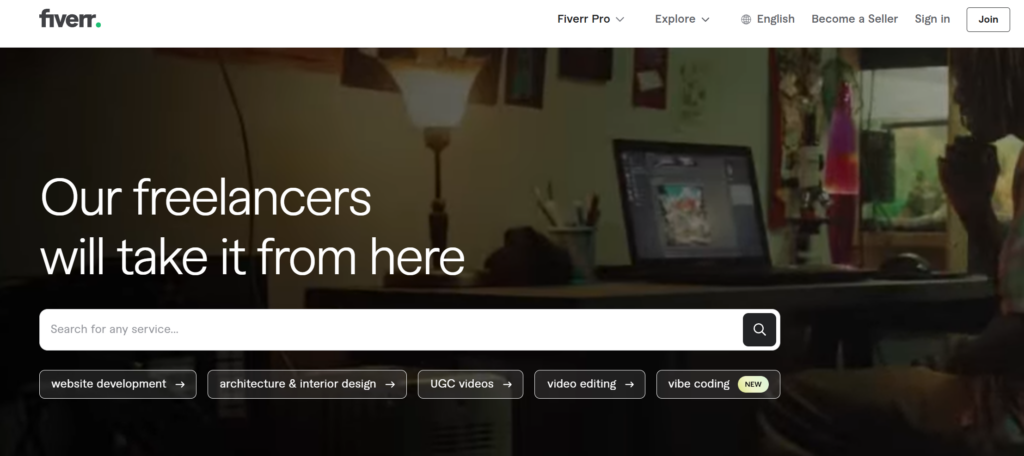
Fiverr operates on a gig-based model. Grant writers list fixed-price packages such as “Federal grant application up to 5,000 words” or “Grant proposal review and editing.”
I picked Fiverr for smaller organizations or early-stage nonprofits applying for modest grants. The transparent pricing structure makes budgeting easier, especially when funding is tight.
For larger federal or foundation grants, you’ll need to be more careful. I recommend vetting or using Fiverr Pro listings.
Learn more: Check out Fiverr on their website.
Freelancer uses a competitive bidding system. You post your grant opportunity and receive proposals from writers outlining experience and pricing.
It’s useful when a budget comparison is important. You’ll quickly see the pricing range for similar grant projects. However, screening is critical. Grant compliance mistakes are expensive.
Learn more: Check out Freelancer on their website.

Guru focuses on proposal-based hiring with structured agreements. Grant writers can outline their methodology, timeline, and budget alignment approach before you commit.
I like Guru when you want a side-by-side comparison of proposals. It encourages structured thinking rather than vague bids.
Learn more: Check out Guru on their website.
Toptal positions itself as a premium freelance network with a rigorous vetting process. This sets it apart from very large but sometimes risky platforms.
Grant writing is high stakes. If you’re applying for major federal funding or foundation grants, reducing screening time matters. You want the best of the best.
Toptal’s screening model raises the baseline quality.
Learn more: Check out Toptal on their website.

LinkedIn isn’t famous for being a freelance marketplace, but it’s one of the most powerful sourcing tools available. Most professionals are on it. Many experienced grant writers operate as independent consultants and market themselves directly on LinkedIn. Take advantage of that.
I chose LinkedIn because it lets me review employment history, check recommendations, and see published work at a glance. For nonprofit and institutional grants, experience matters more than platform ratings.
Learn more: Check out LinkedIn on their website.
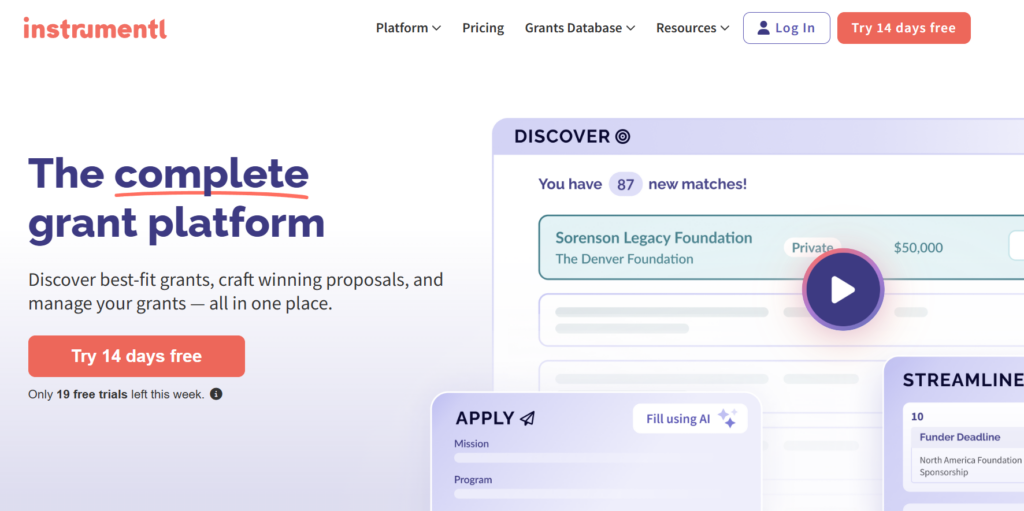
Here it gets a bit more specialized. Instrumentl is primarily a grant prospecting platform. It also connects organizations with grant consultants and writers.
I like Instrumentl when grant discovery and grant writing strategy need to align. It’s helpful if you want funding for research plus writing support. If was just starting out, this would be my best bet.
Learn more: Check out Instrumentl on their website.
GrantWriterTeam operates more like a service-based agency than a marketplace. You’re not assembling a team but instead hiring the whole thing outright. The said team then handles drafting, compliance, and the preparation of submissions.
I picked GranntWriterTeam because it offers organizations a plug-and-play option. If your business has little to no internal grant expertise, a managed service reduces risk.
Learn more: Check out GrantWriterTeam on their website.

Another one if you prefer ready-made solutions. The Urban Writers offers packaged writing services, including grant writing support.
Depending on the size of the project as well as its deadline, I often prefer defined packages and predictable pricing instead of open-ended consulting.
It works well for smaller or standardized grant formats.
Learn more: Check out The Urban Writers on their website.

PeoplePerHour blends hourly contracts with project-based hiring. It makes it easy to scale up and down, depending on the volume of work necessary to complete your project.
The previous two entries on the list put emphasis on simplicity. PeoplePerHour, on the other hand, offers flexibility similar to Fiverr and Upwork combined. You can hire for editing support, research assistance, or full proposal drafting.
Learn more: Check out PeoplePerHour on their website.

WriterAccess is known for content marketing, but it also supports long-form and structured writing projects, including grant proposals and nonprofit documentation. The platform combines a freelance marketplace with workflow management tools, which makes it easier to coordinate drafts, revisions, and internal reviews.
I will choose this one whenever grant writing is part of a broader communications strategy. It offers more structure for creating impact reports, donor communications, and compliance documentation.
The filtering tools allow you to search by industry experience, writing style, and ratings, which can help narrow down candidates with nonprofit or government funding backgrounds.
Learn more: Check out WriterAccess on their website.
Grant writers provide:
They reduce the risk of rejection due to formatting errors, missing documentation, or eligibility misunderstandings.
Compared to training internal staff, hiring an experienced grant writer can be more cost-efficient for high-value applications.
Pricing varies significantly. You’ll see per-project pricing, per-word pricing, hourly contracts, subscription models, and platform service fees.
When working on a grant project, I always evaluate total cost, which includes: revision limits, consultation hours, research time, and platform commissions. Cheap upfront pricing can become expensive if revisions and compliance fixes pile up.
This is where most organizations go wrong. Grant writing is not generic writing. If you’re applying for NIH funding, foundation grants, or state-level programs, domain familiarity matters.
I recommend reviewing past successful grants (if confidentiality allows) and asking about win rates. You should also consider running a paid discovery session and confirming familiarity with your funding source.
Clarity attracts quality. Make sure you define the grant name and funding body, the deadline, required attachments, budget details, and eligibility criteria.
Use milestone-based payments tied to draft completion, revisions, and final submission readiness.
At the end of the day, structured communication reduces misunderstandings.
Hiring a grant writer is not a shortcut. It’s a strategic investment in funding success.
The right grant writer aligns your mission with funder priorities, protects you from compliance errors, and increases your probability of award.
Choose based on process, transparency, and expertise, not just price.
Here I answer frequently asked questions about platforms for hiring grant writers.
Yes, if you use secure payment systems and formal contracts. Most platforms provide escrow protection.
Costs vary widely. Smaller grants may cost a few hundred dollars, while federal proposals can run several thousand dollars, depending on complexity.
No ethical grant writer guarantees funding. They can improve your application quality, but funding decisions depend on review committees.
In most professional agreements, you retain ownership of the proposal after payment. Confirm this in writing.
Freelancers offer flexibility and often lower costs. Agencies provide structured oversight and may reduce risk for complex, high-value grants.
Get the weekly newsletter keeping 23,000+ technical writers in the loop.
Learn grant writing and advance your career.
Please check your email for a confirmation message shortly.





















Get our #1 industry rated weekly technical writing reads newsletter.
Your syllabus has been sent to your email