Our reviewers evaluate career opinion pieces independently. Learn how we stay transparent, our methodology, and tell us about anything we missed.

Our reviewers evaluate career opinion pieces independently. Learn how we stay transparent, our methodology, and tell us about anything we missed.
Early on, I treated grant proposals like essays, and I paid for it with avoidable rejections: missing attachments, unclear project goals, and budgets that didn’t match the narrative. Once I started treating grant writing like a repeatable process, everything got easier to manage and easier to improve.
If you want a broader intro first, start with my full guide on grant writing. If you want ready-to-use assets, keep my grant writing templates nearby while you work through the steps below.
A grant is funding tied to a purpose, a timeline, and reporting expectations. Your proposal is the “proof packet” that shows the funder what you’ll do, who benefits, how you’ll measure impact, and why your organization can actually deliver.
The fastest way to think about the grant writing process is this: you’re reducing reviewer uncertainty. Clear structure, relevant data, and a realistic action plan make it feel safe to fund you.
Before you write a single paragraph, confirm who can apply and who should own the work.
Eligibility depends on the funding opportunity, but common eligible organizations include nonprofits, schools, universities, local governments, and sometimes tribal entities or faith-based organizations. Some grants are also open to individuals, especially in research and scholarship contexts.
If you’re not eligible on paper, you still might be eligible through a fiscal sponsor. Fiscal sponsors let smaller projects apply under an eligible organization’s umbrella, but you’ll need clean agreements and shared expectations up front.
In real life, a grant proposal is rarely written by one person alone. The writing might be owned by a development coordinator, a grants specialist, or a dedicated grant writer, but the content comes from program staff, finance, and leadership.
You’ll also see volunteer grant writers, freelance grant writers, and grant writing consultants. If you’re trying to decide which path you’re on, my overview of what a grant writer does lays out the responsibilities and workflow reality.
A background in communications helps because grant writing is persuasion under constraints. Project management skills help because a proposal is a mini-project with deadlines, approvals, and dependencies.
The biggest “surprise skill” is budgeting comfort. You don’t need to be an accountant, but you do need to explain costs clearly and keep the budget narrative aligned with the project narrative. If budgeting is your weak spot, use my grant proposal budget template guide as your default safety net.
Grant writing is fundraising, but it behaves differently than most nonprofit fundraising methods.
Individual donors and public appeals often rely on relationship-building, emotion, and repeated touchpoints. Grants rely on structured proposals, scoring criteria, compliance rules, and funding cycles you can’t control.
The healthiest model is a mix of revenue streams. I like grants for project-specific funding and capacity-building, then I like donor programs and events for flexible support and resilience when a grant cycle doesn’t go your way.
If you skip planning, you’ll “pay” later with rewrites. Do a quick audience analysis by reading the application guide and review criteria like a reviewer. Then draft a proposal outline before you write full paragraphs, because structure prevents rambling and keeps your message clarity intact.
Finally, treat editing and proofreading as part of the process, not something you do at the end if you have time. If your application has tight deadlines, build in peer review early so you’re not fixing context errors the night before submission.
If you want the practical day-to-day habits, I also keep a detailed list in my grant writing tips.
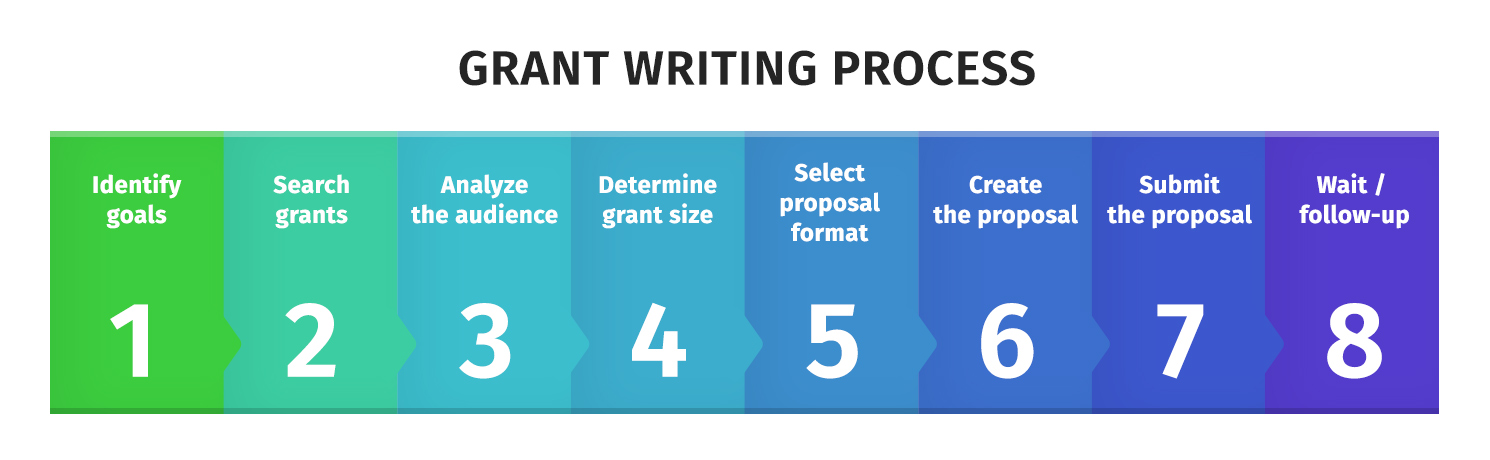
Here’s the repeatable system I use. It works whether you’re applying for government grants, foundation grants, or corporate programs, because the logic stays the same even when the format changes.
Start with goal identification. What are you trying to accomplish, who are the beneficiaries, and what does success look like in measurable terms?
Then sanity-check mission match. If the funding opportunity doesn’t align with your mission statement and philanthropic goals, you’re probably writing a cold proposal that will waste time.
A simple test I like: if you can’t explain the project in two sentences, you’re not ready to write the grant proposal yet.
This is where you avoid heartbreak. Confirm eligibility requirements early, including organization type, geography, program focus, and any registration requirements.
Then check readiness. Do you have the staff, systems, and capacity to administer a grant, track outcomes, and report back cleanly? If the answer is “maybe,” tighten the project scope or choose a smaller opportunity.
If you want examples of what “ready” looks like, review a few successful grant writing examples and pay attention to how they present staffing and implementation detail.
Grant searching is not a one-off activity. It’s a pipeline. I recommend tracking opportunities with basic fields: funder, deadline, funding amount, eligibility, match requirements, required attachments, and review criteria. This makes it easier to prioritize the right opportunities instead of chasing every funding opportunity notice that crosses your desk.
For US federal opportunities, Grants.gov Workspace is a common application system and is worth understanding even if you don’t apply there every day.
This is where proposals become “fundable.” Read the application guide and scoring rubric, then write to what gets scored.
Reviewers are not reading for beauty. They’re reading for evidence that your solution fits the funders’ priorities and that you can execute it with a clear plan.
If you’re writing for research-oriented funders, take formatting and conformance seriously. Agencies like NSF explicitly enforce proposal preparation requirements and conformance rules.
This step is where your proposal becomes believable. Define your specific aims, project goals, action plan, and the sequence of work.
Then build the project budget and project timeline based on real assumptions. If you need three staff, you should be able to explain what those people do in the project narrative, and when they do it.
If you’re budgeting from scratch, don’t guess. Use a structure that forces alignment, like my grant proposal budget template.
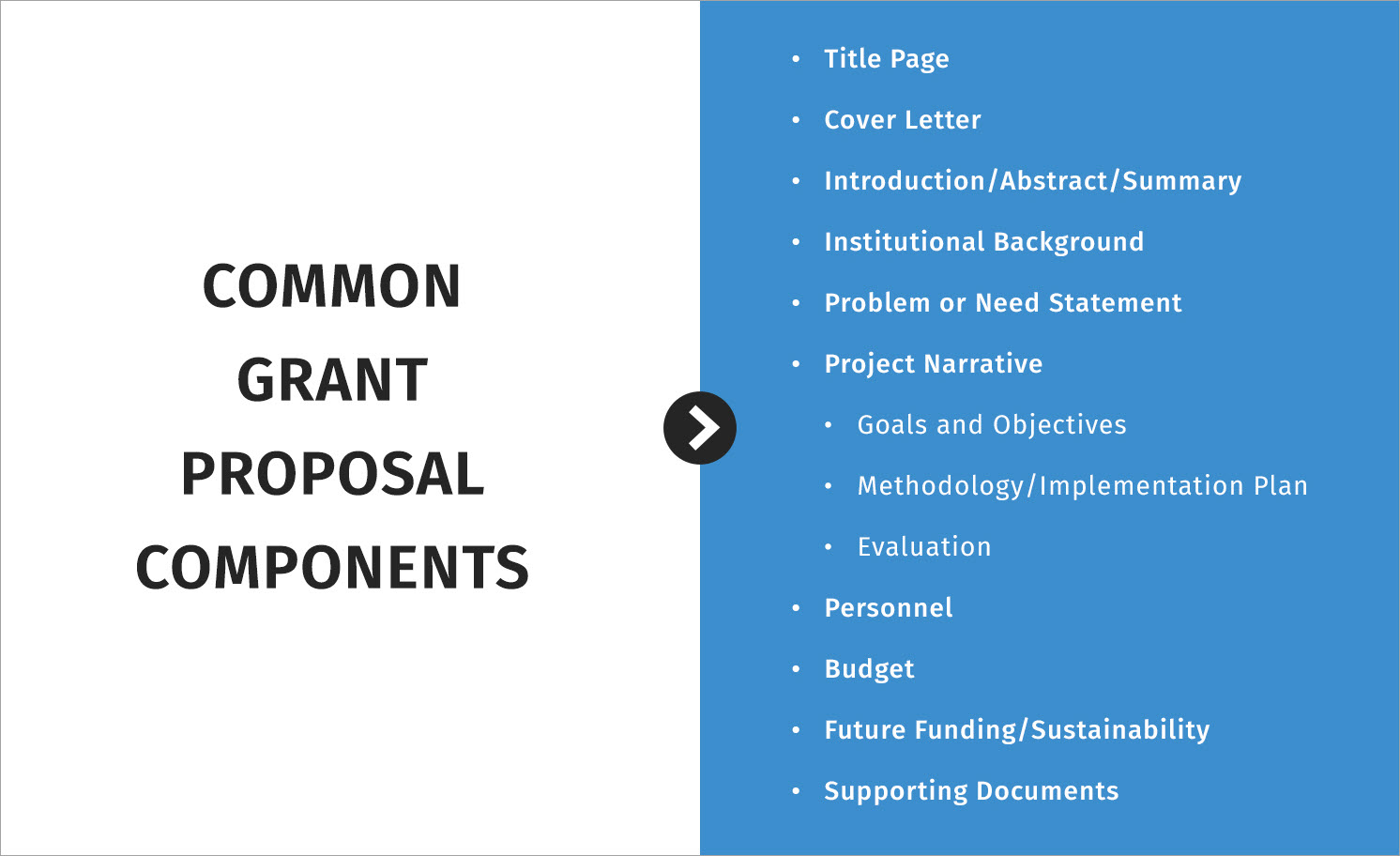
Now you write, but you’re filling in a plan, not inventing one. Most proposals include a proposal summary or executive summary, organizational background, statement of need, project description, methodology, evaluation plan, sustainability plan, and appendices or attachments. Your exact sections will depend on the funder-specific guidelines, so follow the application format precisely.
If you want a tight writing workflow for the narrative itself, use my 8-step guide to writing a grant proposal. Although similar, it’s designed to keep you from over-writing and under-explaining, so it should work as a nice follow-up.
This is where most winning proposals are made. I do three passes. First, I check logic and completeness: are we missing background information, attachments, or a clear link between activities and outcomes? Second, I check alignment: does the budget narrative match the project narrative and timeline? Third, I proofread for grammar, clarity, and consistency.
Peer review is the easiest “skill multiplier” here. If you’re working with specialists, ask them to validate the parts they own, especially evaluation language and any technical claims.
If you need training on the editing side, structured learning helps. My grant writing certification includes real revision practice and proposal checklists you can reuse.
Submission is not just clicking a button. It’s compliance. For many federal grants, organizations must complete steps like entity registration, and SAM.gov explicitly states that registration is needed to apply for federal awards as a prime awardee.
If you’re submitting through Grants.gov Workspace, learn the mechanics early so you’re not troubleshooting at the deadline. Grants.gov documents how Workspace submission works, including the “Sign and Submit” action.
After submission, document what you sent, save versioned files, and capture what you’d improve next time. If you get reviewer feedback, treat it like free consulting and incorporate it into your templates.
If you’re new, the fastest path is structure plus reps plus feedback. Start by building a small portfolio of sections: a strong statement of need, a project narrative, and a budget narrative. If you want a step-by-step plan, use my guide on how to become a grant writer without experience and focus on producing artifacts, not just reading.
If you learn best with courses, I keep an updated list of grant writing classes so you can pick a program that matches your experience level.
Grant writing gets easier when you stop treating it like a one-time writing task and start treating it like a repeatable system. The writing matters, but the process is what protects your time, reduces errors, and increases your win rate.
If you want a simple starting point, follow the eight steps above and build a checklist you reuse. That single habit will make your next proposal faster, cleaner, and more fundable.
Here I answer the most frequently asked questions about the grant writing process.
Eligibility depends on the funding opportunity, but nonprofits, schools, universities, and government entities are common eligible organizations. Some opportunities also accept individuals, and many projects can apply through fiscal sponsors if direct eligibility is a barrier.
If you can, assign one owner for the proposal writing and coordination, then pull content from program staff, finance, and leadership. Organizations often use in-house grants staff, volunteer grant writers, freelance grant writers, or grant writing consultants depending on capacity and budget.
Starting to draft before planning. Skipping goal identification, eligibility requirements, and a clear outline usually leads to a vague narrative, weak budget narrative alignment, and rushed submission errors.
Grant writing is typically tied to funder guidelines, scoring criteria, and reporting expectations. Other fundraising methods like individual donors, events, and public appeals often rely more on ongoing relationships and flexible messaging.
Use a repeatable process, study high-quality examples, and build feedback loops through peer review or structured training. If you write one real section per week and revise it intentionally, your skills will compound quickly.
Get the weekly newsletter keeping 23,000+ technical writers in the loop.
Learn grant writing and advance your career.
Please check your email for a confirmation message shortly.


















Get our #1 industry rated weekly technical writing reads newsletter.
Your syllabus has been sent to your email