Our reviewers evaluate career opinion pieces independently. Learn how we stay transparent, our methodology, and tell us about anything we missed.

Our reviewers evaluate career opinion pieces independently. Learn how we stay transparent, our methodology, and tell us about anything we missed.
I treat the cover letter like the front door to the proposal package. It is not the whole story, but it sets the first impression, supports routing and processing, and gives you one clean place to state the funding request, the alignment, and the credibility signals that make a funder feel safe.
One nuance that changes everything is that in some research workflows, the cover letter is meant for administrative staff and is not shared with peer reviewers. In the NCI cover letter tips on cancer.gov, they’re explicit about this and it changes what “good” looks like for research proposals.
If you’re building the full grant package, I usually keep three TWHQ references open while I write: my grant writing templates for structure, my grant writing process guide for workflow discipline, and my grant writing examples for calibration while I draft.
A cover letter is a short document that accompanies a grant proposal. Its job is to make your application easier to understand and easier to process.
That sounds simple, but it’s where most cover letters go wrong. People either write a generic “thank you for your consideration” note that adds no value, or they cram in technical detail and turn it into a second proposal summary that repeats content in a less structured way.
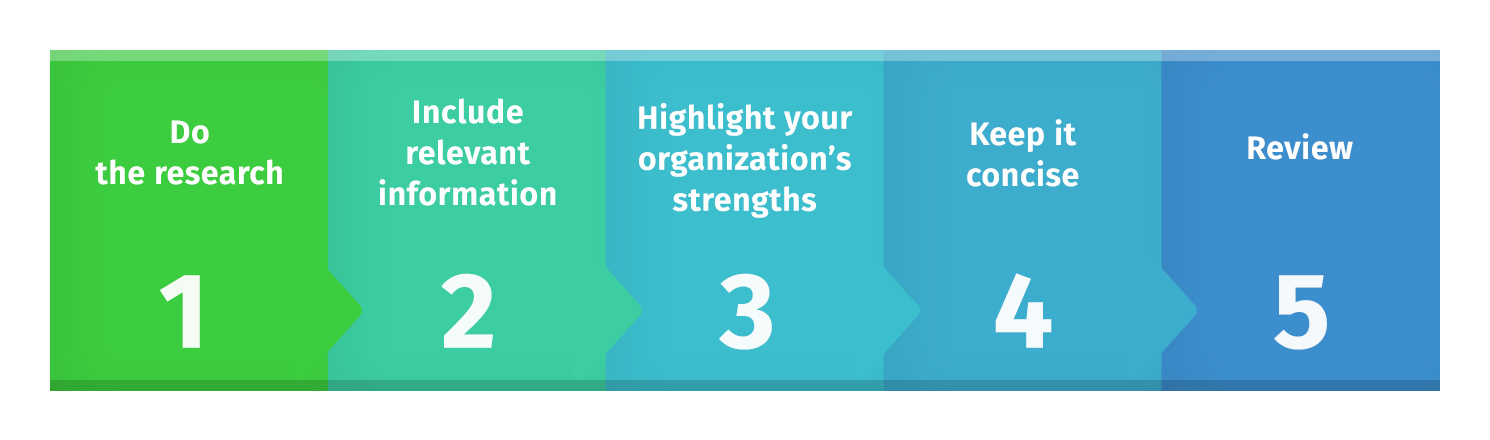
I think of a cover letter as having three core purposes.
Funders and grant officers see hundreds of applications. The cover letter is often the first page they see, and it sets the tone for how they experience the rest of the package.
A good cover letter communicates competence. It shows that you understand the funder’s guidelines, you can follow conventions, and you can communicate clearly. Those are small signals, but they matter because funders are trying to reduce risk.
A weak cover letter can create doubt even before the reviewer reads your narrative. If your letter feels sloppy, vague, or mismatched to the opportunity, the reviewer subconsciously wonders what else will be sloppy later, like reporting or compliance.
This is the most underrated purpose. A cover letter helps the funder quickly route the application to the right program area, verify the requested amount, and confirm basic details like timeline and contact information.
If you’ve ever had a funder email back asking for something that was already in your narrative, this is usually why. They wanted the request framed clearly at the top, in plain language, in a place they could find quickly.
When you do this well, you reduce back-and-forth and you prevent your proposal from getting stuck in administrative limbo.
Funders want to know you understand their priorities. They also want to know you are not sending the same application to ten organizations with the names swapped.
Your cover letter is a place to show alignment quickly and respectfully. You are not trying to persuade with a long argument. You are signaling that this project belongs in this funding portfolio, and you can explain why in one or two sentences.
That signal can give you a competitive advantage, especially in foundation contexts where program officers are often balancing multiple priorities and are looking for well-matched projects.
If you’re interested in learning more about the grant writing process, then take a look at our grant writing certification course.
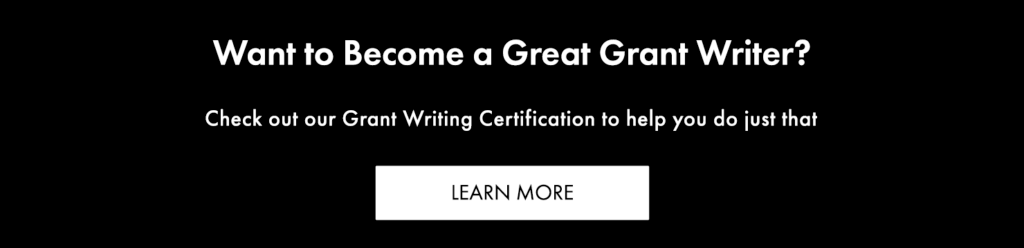
Most great cover letters include the same building blocks. The exact order changes by funder, but the ingredients are consistent.
When I’m writing a cover letter, I use this as a checklist. If any element is missing, I ask whether the funder’s guidelines explicitly remove it, or whether I accidentally skipped something important.
Your cover letter should clearly identify:
This is not busywork. It prevents confusion when a grants officer forwards the letter internally or needs to request a proposal revision.
If you have multiple contacts, pick one accountable owner. A funder should not have to guess who is responsible for the response.
If you can identify the program officer or grants contact, use their name. If you can’t, use a respectful alternative like “Dear Grants Committee” or “Dear Program Team.”
A personalized salutation signals effort and professionalism. It is also a subtle way to avoid feeling like a generic template.
In your opening paragraph, include:
This is the heart of clarity. If a reviewer reads only this paragraph, they should understand what you are asking for.
I also include one sentence on the need or problem addressed. This sets context without turning the intro into a full abstract.
This is where you show alignment. You can do it in one or two sentences. I like phrasing that connects project impact to the funder’s priorities without sounding like keyword stuffing. If the funder prioritizes rural access, prevention, youth development, workforce training, or equity, reflect that naturally.
This is also where you can preview your project objectives. Keep them measurable and concrete.
This is where you bring in organizational qualifications and experience. I mention:
The goal is not to list everything you have ever done. The goal is to show you are qualified and ready.
If you include “letters of support” in the proposal package, you can reference them here briefly. Just don’t make the cover letter a table of contents unless the funder asks for it.
Your closing should:
A subtle detail that helps is clarifying availability. A line like “I’m happy to answer questions or provide any additional documentation” sounds basic, but it lowers the barrier for the funder to engage.
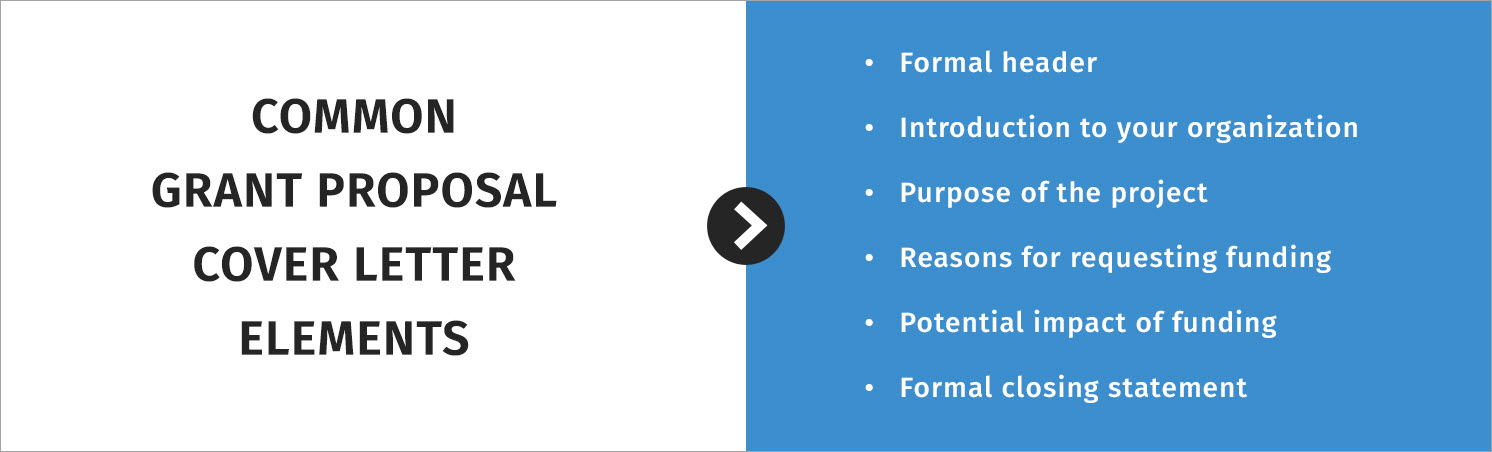
Structure is what makes a cover letter feel easy. When you structure it well, it reads like a professional artifact. When you structure it poorly, it reads like a rushed note.
Here’s the structure I use most often, and why it works.
Unless a funder explicitly requests more, keep it to one page. If you hit page two, you are almost always repeating the proposal summary, adding extra technical details, or telling your organization’s full history. None of those belong in the cover letter.
A one-page length forces discipline. It keeps the letter useful, not bloated.
I use 3 to 5 short paragraphs, depending on complexity.
If the application is short or the funder is small, I might compress 2 and 3 into one paragraph. If the project is partnership-heavy, I give collaboration a dedicated paragraph so it feels real.
Research cover letters are different. In many research ecosystems, the cover letter is primarily administrative. That’s why the NCI guidance on cancer.gov matters in practice: it influences what you should emphasize, and what you should leave for the abstract and narrative.
In those cases, your structure becomes:
You still want clarity and professionalism, but you do not want to write a persuasive essay if the letter is not part of peer review.
Some funders want you to list what’s included: proposal narrative, budget, budget justification, letters of support, organizational documents, and so on.
If enclosures are required, list them in one short line near the end. Keep it clean and predictable. If enclosures are not required, I usually skip it because it can create visual clutter.
This is where the cover letter becomes either a confidence signal or a liability.
Professional does not mean stiff. It means respectful, clear, and appropriate for the relationship.
I aim for a tone that’s confident and calm. I avoid language that sounds desperate, exaggerated, or overly emotional. You can express commitment to the cause without sounding like you are begging for approval.
The simplest way to achieve this is to use plain language, short paragraphs, and specific claims that you can support in the proposal.
Cover letters fail most often because they feel generic. A generic template usually shows up in two places:
Tailoring does not require a rewrite of your whole letter. Usually it’s enough to tailor:
If the funder uses specific terminology, adopt it. If they use an “outcomes” lens, use outcomes language. If they care about community impact, make that explicit.
Most people skim cover letters. That means:
I also avoid heavy technical details. If you mention methodology, keep it high-level. Your narrative exists for the deeper explanation.
Foundation and corporate funders tend to value clarity, community impact, and feasibility. They want to know what will happen and why it matters.
Academic and research contexts often value conventions and correct framing. That might include referencing research objectives at a high level, but not burying reviewers in technical detail.
This is also where revision and editing matter. Even a great project can look weak if your letter has careless grammar or inconsistent project naming. Your cover letter is a credibility artifact as much as it is a communication artifact.
I’m going to give you templates you can rewrite in your voice. I am intentionally not giving you a “copy and paste” letter, because that is how you end up sounding like every other applicant.
Think of these as structures you can fill in.
Subject line should be direct: “Funding request for [Project Name] from [Organization Name].”
The opening paragraph should include the request, timeline, and beneficiaries. Keep it concrete. If you can include one measurable objective, do it.
The second paragraph should describe the problem and your approach. This is the place to reference collaborations if they are central to delivery, not optional.
The third paragraph should establish credibility. Mention organizational qualifications, prior successful projects, and the personnel responsible for implementation. If you have local community partners, name them and describe their role in one sentence.
The closing paragraph should thank the funder and make the next steps easy. Include contact information and offer follow-up.
In research contexts where the cover letter supports routing and administrative processing, keep it precise.
Start by identifying the funding opportunity and application title. Then include any notes required by the application guide, such as assignment preferences, special circumstances, or administrative disclosures.
Close with clean contact information and a short line offering follow-up.
If you want a quick reference on how these cover letters differ from foundation-style letters, the NIAID cover letter page on niaid.nih.gov explains the purpose and common use cases in NIH-style workflows without turning it into a marketing document.
Partnership-heavy proposals often fail because the partnerships sound vague. Your cover letter can fix that by being specific.
In your opening paragraph, name the partnership as part of the project identity. In the body, include one sentence explaining what each partner contributes. Make it operational.
Then connect the partnership structure to implementation feasibility. Explain how you coordinate and how the partnership reduces risk.
This approach also helps when you include letters of support. The letters become supporting documents for a partnership that already feels real.
This is where most applicants want a quick checklist. I get it. But I want you to understand the “why” behind each rule, because that’s how you adapt under pressure.
If you want an external perspective that aligns with the “one page, clear request, clear fit” philosophy, GrantStation’s guidance on a grant proposal cover letter is consistent with how most funders evaluate the function of the letter in practice.
I treat cover letter editing like a small quality assurance process, not a quick proofread.
I confirm the project name matches the proposal exactly. I confirm the funding request matches the budget. I confirm the project dates match the timeline.
Then I check for “content drift.” The cover letter should not introduce a new objective, a new partner, or a new deliverable that the proposal does not contain.
I cut filler language. I shorten long sentences. I make sure each paragraph has one purpose.
Then I read it aloud once. This is the fastest way to catch sentences that sound sharper than intended, especially in transactional language.
I check the basics: salutation, names, titles, contact information, and whether the letter looks clean on the page.
In grant writing, formatting is part of professionalism. Reviewers may not say it out loud, but they notice.
After submission, the funder may send a notice of acceptance or rejection, a confirmation of receipt, or nothing for months.
Even if you get no feedback, you should save the cover letter with the proposal as a versioned set. Over time, you’ll build a library of “what worked for this type of funder” and “what we changed when we improved our win rate.”
If you do get feedback or revision requests, treat them as free consulting. Many organizations improve faster by refining templates and cover letters based on real funder responses than by endlessly rewriting from scratch.
A strong grant proposal cover letter sets the tone for your application. It clarifies your request, builds credibility, and shows alignment with the funder’s goals. While not the most detailed part of your proposal, it creates a positive first impression and ensures your application is easy to process.
Focus on clarity, tailor your message, and maintain a professional tone. Use the tips and structures in this guide to craft a cover letter that highlights your project’s value and demonstrates your readiness to deliver. With practice, your cover letters can become a key tool in securing funding.
Here I answer the most frequently asked questions about grant proposal cover letters.
Sometimes yes, sometimes no. If the guidelines say it’s required, treat it as mandatory. If it’s optional, I still usually include it because it reduces ambiguity and improves routing.
One page is the default. If you need more than one page, you are almost always repeating the narrative.
Only at a high level, and only if the guidelines ask for it. Your project narrative is the right place for methodology, evaluation design, and detailed implementation.
You can reuse the structure, but you should rewrite the request paragraph and the alignment paragraph each time. That’s where fit and credibility live.
Write the first draft early, then ask a cold reader to answer three questions: what are we asking for, who does it help, and what happens next. If they can’t answer those questions quickly, revise until they can.
Get the weekly newsletter keeping 23,000+ technical writers in the loop.
Learn grant writing and advance your career.
Please check your email for a confirmation message shortly.



















Get our #1 industry rated weekly technical writing reads newsletter.
Your syllabus has been sent to your email