
Our reviewers evaluate writing services independently. Learn how we stay transparent, our methodology, and tell us about anything we missed.

Our reviewers evaluate writing services independently. Learn how we stay transparent, our methodology, and tell us about anything we missed.
The first time I hired a legal writer, I gave him a privacy policy to draft for a SaaS product. He delivered something that read well. Clean sentences, professional tone. But I remember it didn’t comply with GDPR. Not partially. At all. We caught it before launch, but it could have been a six-figure mistake. Not a fond memory.
I’m primarily a technical writer, but I feel like legal writing is different from every other kind of content. A small wording mistake in a contract clause can shift liability. Or a missing disclosure in a terms-of-service page can trigger regulatory action. You need someone who understands both writing and law.
I have experience with hiring legal writers through Upwork, LawTrades, and several other platforms. So in this guide, I’ll go over the 11 sites I’d use, what kind of legal writing each one handles well, and how to screen candidates so you don’t learn the same lessons I did.
Next, I’ll go over each platform in detail to make your job easier if you’re on the fence.

Upwork has the largest pool of legal writers of any general freelance platform. You’ll find everything from paralegals drafting contract templates to former BigLaw associates writing regulatory white papers.
The key is filtering. Search for “legal writer” and you’ll get 3,000 results. Add a specific practice area (privacy law, employment law, IP), set minimum hourly rate to $40 or above, and filter by 90%+ job success score. That narrows it to a workable shortlist.
I use Upwork for legal blog content and compliance drafts. Rates range from $25 to $150 per hour depending on the writer’s legal background. For a 2,000-word legal guide, expect $200 to $800. The Escrow system protects both sides. You don’t release payment until you approve each milestone.
My screening filter:
I always ask candidates to identify one legal issue in a sample document I provide
It takes them 15 minutes and tells me immediately whether they actually understand the law or just write well.
Learn more: Check out Upwork on their website.
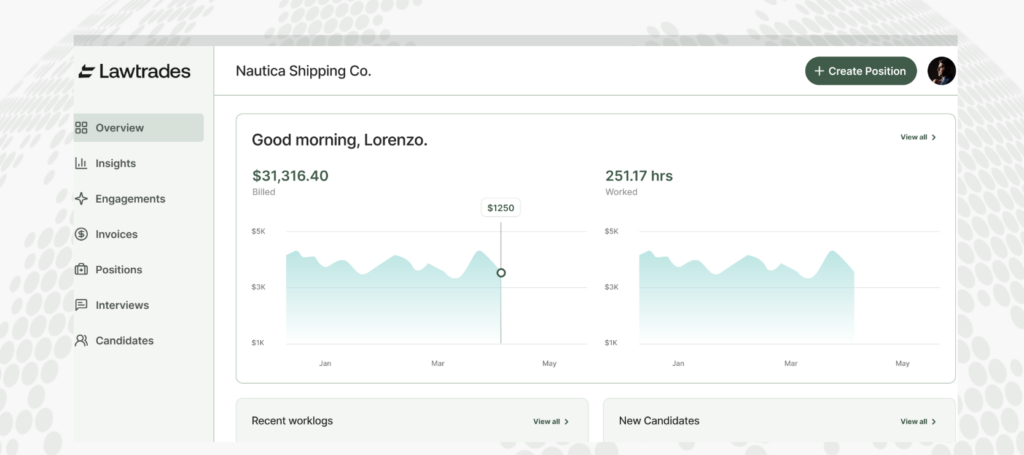
LawTrades only works with licensed attorneys. This isn’t a content marketplace. It’s a legal staffing platform where you hire freelance lawyers for drafting, review, and advisory work.
If you need someone to draft an enforceable contract, review a licensing agreement, or write regulatory filings, LawTrades is where I’d start. Every professional is vetted for bar admission and practice experience.
The downside is cost. Rates typically run $100 to $300 per hour. For a full contract review and redraft, you might spend $1,000 to $5,000. But when the stakes involve actual legal liability, that’s not expensive. It’s the baseline.
Learn more: Check out LawTrades on their website.
Fiverr works for smaller legal content tasks. Blog posts for a law firm’s website. Simple contract templates. Privacy policy drafts where you’ll still have an attorney review the final version.
I wouldn’t use Fiverr for anything where the writing itself creates legal obligations. But for marketing content that needs to sound legally informed without being actual legal advice, it’s fast and affordable. Most legal writing gigs run $50 to $300.
Use Fiverr Pro if you want pre-screened sellers. And always have a licensed attorney review any deliverable that will be used as an actual legal document.
Learn more: Check out Fiverr on their website.
Freelancer’s bidding model can surface competitive rates on legal writing projects. You post the scope, writers bid, and you compare proposals. Rates usually fall between $15 and $80 per hour.
The challenge is the same as with any unvetted marketplace: the screening burden is on you. For legal content, that burden is heavier because mistakes aren’t just embarrassing. They’re potentially actionable. If you need high-compliance work, consider a platform that handles vetting, or hire a technical writer for the technical documentation side and a separate attorney for the legal review.
Learn more: Check out Freelancer on their website.
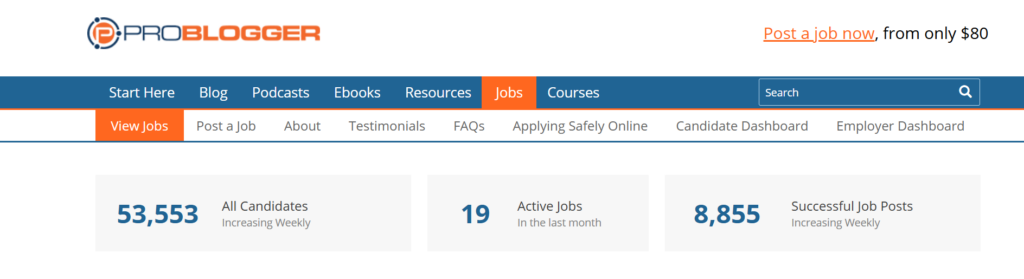
ProBlogger is a job board, not a marketplace. You post a listing, writers apply, and you hire directly. There’s no escrow, no project management, no vetting layer. You handle everything.
I’d use it specifically for legal content marketing. If a law firm needs blog posts about personal injury FAQs, estate planning basics, or employment law updates, ProBlogger attracts writers who understand SEO and can write in a way that converts readers into consultations.
Not the right fit for drafting actual legal documents. But for building a blog that brings in clients, it works.
Learn more: Check out ProBlogger Job Board on their website.

WriterHire operates as a semi-managed service. Instead of browsing a marketplace, you submit your requirements and they match you with writers from their curated pool. This reduces the time you spend screening.
It’s a reasonable middle ground between doing everything yourself on Upwork and paying agency rates. Pricing is custom, based on scope and volume. Good for law firms or compliance teams that need ongoing content without the overhead of managing individual freelancers. Works similarly to how you’d hire a proposal writer through a managed service.
Learn more: Check out WriterHire on their website.

Kolabtree connects you with researchers and subject-matter experts, including legal and regulatory specialists. This is the platform to use when your legal writing requires deep research: white papers on regulatory changes, analyses of case law trends, or technical compliance documentation.
Rates run $50 to $200 per hour depending on expertise. The talent pool skews academic. If you need a literature review of environmental regulations or a patent landscape analysis with legal framing, Kolabtree can deliver. For standard legal blog content, it’s more than you need.
Learn more: Check out Kolabtree on their website.

PeoplePerHour works similarly to Upwork but tends to have a smaller, less noisy talent pool. You can hire legal writers by the hour or by the project. Rates range from $20 to $100 per hour.
I’ve used it for mid-size legal drafting tasks where I didn’t need an attorney but wanted someone with paralegal-level knowledge. Things like formatting legal briefs, drafting standard operating procedures with compliance language, or editing contracts for clarity.
Learn more: Check out PeoplePerHour on their website.

LinkedIn isn’t a hiring platform in the traditional sense, but it’s the best place to find attorney-writers with verifiable credentials. You can check bar admissions, employment history, publications, and endorsements before reaching out.
I use LinkedIn when compliance and credibility matter more than speed. If I need someone who practiced employment law at a specific type of firm and now freelances, LinkedIn is where I’d find them. The process is slower. No payment system, no escrow, no project management tools. But the verification depth is unmatched.
This approach also works well if you’re looking for a ghost writer with a legal background for a book or thought leadership project.
Learn more: Check out LinkedIn on their website.

Guru is a proposal-based marketplace. You post a project, writers submit structured proposals with their approach and timeline, and you compare them side by side. Rates for legal writers usually fall between $25 and $100 per hour.
It works best when you can define the project scope clearly upfront. If you know exactly what deliverables you need, Guru’s proposal comparison makes it easy to evaluate who understands the assignment and who is just bidding.
Learn more: Check out Guru on their website.

ClearVoice is a managed content platform. You work with their team to define a content strategy, and they match you with writers from a curated network. Pricing is custom, typically higher than open marketplaces.
I’d use ClearVoice for a law firm or legal tech company that needs ongoing thought leadership, compliance explainers, or client-facing content. The managed model means you don’t coordinate individual freelancers. They handle assignment, revision, and delivery.
Learn more: Check out ClearVoice on their website.
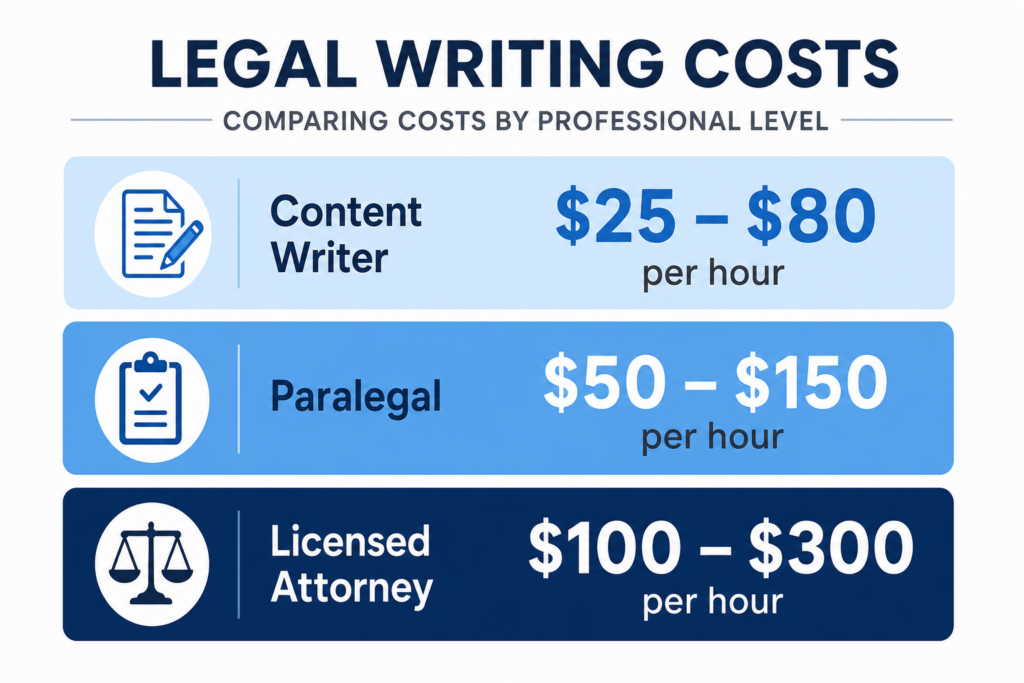
Legal writing rates depend on whether you’re hiring a content writer, a paralegal-level drafter, or a licensed attorney. The compliance stakes should determine your budget.
Legal writing isn’t one thing. The type of writing determines the qualifications you need and the platform you should use.
Legal document drafting (contracts, NDAs, terms of service, privacy policies) requires someone who understands how language creates legal obligations. Ideally, a licensed attorney or experienced paralegal. Use LawTrades, LinkedIn, or carefully vetted Upwork freelancers.
Legal content marketing (blog posts, FAQs, landing pages for law firms) requires strong writing skills and enough legal knowledge to be accurate without giving legal advice. ProBlogger, ClearVoice, and WriterHire work well here.
Research and regulatory writing (white papers, case studies, compliance analyses) requires subject-matter depth. Kolabtree and specialized LinkedIn outreach are your best bets. This kind of writing often overlaps with technical writing in regulated industries.
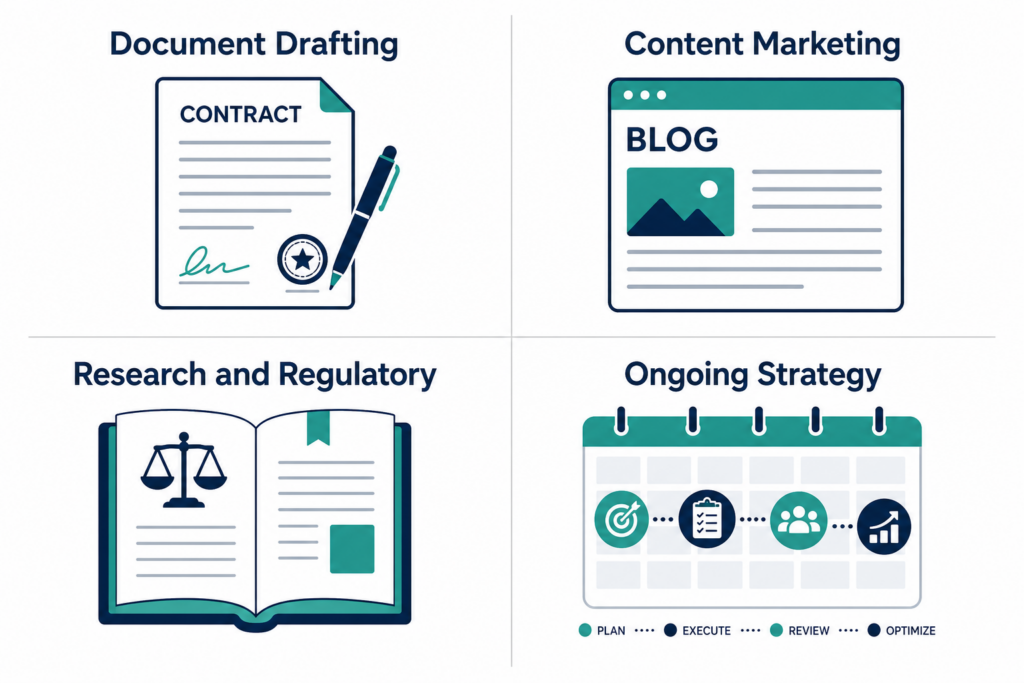
Match the type of legal writing to the platform with the right level of vetting and legal expertise.
Screening legal writers is harder than screening general content writers because the mistakes are less visible. A factual error in a blog post gets corrected. A factual error in a contract clause gets litigated.
Here’s the process I use:
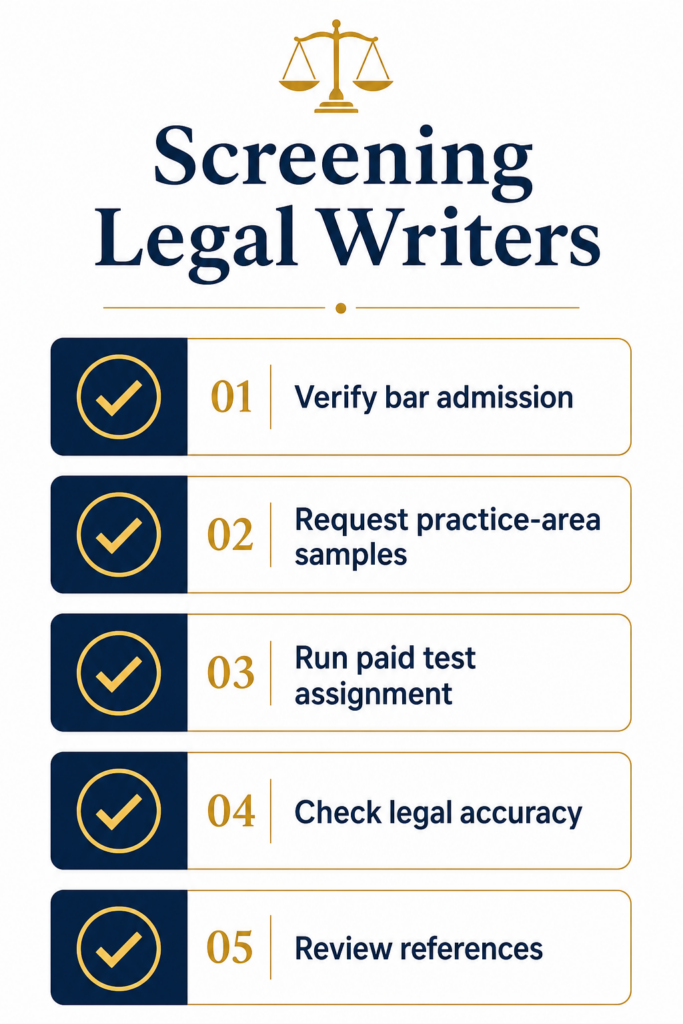
Screen for legal accuracy first, then writing quality. A smooth sentence that misstates the law is a liability, not an asset.
Hiring a legal writer is a risk management decision. The platform you choose, the screening you do, and the contract you sign all determine whether you end up with content that protects your business or content that creates new problems. Get the screening right and the rest follows.
Rates vary by qualification level. Content writers who cover legal topics charge $25 to $80 per hour on platforms like Upwork and PeoplePerHour. Paralegal-level drafters run $50 to $150 per hour. Licensed attorneys doing freelance legal writing charge $100 to $300 per hour through LawTrades and LinkedIn. For a 2,000-word legal blog post, expect $200 to $800.
It depends on the content type. For blog posts and marketing content, a strong writer with legal awareness is usually enough. For contracts, terms of service, privacy policies, or any document that creates legal obligations, you should use a licensed attorney or have one review the final draft.
Legal writing creates documents with legal force: contracts, pleadings, compliance filings. Legal content marketing creates articles, blog posts, and web pages that inform readers about legal topics without constituting legal advice. Different skills, different risk levels, different pricing.
For attorneys, check bar admission through your state’s bar association website. For paralegals, ask about certification (NALA or NFPA credentials). For content writers, review their portfolio for legal accuracy and ask them to explain their research process. A paid test assignment is the most reliable screening method.
Only licensed attorneys can give legal advice. Legal writers who aren’t attorneys can draft content, conduct research, and prepare documents, but the legal review and sign-off should come from a licensed professional. This distinction matters for liability.
On platforms like Upwork or Fiverr, you can find and hire someone within two to five days. Through LawTrades or LinkedIn, the process typically takes one to two weeks because of credential verification and more detailed screening. For managed services like ClearVoice, onboarding can take two to four weeks.
Get the weekly newsletter keeping 23,000+ technical writers in the loop.
Learn technical writing and advance your career.
Please check your email for a confirmation message shortly.





















Get our #1 industry rated weekly technical writing reads newsletter.
Your syllabus has been sent to your email