Our reviewers evaluate writing services independently. Learn how we stay transparent, our methodology, and tell us about anything we missed.

Our reviewers evaluate writing services independently. Learn how we stay transparent, our methodology, and tell us about anything we missed.
Hiring a script writer sounds easy until you realize you’re not just paying for words. You’re paying for pacing, character voice, structure, and someone who can take your fuzzy idea and turn it into something a director could shoot.
I’ve worked with writers across formats, from tutorials and long-form guides to narrative content and production scripts, and the gap between “good writing” and “usable scriptwriting” is bigger than most people expect. Scriptwriting lives in a weird space between creativity and constraint. It’s art, but it’s also logistics.
That’s why where you hire from matters as much as who you hire. The platform shapes the kind of writers you meet, the quality signals you see, and the type of projects those writers are used to working on.
Here’s my shortlist of the best places to hire a script writer:
This list is built for real-world hiring. Some of these sites are perfect when you need a writer fast for short-form scripts (think YouTube or business videos). Others are better when you’re trying to find a collaborator for a spec screenplay, a pilot, or something you want to pitch to studios.
If you’re trying to hire well (and not just hire fast), these are the platforms I’d start with, plus what I’d use each one for.

Upwork is the first place I look when I need optionality. It has an enormous pool of writers, so whether you’re hiring for a 90-second brand video, a scripted podcast, or a full 90-page script, you can find someone who has at least touched that format.
What makes Upwork practical is how quickly you can test the waters. You can run a paid writing assignment, review short writing samples, and see how the writer handles your tone before you commit to a full draft.
The downside is the same thing that makes it powerful: volume. You’ll see some incredible writers and some people who are absolutely not scriptwriters. Your job is to screen hard.
Why I chose Upwork
I chose Upwork because it’s the fastest way to hire a scriptwriter while still protecting yourself with escrow and milestones. If you’re not sure whether you need a script doctor, a writer to ghostwrite a screenplay, or someone who can just punch up dialogue, Upwork lets you experiment without locking into an expensive relationship.
Upwork key features
Pros
Cons
Learn more: Check out Upwork on their website.
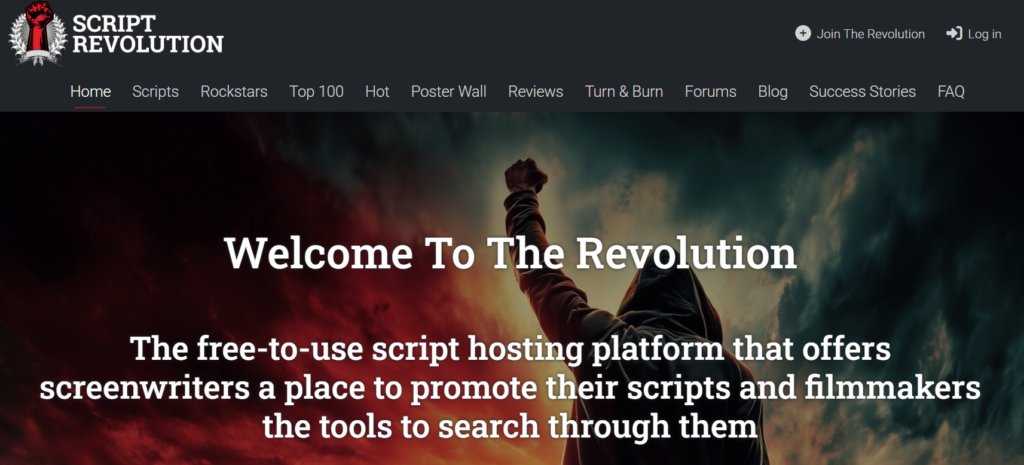
Script Revolution is a very different vibe from Upwork. It’s more like a library of scripts and writers where you browse ideas, projects, and voices, instead of posting a job and waiting for proposals.
If you’re a producer, director, or someone building a slate, it can be a goldmine. You can search by genre, budget range, and script type, then reach out to writers whose work fits your taste.
The tradeoff is that Script Revolution doesn’t manage the relationship. There’s no built-in payment protection, so you’ll want a clear agreement before you start sharing too much.
Why I chose Script Revolution
I chose Script Revolution because it’s one of the cleaner ways to discover writers through their scripts, not just a polished profile. If you want to see real story development, structure, and pacing before you talk money, this is a great place to start.
Script Revolution key features
Pros
Cons
Learn more: Check out Script Revolution on their website.

Mandy is a film and TV hiring ecosystem, not just a writing board. That matters because when you’re hiring a scriptwriter for production, you want someone who understands how sets work, how directors think, and how rewrites happen under pressure.
Profiles tend to be more “industry” than “freelancer.” You’ll see credits, prior roles, and project experience, which can help you identify trusted collaborators.
The catch is that the best tools sit behind a premium subscription, and the competition for top writers can be intense.
Why I chose Mandy Network
I chose Mandy because it’s a more serious entertainment marketplace than a general freelance site. If you’re hiring for film producers, executive producers, or traditional television studios, you want writers who already speak that language. Mandy is a better bet for that.
Mandy Network key features
Pros
Cons
Learn more: Check out Mandy Network on their website.

Stage 32 is less “hire a writer” and more “enter the ecosystem.” It’s a community where writers, directors, producers, and industry folks network, learn, and sometimes build partnerships that turn into projects.
This is where you go when you want more than a transactional hire. If you’re building something you want to pitch to major film studios or you want to form a long-term creative relationship, Stage 32 can be a strong move.
Just keep in mind: you’ll negotiate everything directly. It’s not designed as a managed marketplace.
Why I chose Stage 32
I chose Stage 32 because sometimes the best script hires come from relationships, not job posts. If you’re looking for a writer coach, writing process support, or a collaborator who can grow with the project, Stage 32 is one of the more legit places to find that energy.
Stage 32 key features
Pros
Cons
Learn more: Check out Stage 32 on their website.

Simply Hired is not a scriptwriting specialist, but it can be useful if you want reach. If your project is more “scripted business videos” or “short-form TV video platforms content” and you want to post a role widely, this can help fill the funnel.
The upside is discoverability and speed. You’ll get applicants quickly, and the interface is straightforward.
The downside is relevance. You’ll need to filter for script-specific experience so you don’t end up with general writers who have never written dialogue or structured a treatment.
Why I chose Simply Hired
I chose Simply Hired because sometimes you just need a lot of candidates fast for shorter projects or ongoing content. If you have a clear screening process and you’re willing to reject aggressively, it’s a decent way to surface options.
Simply Hired key features
Pros
Cons
Learn more: Check out Simply Hired on their website.

Screenwriting Staffing is one of the more niche, industry-aligned options on this list. It’s tuned for film and television, which is a big deal if you’re hiring for structured formats like pilots, features, or episode-based storytelling.
You’re not just looking at random freelancers here. You’re browsing professionals whose past projects and services line up with production needs, including script consulting services.
Because it’s specialized, it can skew toward a premium price. You’ll want to know your budget and your expectations before you start outreach.
Why I chose Screenwriting Staffing
I chose it because specialization matters in scriptwriting more than people think. A writer who can nail marketing copy might struggle with a story bible, a treatment, and a revision process that includes producer notes. This platform leans toward writers who already live in that world.
Screenwriting Staffing key features
Pros
Cons
Learn more: Check out Screenwriting Staffing on their website.

InkTip has been around for a long time, and it shows. It’s built as a bridge between writers and producers, focusing on scripts ready to be purchased or optioned.
If you’re on the acquiring side, it’s a practical platform because you can browse material that’s closer to “deal-ready.” It’s also useful if you’re hunting for a writer who can prove they understand industry expectations.
InkTip works best when you know what you’re looking for. If your direction is still fuzzy, a coaching or consulting-first platform might serve you better.
Why I chose InkTip
I chose InkTip because it’s one of the clearer paths to writers who are already thinking in business terms, not just creative terms. If you’re considering shopping agreements or you want something that can move toward producers quickly, InkTip is worth a look.
InkTip key features
Pros
Cons
Learn more: Check out InkTip on their website.

Writers Work mixes hiring with productivity tools, which is interesting if you want everything in one place. You can find writers, but you can also collaborate using built-in editing and project management features.
That “tools plus talent” combo is handy if your process involves many iterations. Scriptwriting rarely ends at the first draft, so anything that reduces revision chaos is a win.
The main limitation is that it’s broad. You may need to hunt for true screenplay specialists in niche areas.
Why I chose Writers Work
I chose Writers Work because the hiring experience matters less if the collaboration falls apart afterward. If you know your project will involve outlines, full drafts, and multiple revision rounds, having workflow support built in can keep things from getting messy.
Writers Work key features
Pros
Cons
Learn more: Check out Writers Work on their website.

Shooting People is one of my favorite “indie energy” platforms. It’s a community where filmmakers and writers connect around projects that often prioritize originality and voice over polish.
If you’re making something outside the studio system, this can be a great way to find a writer who cares about the story and wants to build something with you. It’s also a solid place for emerging writers looking for real credits and collaboration.
If you need someone with experience inside traditional television studios or big-budget pipelines, this may not be the best fit.
Why I chose Shooting People
I chose Shooting People because sometimes you’re not hiring a writer, you’re finding a partner. If your goal is to build something fresh for independent film, this community is closer to the source than most marketplaces.
Shooting People key features
Pros
Cons
Learn more: Check out Shooting People on their website.
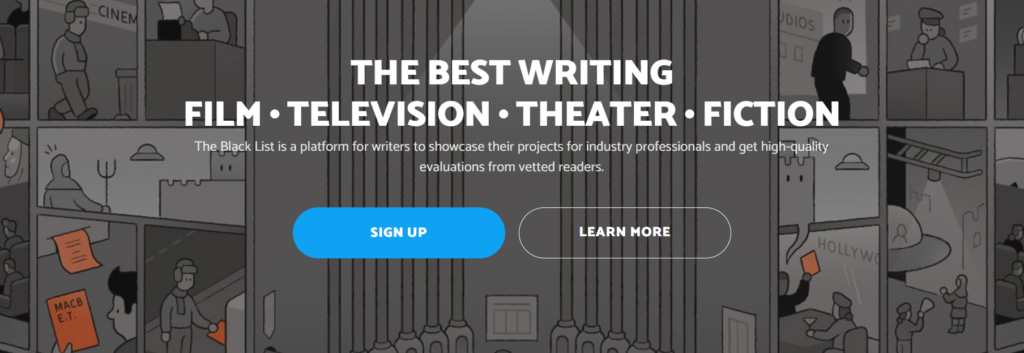
The Black List is famous for surfacing high-quality unproduced scripts, and it’s tied into serious screenwriting culture. If you’re looking for top-tier material or a writer who operates at a professional level, this is one of the most reputable discovery platforms out there.
It’s also a place where evaluation and reputation matter. Writers pay for evaluations, and the ecosystem tends to reward strong writing quickly, which helps producers find signal faster.
That said, it can be expensive for writers and competitive for buyers. You need to know what you’re shopping for.
Why I chose The Black List
I chose The Black List because it’s one of the rare platforms where quality is part of the brand. If you’re trying to find scripts with serious potential, or writers who want to play at the highest level, this is the shortlist.
The Black List key features
Pros
Cons
Learn more: Check out The Black List on their website.
If you want a few more options (without the full breakdown), here are other places I’d consider depending on budget and format:
Most people think “scriptwriter” means “screenplay,” but that’s only one slice of it. You can hire writers for everything from scripted podcasts and radio plays to brand videos, explainer content, and serialized shorts for TV video platforms.
The biggest difference is the level of development support. Some writers deliver a finished script, while others help with story development, dialogue punch-ups, and pitch assets such as treatments and pitch decks.
Here are the most common scriptwriting services I see clients hire for:
If you’re hiring and you’re not sure which service you need, start with a treatment. It’s cheaper than a full draft, and it will expose misalignment early.
I’ve seen people hire scriptwriters for way more than film fantasies. Sure, filmmakers and producers are obvious, but brands, startups, and even authors hire scriptwriters.
If you’re producing content, scripts give you leverage. A good script makes filming faster, editing easier, and the final product sharper because the thinking happened before the camera turned on.
Here are the groups I see getting the most value:
Scriptwriting is one of those fields where “credentials” are tricky. A writer can have zero famous credits and still be phenomenal. Another writer can have a fancy bio and still miss your voice.
That’s why I focus on proof that maps to your project. If you’re writing authentic dialogue for a grounded drama, you want samples that show character nuance. If you’re building something for YouTube or short-form, you want pacing and clarity more than cinematic flourish.
What I look for when I screen writers:
If you’re hiring writers in general (not just script writers), these guides will help you build a better screening process and avoid the hiring traps:
Here I answer the most frequently asked questions about hiring a script writer.
It depends on format, experience, and whether you’re buying a full draft or just development work. I’ve seen short-form scripts land in the low hundreds, while a feature-length screenplay can run into the thousands or far beyond if you’re hiring someone with serious credits.
There isn’t a single universal number that applies outside guild contexts, and most online hiring platforms don’t use a single rate card. What I do instead is anchor pricing to milestones (treatment, outline, first draft, revisions) so you’re always paying for clear deliverables.
If the scope is fuzzy, hourly can work early on for consulting or outlining. For full scripts, I prefer fixed-price milestones because they keep both sides aligned and make the revision process easier to manage.
Yes, and this is common. Just make sure your agreement covers confidentiality, ownership, and whether the writer can share authorized snippets later for their portfolio.
I ask for samples in the same format and genre, plus a short paid writing assignment if the project is meaningful. I also ask how they handle notes, what their revision process looks like, and how they prefer to collaborate with directors or producers.
At minimum: an outline or treatment, the full draft, and agreed revision rounds. For bigger projects, I also like to request a logline, a short synopsis, and a story bible or pitch deck outline if you plan to pitch or form partnerships.
Get the weekly newsletter keeping 23,000+ technical writers in the loop.
Learn technical writing and advance your career.
Please check your email for a confirmation message shortly.





















Get our #1 industry rated weekly technical writing reads newsletter.
Your syllabus has been sent to your email