Our reviewers evaluate writing services independently. Learn how we stay transparent, our methodology, and tell us about anything we missed.

Our reviewers evaluate writing services independently. Learn how we stay transparent, our methodology, and tell us about anything we missed.
Hiring a speech writer feels like cheating until you’re the one staring at a blank page at 1:00 a.m. the night before a big talk. I’ve written a solid number in my career, but speeches are their own beast because they have to sound like you, not like a writer.
That’s the tricky part. A speech isn’t just a well-written text. It has to feel natural when it comes out of your mouth. When it doesn’t, everyone in the room can probably tell. So while finding a writer is easy part, in my experience, the difficult step is finding a writer who can reflect your voice in their writing.
Here’s my shortlist of the best places to hire a speech writer:
I’ve worked as a technical writer since 2014, and a big part of my job has always been making complicated things sound simple and human. Speeches possess higher emotional stakes and way less tolerance for “robot voice.”
Also, quick promise: this is not one of those generic lists that just reword tool homepages. I’m going to be opinionated about who each platform is for, because hiring the wrong speech writer is how you end up rewriting the whole thing yourself anyway.
A speech writer can do more than “write the words.” The right one interviews you, pulls out your real stories, and builds a structure you can deliver without sounding like you swallowed a TED Talk template.
Below are the platforms I’d use, plus how I’d hire on each one.

Upwork is the biggest freelance marketplace in this space. When I want breadth and the ability to find someone who has written executive keynotes, wedding toasts, and product launches, Upwork is where I start.
What I like about Upwork is that you can hire in a way that feels controlled. You can run milestones, keep everything in one thread, and lean on their review system to filter out peoters but not great collaborators.
The downside is obvious: there’s a lot of noise. You’ll see incredible candidates, and you’ll see people who have never written anything meant to be spoken aloud, so your screening process matters.
Why I chose Upwork
I chose Upwork because it’s the easiest place to hire a professional speechwriter with receipts, and you can pay in milestones. If I’m hiring for a high-stakes event, I want transparent profiles, customer ratings, and a system that discourages flaking.
Pros
Cons
Learn more: Check out Upwork on their website.
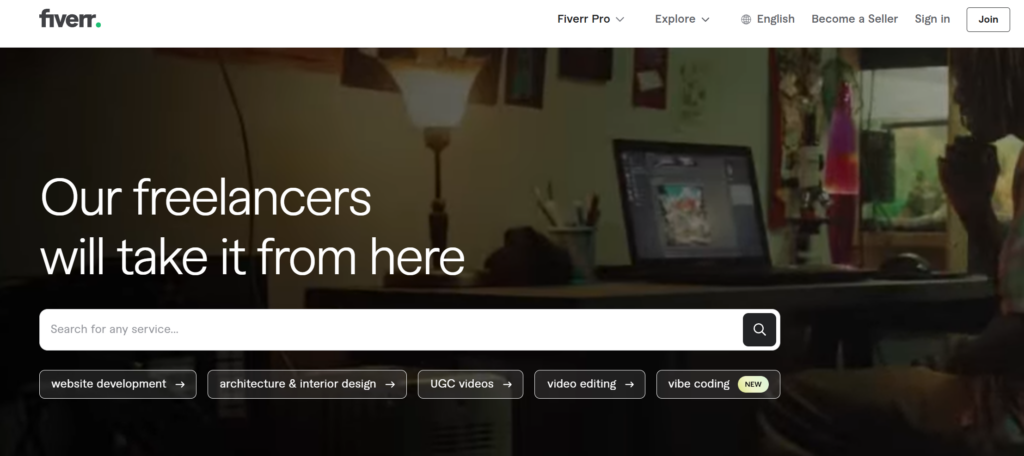
Fiverr is where I go when speed matters and the scope is clear. It’s built around packaged services, so you can buy a speech by word count, delivery speed, and revision count without negotiating from scratch.
It’s also one of the easiest places to compare options. You can look at portfolios, reviews, and add-ons (like delivery coaching or tone variations) without having to send 10 back-and-forth messages first.
The risk is that low prices can tempt you into hiring someone who writes “fine,” but not “you.” On Fiverr, I’d over-index on samples and reviews, and I’d treat the first order as a paid trial.
I chose Fiverr because it’s the fastest way to get a decent speech draft when you already know the occasion and tone. If you need something short like a wedding toast, an award acceptance, or a quick keynote opener, Fiverr’s packaging makes the buying decision simple.
Pros
Cons
Learn more: Check out Fiverr on their website.
Freelancer has a bidding system. You post the project, writers pitch, and you choose a bid based on price, timeline, and their profile.
That can be useful when you have a hard budget ceiling. If you’re hiring for a speech that’s lower stakes, or you’re willing to spend time reviewing bids, you can often find someone solid at a reasonable price.
The tradeoff is that bidding can drag out the process. It can also reward “cheapest proposal” behavior, so you need to anchor on writing samples and reviews, not just the bid number.
I chose Freelancer because it’s a decent option when you want multiple offers quickly, and you’re comfortable managing the screening yourself. It’s not my first pick for executive-level work, but it can work for community events, internal talks, and straightforward speeches.
Pros
Cons
Learn more: Check out Freelancer on their website.

Guru has a cleaner “project management” feel than some marketplaces. It’s designed for ongoing collaboration, with a dashboard-style workflow that’s helpful when you’re working on multiple drafts and iterations.
I also like that it encourages clarity around deliverables. In speechwriting, that matters because you’re rarely buying a single draft. You’re buying a draft, then edits, then polish, then maybe a shorter version because you realized you only have five minutes.
Guru’s main drawback is that its pricing and fee structure can feel less obvious to first-time users. You’ll want to clarify the payment terms upfront to avoid surprises.
I chose Guru because the collaborative side of speechwriting is where projects break down. If I’m working with a speechwriter through a revision-heavy process, I want a platform that supports that workflow instead of fighting it.
Pros
Cons
Learn more: Check out Guru on their website.

PeoplePerHour’s “hourlies” are predefined tasks at a set price. That’s great when you want a clear deliverable like “edit my speech,” “write a 5-minute toast,” or “rewrite my opening.”
It’s also nice when you want to avoid lengthy negotiations. You can pick an hourly package, message the writer, and get moving.
The limitation is that not every speech fits a predefined template. For more complex work, you’ll end up negotiating a custom project anyway, so make sure the writer is comfortable going beyond the standard packages.
I chose PeoplePerHour because it’s a good middle ground between Fiverr’s package model and Upwork’s custom hiring. If I need something short and structured, the hourlies system removes friction.
PeoplePerHour key features
Pros
Cons
Learn more: Check out PeoplePerHour on their website.
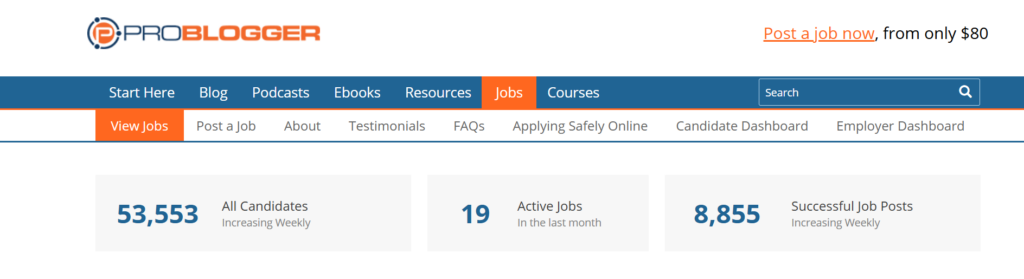

ProBlogger is known for blogging jobs, but it can still work for speechwriting if you frame the job correctly. If you’re hiring for a brand keynote, a founder talk, or an internal company speech, a content writer who understands tone and messaging can be a great fit.
This is a job board, not a marketplace. That means you post a role and wait for applicants, rather than browsing profiles and hiring on the spot.
The key is writing a strong job post that demands proof: portfolio links, past speeches, or at least writing samples that show voice, rhythm, and audience awareness.
I chose ProBlogger because sometimes you don’t need a “professional speechwriter.” You need a strong writer who can capture your voice and structure a message for business and content-driven speeches.
Pros
Cons
Learn more: Check out ProBlogger Job Board on their website.
SimplyHired is useful when your priority is reach. You can post a role, collect applicants, and sift for the right match based on experience and writing samples.
Because it’s broad, you’ll get a mix of candidates. Some will be real speechwriters. Others will be generalists who want to try speechwriting because it sounds fun.
If you use SimplyHired, I’d set your screening requirements to be strict. Ask for relevant samples, references if the stakes are high, and a short paid trial if you can.
I chose SimplyHired because sometimes you just need volume and options if you’re hiring for recurring speeches or ongoing executive comms support. It’s not glamorous, but it can work if your process is tight.
Pros
Cons
Learn more: Check out SimplyHired on their website.

WriterAccess is more curated than the typical marketplace. It positions itself as a platform for matching writers, including speechwriters, through a platform-driven selection process.
The pitch is quality and efficiency. You spend less time searching and more time collaborating with someone who’s already been vetted.
The tradeoff is cost. WriterAccess tends to be more premium, which can be worth it if you’re writing something high-profile and you want fewer surprises.
I chose WriterAccess because when the speech is tied to your reputation, premium curation is cheaper than fixing a bad draft. If I’m hiring for a C-suite keynote or a fundraising talk, I’d rather pay more upfront and reduce risk.
Pros
Cons
Learn more: Check out WriterAccess on their website.
SpeechPad is best known for transcription, but it also offers speechwriting. The interesting angle is that it’s built around spoken content, so readability and “sayability” are a bigger part of the value.
If you’ve ever read a draft that looks good on the page but feels awful out loud, you understand why this matters. Spoken rhythm is different than written rhythm.
The main limitation is that it’s not a massive writing marketplace. If you want a huge pool of candidates, use Upwork. If you want speech-forward thinking, SpeechPad is worth a look.
I chose SpeechPad because a speech is a performance. If I care most about delivery, pacing, and audibility, I want a platform that thinks in “spoken language” first.
Pros
Cons
Learn more: Check out SpeechPad on their website.

Textbroker is a volume platform. You get access to many writers and can select based on a rating system, paying by the word.
If you’re hiring speeches often and you need a repeatable process, Textbroker can be a practical option. The model is built for throughput.
The caution is quality variance. The rating system helps, but spoken-word nuance can still be hit or miss, so I’d treat early drafts as tests before you commit to anything important.
I chose Textbroker because it’s a workable option when speed and budget matter, and the speech is not a once-in-a-lifetime event. If you need a lot of drafts, fast, and you’re okay with iterating, the per-word model can fit.
Pros
Cons
Learn more: Check out Textbroker on their website.
Most speechwriters are not just “writers.” The best ones run a collaborative process in which they pull stories out of you, shape them into a narrative, and then polish them for delivery so the speech sounds natural when spoken.
In my experience, you pay for some combination of research, interviewing, drafting, and editing. If you want help beyond the page, some speechwriters will also coach delivery, including pacing and non-verbal cues.
Common services include:
First, I’d get honest about the context: who’s the audience, what’s the room like, and what does “success” mean here. Audience dynamics matter because a wedding speech and a boardroom speech are different species.
Second, I’d screen for voice fit, not just writing skill. A great portfolio is helpful, but I want samples that sound like spoken language, plus evidence that the writer can adapt their style to match a speaker’s personality.
Finally, I’d set up a process that reduces risk. Milestone payments, clear revisions, and a short paid trial draft can save you from a painful rewrite late in the game.
If you’re hiring writers in general (not just speechwriters), these guides will help you build a better screening process and avoid the hiring traps:
Here I answer the most frequently asked questions about hiring a speech writer.
It depends on the platform, the writer’s experience, the timeline, and the word count. A short toast can be inexpensive, but a keynote with deep research and multiple revisions will cost more if you’re hiring someone with executive communications experience.
For speeches, I prefer project-based pricing with milestones. Hourly can work for edits or coaching, but a fixed-scope, milestone-based payment structure keeps both sides aligned and prevents the project from drifting.
Give them context, constraints, and real raw material. I’d share: the audience description, event type, time limit, your main point, 2 to 3 personal stories you’re willing to tell, and a couple speeches you like (and hate).
I look for three things: a portfolio that sounds like spoken language, reviews that mention collaboration, and a short paid trial (like writing just the opening or a 60-second section). If they can nail your voice in a small section, the rest of the speech goes well.
Yes, but it’s manageable. I prefer to hire writers who can show process and drafts, and I’ll also run the final text through an online plagiarism checker if the speech is high-profile or published afterward.
At a minimum, I plan for one revision round. For anything important, I plan for two, because once you practice out loud, you’ll discover which lines feel unnatural and which sections need tightening.
Get the weekly newsletter keeping 23,000+ technical writers in the loop.
Learn technical writing and advance your career.
Please check your email for a confirmation message shortly.





















Get our #1 industry rated weekly technical writing reads newsletter.
Your syllabus has been sent to your email