Our reviewers evaluate writing services independently. Learn how we stay transparent, our methodology, and tell us about anything we missed.

Our reviewers evaluate writing services independently. Learn how we stay transparent, our methodology, and tell us about anything we missed.
Hiring a blog writer looks easy on paper. You post a job, get a pile of applicants, pick someone with a decent portfolio, and expect publish-ready posts to show up on schedule.
In reality, most teams get stuck in one of two traps. They either hire too cheaply and spend weeks rewriting weak drafts, or they overpay for “premium” content that still does not match their voice or SEO goals.
When I’m hiring, I’m not just buying words. I’m buying a repeatable content creation process that includes clean structure, reliable research, and a writer who can follow a brief without needing ten rounds of edits.
If you’re still defining what “good” looks like for your team, I’d skim my guide on how to hire a technical writer because the vetting mindset is surprisingly similar.
Here’s my shortlist of the top platforms:
I’ve hired (and do to this day) writers for technical brands, SaaS teams, and content programs that needed consistent publishing. I’ve also experienced teams burn months on “cheap” content that never ranks and never converts.
The platform matters, but your process matters more. My recommendations lean toward platforms you can use to either vet or outsource vetting, depending on how much time you have.
Here’s my breakdown of what each platform is best at, what it is like to hire there, and what to watch out for.

Compose.ly is a managed content creation service that pairs you with vetted writers and supports a structured workflow. It’s a good fit when you want consistent output, and you do not want to waste time screening candidates.
I picked Compose.ly because it removes the most expensive part of hiring, namely, trial and error. When a service can match you with writers who already understand briefs, revisions, and deadlines, you avoid a lot of churn.
It also works well when you care about content performance. If you run content audits or track results in an analytics platform, having a consistent production process makes optimization easier.
Learn more: Check out Compose.ly on their website.

WriterAccess is a content marketplace with a large pool of writers and strong filtering tools. It’s popular with teams that want control while still needing platform support for their workflow.
I picked WriterAccess because it gives you a lot of levers. You can evaluate writing samples, compare portfolio links, and use ratings to narrow down candidates.
It also helps when you are managing multiple writers. The platform is built around repeatable content creation processes, not just one-off gigs.
Learn more: Check out WriterAccess on their website.

Verblio uses a subscription-style model where writers submit drafts based on your content brief. You pick the draft you like and continue working from there.
I picked Verblio because it’s useful when you want options fast. The pitch style process is helpful if you are still dialing in tone or experimenting with different writers.
It’s also a practical choice for teams publishing at volume. You can keep content moving without running a full hiring cycle every time.
Learn more: Check out Verblio on their website.

Upwork is one of the largest freelance platforms, with writers across every niche and budget. It can work extremely well, but only if you treat vetting like a real process.
I picked Upwork because it gives you maximum flexibility. You can hire on an hourly rate, fixed price, or retainer, and you can build a long-term roster if you find the right people.
The tradeoff is that you need a strong brief and a clear screening method. If you are vague, you will get vague candidates.
Learn more: Check out Upwork on their website.
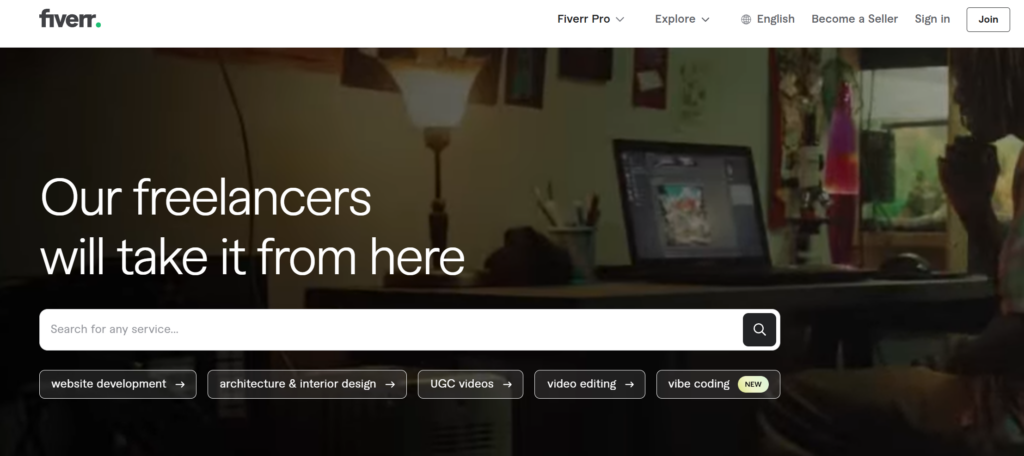
Fiverr is a gig marketplace where writers sell packaged services. It’s best for quick projects and clearly scoped deliverables.
I picked Fiverr because it’s fast. If you need a simple post, a rewrite, or a short draft for a campaign, it can deliver in a heartbeat without a long hiring cycle.
I would not treat it as my first choice for premium thought leadership. Instead, I would use it as a tactical option when speed matters more than depth.
Learn more: Check out Fiverr on their website.

LinkedIn is less of a writing platform and more of a talent network. It’s a strong option when you want writers with proven industry experience, and you care about long-term fit.
I picked LinkedIn because it’s where I go when I want credibility signals. You can evaluate a writer’s background, see what they post, and validate expertise beyond a polished portfolio.
It also supports long-term hiring. If you want a consistent voice across your blog, hiring a part-time or full-time writer often beats rotating freelancers.
Learn more: Check out LinkedIn on their website.
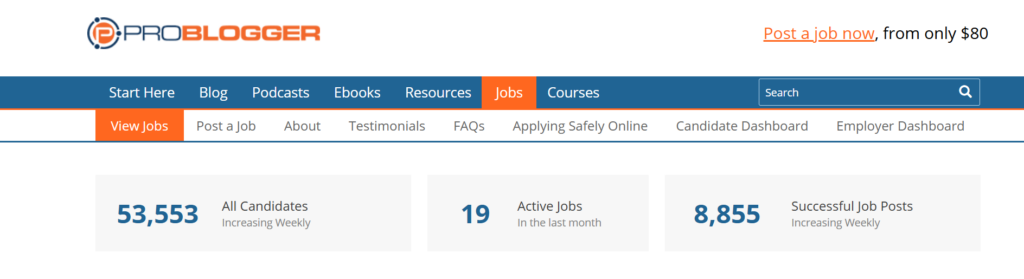
ProBlogger is a classic job board used heavily by professional blog writers. It tends to attract writers who are serious about blogging as a craft, not as a side gig.
I picked ProBlogger because it’s focused. You often get fewer applicants than huge platforms, but the applicants are usually more aligned with blog writing.
It also encourages better job posts. When you write a clear listing with pay, topic scope, and expectations, you can attract high-quality candidates.
Learn more: Check out ProBlogger Job Board on their website.

Textbroker is a platform designed for ordering written content quickly at different quality tiers. It’s often used for high-volume content where speed and scale are priorities.
I picked Textbroker because it solves one problem well. If you need a lot of drafts fast and you are comfortable editing, it can keep your publishing machine running.
However, I would be cautious using it for brand-defining posts. It is better suited to simpler content where the brief is tight and the expectations are clear.
Learn more: Check out Textbroker on their website.

Guru is a freelance marketplace that supports proposals, quotes, and portfolio comparisons. It’s useful if you like evaluating multiple candidates side by side.
I picked Guru because it’s straightforward for comparison shopping. You can request quotes, review writing samples, and line up options without a complicated process.
It works best when you already know what you need. If you are unsure about strategy, you will still need to create strong content briefs.
Learn more: Check out Guru on their website.
The Writer Finder is a matching service that connects brands with writers. It’s positioned more like a curated option than an open marketplace.
I picked it because curated matching can save time. If you do not want to sift through hundreds of profiles, a service that narrows the list can be worth it. It does your vetting for you.
It’s also helpful when you need writers who can follow brand guidelines closely. The better the match, the less time you spend on revision.
Learn more: Check out The Writer Finder on their website.
Draft is a content creation platform that helps you get content written through a managed workflow. It’s a practical option when you want a platform structure without building your own process.
I picked Draft because it supports repeatability. When you are publishing weekly, small inefficiencies compound fast, so having a workflow service matters.
It also fits teams that want content briefs, assignments, and revisions in one place. That collaborative online workspace feel can reduce back-and-forth.
Learn more: Check out Draft on their website.
Pricing is influenced by more than word count. I’ve seen teams pay low rates and still spend more overall because of editing time and missed SEO opportunities.
Writer experience drives pricing fast, especially in SaaS, finance, or technical topics. If you need expert content creators, expect higher hourly rates or higher fixed price packages.
Article length matters, but complexity matters more. A 2,000-word post that requires SEO keyword research, structured headings, and original examples costs more than a 2,000-word opinion piece.
Some platforms charge membership fees, job-posting fees, or payment processing fees. Managed services typically bundle everything into a single price, which can feel expensive but is easier to forecast.
Add-ons can include content audits, content strategy review, or analytics reporting. These raise costs, but they can improve content performance if you actually act on the insights.
High-quality writers are easier to spot when you stop thinking like a recruiter and start thinking like an editor. I’m always asking one question: “If I published this tomorrow, would it make my brand look sharper or sloppier?”
I also try to separate “good writing” from “good fit.” A writer can be objectively strong and still be wrong for your audience, your tone, or the type of content you need.
I’m not impressed by generic portfolios with ten different tones and no clear niche. I’d rather see three strong pieces that match my industry than twenty random samples.
When you review writing samples, look for structure first. Strong writers make scanning easy with clean headings, clear intros, and logical flow. Weak writers bury the point, repeat themselves, and force you to edit for clarity.
I like to ask candidates for two portfolio links that are similar to what we need. One should be a “high intent” post, like a how-to or comparison article. The other should be a narrative or thought leadership piece to show voice.
If they cannot provide relevant samples, I treat that as a risk signal. It does not mean they are bad, but it does mean you’ll pay for ramp-up time.
I keep vetting tight and predictable. If you make writers jump through hoops, the best ones will leave, and the desperate ones will stay.
Here’s what I typically do.
The paid test is where you learn the most. I like to test how they follow a content brief, how they handle edits, and whether they can hit deadlines without drama.
Great writers still fail when the brief is weak. I share brand guidelines, examples of posts we like, and a simple checklist that defines success.
If you want writers to produce premium blog content, you need to give them enough context to make decisions. Otherwise, you end up with “technically correct” writing that feels off-brand.
A blog writer is not just a typing machine. You want someone who can work in your collaborative online workspace, take feedback without getting defensive, and ask smart questions early.
The best writers don’t just deliver drafts. They help improve your content creation process over time by spotting gaps in briefs and suggesting better structure.
If you want to hire a blog writer without wasting weeks, prioritize process over platform. The best results come from clear content briefs, a simple vetting procedure, and a paid test that reflects real work.
Once you find a writer who can consistently deliver, treat that relationship like an asset. A reliable writer who learns your brand and audience will outperform a rotating cast of “pretty good” freelancers every time.
Here I answer the most frequently asked questions about hiring a blog writer.
Most blog writers charge anywhere from $0.05 to $0.50 per word, depending on experience and niche. In practice, that means $150 to $1,000+ per article. I always factor in editing time and SEO impact, not just the sticker price.
If you want control and long-term relationships, hire directly on platforms like Upwork or LinkedIn. If you want less vetting and more structure, use a managed service. You’ll pay more, but you’ll save time.
Look for structure and relevance. Clean headings, logical flow, and samples that match your industry matter more than flashy writing. I’d rather see two highly relevant pieces than ten random ones.
Almost always, yes. A small paid test shows how well the writer follows a brief, handles feedback, and meets deadlines. It’s the fastest way to reduce hiring risk.
AI can help with outlines and drafts. But for brand voice, SEO strategy, and nuanced thought leadership, a strong human writer still wins. I treat AI as a tool, not a replacement.
Get the weekly newsletter keeping 23,000+ technical writers in the loop.
Learn technical writing and advance your career.
Please check your email for a confirmation message shortly.





















Get our #1 industry rated weekly technical writing reads newsletter.
Your syllabus has been sent to your email