Our reviewers evaluate writing services independently. Learn how we stay transparent, our methodology, and tell us about anything we missed.

Our reviewers evaluate writing services independently. Learn how we stay transparent, our methodology, and tell us about anything we missed.
To write a decent whitepaper, you need research, structure, credibility, and a narrative that doesn’t read like a product brochure pretending to be “thought leadership.”
I’ve hired writers for everything from technical documentation to long-form business content, and whitepapers sit in a tricky middle zone. They have to satisfy marketing goals, but they also have to hold up under scrutiny from smart readers who can smell fluff in the first paragraph.
This guide is how I’d hire a whitepaper writer, including the platforms I’d use, what each one is good for, and how I’d vet writers using client testimonials, portfolios, and review systems.
Here’s my shortlist of the best sites to hire a whitepaper writer:
A quick heads-up before the reviews: most “bad whitepapers” don’t fail because the writer can’t write. They fail because nobody defined the audience, the angle, and the proof points, so the draft becomes a generic summary with a few stats sprinkled on top.
If you want this to go well, treat hiring like a mini strategy project. You’re not just buying pages, you’re buying research, narrative, and credibility.
Here are my detailed reviews of each website.

Upwork is the platform I use when I want options fast. It’s a huge freelance marketplace, which means you can find writers across industries, including SaaS, cybersecurity, healthcare, finance, and more technical or scientific domains.
The biggest advantage is the amount of screening signal you get up front. You can review portfolios, read client testimonials, and use the review system to find writers who deliver on complex projects.
The biggest risk is noise. A lot of people will label themselves “whitepaper writer” when they mean “blog writer,” so you have to vet for research depth and structure, not just writing style.
Why I chose Upwork
I chose Upwork because it’s the fastest place to get to a shortlist while still having guardrails like ratings, work history, and milestone payments. If I need someone quickly and I want proof they’ve delivered B2B marketing materials before, Upwork is where I start.
Key features
Pros
Cons
Learn more: Check out Upwork on their website.
Fiverr is where I go when budget matters and the scope is contained. It’s built around packaged services, so you can buy a whitepaper draft by length, turnaround time, and revision count.
The biggest mistake people make on Fiverr is ordering the cheapest gig and expecting a strategic asset. Fiverr can work, but you need to prioritize writers with strong portfolios, clear deliverables, and reviews that mention timely delivery and collaboration.
If you use Fiverr, think of it like a “paid audition” environment. Order a smaller section first, like an outline plus intro, then expand if the writer nails your voice and research level.
Why I chose Fiverr
I chose Fiverr because it’s a straightforward way to get cost-effective whitepaper writing when you know what you need. For early-stage campaigns or a “version one” whitepaper, it can be a smart, fast option.
Key features
Pros
Cons
Learn more: Check out Fiverr on their website.
Toptal is what I reach for when the whitepaper really matters. Think: a flagship asset for enterprise sales, a highly technical topic, or something that will be used as a cornerstone for a broader content marketing strategy.
The main value is the vetting process. Instead of sorting through hundreds of profiles, you get access to a smaller pool of writers who have been screened.
It’s not cheap, and it’s not meant to be. You’re paying for confidence, and in high-stakes situations, that can be worth more than saving a few hundred dollars upfront.
Why I chose Toptal
I chose Toptal because pre-vetting changes the risk profile. If the whitepaper is tied to revenue, investor trust, or brand reputation, I’d rather pay for a stronger track record and fewer surprises.
Key features
Pros
Cons
Learn more: Check out Toptal on their website.
Freelancer is a bidding-first platform. You post the whitepaper project, and writers submit proposals, competing on price and timeline.
This can be helpful if you have tight budget constraints and you want a wide range of offers. The tradeoff is that you’ll need to vet carefully, because bidding can reward underpricing, which can lead to weaker research or a rushed structure.
If I hire through Freelancer, I rely on past client reviews, samples, and clarity around the process. I also prefer milestone payments tied to outline, draft, and revision stages.
Why I chose Freelancer
I chose Freelancer because it gives you price discovery fast. If you know your scope and you want to compare multiple proposals, it’s a reasonable option, as long as you don’t select the lowest bid.
Key features
Pros
Cons
Learn more: Check out Freelancer on their website.
Contently is built for companies that treat content like a serious function, not a side project. If you’re producing research-driven whitepapers as part of a larger campaign, this kind of platform can be a strong fit.
The advantage is strategic alignment. You’re not just hiring a writer; you’re getting access to editorial management, content operations, and writers who have worked on enterprise-level content.
The downside is pricing and process. It can feel heavier than self-serve marketplaces, but for larger teams, that can be a good thing.
Why I chose Contently
I chose Contently because it’s one of the better options when whitepapers are part of a broader content marketing strategy. If I need an asset that fits brand voice, campaign goals, and editorial standards, this is a solid place to look.
Key features
Pros
Cons
Learn more: Check out Contently on their website.

Guru is a freelancer marketplace with a collaboration-first feel. Their “WorkRoom” setup can be helpful when you want structure around drafts, feedback, and file management.
This matters for whitepapers because they tend to be revision-heavy. The first draft is rarely the final one when stakeholders from sales, product, and leadership weigh in.
I’d use Guru when the process itself needs to be clean. If your team is scattered, feedback is messy, or you’ve had projects go off the rails, a more structured workflow helps.
Why I chose Guru
I chose Guru because the collaboration layer is underrated. A whitepaper project can die in feedback loops, so anything that improves the review system and keeps stakeholders aligned is valuable.
Key features
Pros
Cons
Learn more: Check out Guru on their website.

Textbroker is designed for volume, with writers categorized into tiers. That can be useful if you need multiple assets and you want predictable pricing and throughput.
For whitepapers, I’m careful here. Volume platforms are great for scale, but whitepapers require deeper research and stronger narrative discipline than the average content brief.
If you use Textbroker, I’d lean toward higher-tier writers and start with a detailed outline. You want to validate structure and reasoning early, before you’re 12 pages deep in a draft you can’t use.
Why I chose Textbroker
I chose Textbroker because its tiered pricing and scalability can make sense for teams producing multiple lead magnets or variations of whitepapers. It’s not my first pick for a flagship research piece, but it can work for consistent production.
Key features
Pros
Cons
Learn more: Check out Textbroker on their website.
ProBlogger is a job board rather than a managed marketplace. You post a role, writers apply, and you handle the vetting and payment.
The upside is quality and direct communication. You can attract experienced writers who prefer long-term relationships and who don’t want to live inside marketplace platforms.
The downside is you have to do more work. There’s no built-in escrow, no platform-level review system, and no structured vetting unless you build it.
Why I chose ProBlogger Job Board
I chose ProBlogger because direct hiring can be a great fit when you want to build an ongoing relationship. If I’m hiring someone to produce multiple whitepapers over time, a job board can surface strong candidates who want that kind of work.
Key features
Pros
Cons
Learn more: Check out the ProBlogger Job Board on their website.
WriterAccess leans into matchmaking and managed support. If you want to reduce time spent searching, their matching system can help you find writers who fit your project and industry.
This can be helpful for whitepapers because the “fit” problem is real. You need someone who can research, interview SMEs if needed, and write in a way that supports marketing goals without sounding salesy.
I also like platforms like this when the project needs operational support. If you’re juggling multiple assets, having project management tools in the platform can reduce chaos.
Why I chose WriterAccess
I chose WriterAccess because it can shorten the path to a good match. If I need a writer with a track record in B2B marketing materials and I don’t want to spend days hunting through profiles, this is a strong option.
Key features
Pros
Cons
Learn more: Check out WriterAccess on their website.
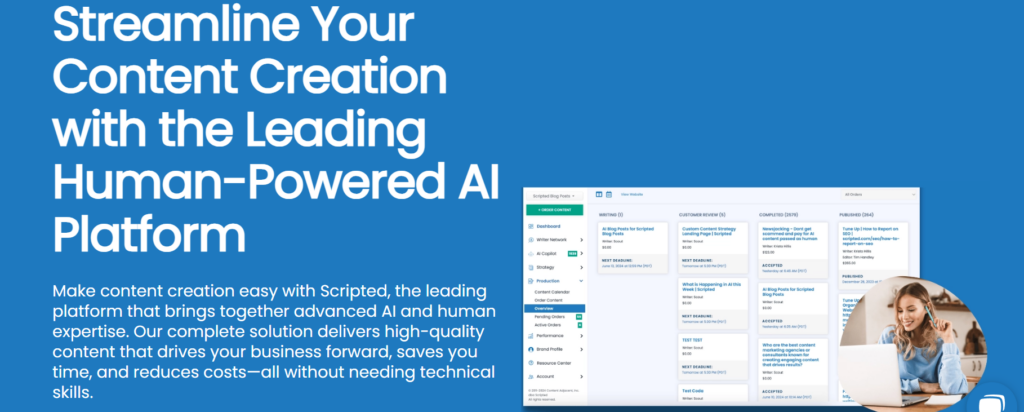
Scripted is built for companies that want ongoing writing support through a subscription-like model. That can be a good fit if you plan to publish multiple whitepapers or a steady stream of campaign assets.
The benefit is consistency. If you find a writer who understands your product and voice, you can keep the momentum without restarting the hiring process every time.
The drawback is that it’s not as flexible as hiring one-off freelancers. You’ll want to be confident you have enough volume to justify the model.
Why I chose Scripted
I chose Scripted because it can work well for repeatable whitepaper production. If your team is building a library of assets and you want a consistent process, this model is worth considering.
Key features
Pros
Cons
Learn more: Check out Scripted on their website.
Whitepaper pricing depends on five things:
You’ll see a few common pricing structures across platforms. Some writers charge hourly, some price per project, and some platforms use per-word or tiered pricing models. In general, the more technical and research-heavy the whitepaper is, the more I prefer project pricing with milestones tied to outline, draft, and revision rounds.
One thing I always factor in is “total documentation cost,” even though this is marketing content. Your internal time matters. If your SMEs need five rounds of review because the writer isn’t skilled enough to capture the topic accurately, the cheapest writer becomes the most expensive option.
A whitepaper isn’t a blog post wrapped in a PDF. I hire differently because the standards are different.
First, I look for real research skills. That means the writer can synthesize sources, structure an argument, and explain complex ideas clearly without over-claiming.
Second, I look for domain knowledge or the ability to learn fast. If the topic is niche or technical, I’d rather hire someone who has written in similar industries than someone who is guessing their way through unfamiliar material.
Third, I look for process maturity. Whitepapers involve outlining, stakeholder feedback, proofreading, and at least one round of major edits. A writer who can’t run a clean process will create friction.
Client reviews are one of the best “truth signals” you get when hiring online, but only if you know what to look for.
I don’t care much about reviews that say “great communication” without specifics. I care about reviews that mention timely delivery, the ability to handle complex subject matter, strong project management, and a clear track record of producing B2B marketing materials that got used.
Here’s how I use testimonials and review systems in practice:
If a platform doesn’t have a strong review system (like a job board), I replace that signal with references, case studies, and a paid trial assignment.
The fastest way to choose is to start with your risk tolerance and your complexity level.
If you need maximum optionality and you’re willing to vet, start with Upwork. If you want cost-effective drafts and you can define scope, Fiverr can work well. If you want higher confidence with less screening, go with a vetted platform like Toptal, or a more managed content solution like Contently.
If you’re hiring for a niche or technical whitepaper, don’t skip the outline step. Pay for an outline first, review the argument and structure, then approve the full draft. That one move prevents a lot of expensive disappointment.
If you’re hiring writers across different formats, these guides will help you tighten your vetting process and choose platforms faster:
Here I answer the most frequently asked questions about hiring a whitepaper writer.
I look for three things: a strong portfolio of whitepapers (not just blogs), reviews that mention research and stakeholder management, and a process that starts with an outline. If they can’t show structure and reasoning, the final draft won’t land.
Pricing varies based on research depth, topic complexity, and length. In practice, I budget based on milestones (outline, first draft, revisions), so I’m paying for progress, not just pages.
For whitepapers, I prefer per-project pricing with milestones. Hourly can work for interviews, research support, or editing, but full whitepaper drafts are easier to manage when the deliverables are clear.
I include the target audience, the whitepaper’s goal, the distribution plan, 3-5 key points we need to prove, and any required sources or SMEs. I also include tone examples so the writer doesn’t write a “vendor brochure” when I want a research-backed narrative.
I prioritize reviews that describe outcomes and process, not just friendliness. I also look for consistency across multiple clients and cross-check testimonials against the writer’s portfolio to confirm that the quality matches the claims.
Pay for a paid trial that produces a real artifact. My favorite is an outline plus a 1-2-page sample section, because it forces the writer to demonstrate research, structure, and voice before committing to the full draft.
Get the weekly newsletter keeping 23,000+ technical writers in the loop.
Learn technical writing and advance your career.
Please check your email for a confirmation message shortly.





















Get our #1 industry rated weekly technical writing reads newsletter.
Your syllabus has been sent to your email