

I still remember the first time I realized “good writing” and “good business writing” are not the same thing. I had written something that sounded polished, but it failed the only test that mattered: nobody did anything after reading it.
I’ve been on both sides of this. I started my writing career in a fast-moving software environment, then wrote documentation for big product teams, and now I run Technical Writer HQ and build writing workflows at Squibler.
Most articles on business writing give you generic templates and vague advice like “be professional.” This one is different. I’m going to show you the simple framework I use, how the major business writing types actually show up at work, and what to practice if you want your writing to move real projects forward.
Okay, let’s get into it.
Business writing is professional writing meant to inform, align, or persuade people so work can happen. It shows up everywhere: emails, memos, proposals, reports, policies, announcements, and even the copy on your website.
What makes it “business” is the expectation of real-world outcomes. Someone should be able to read what you wrote and know what you want, what’s true, and what happens next.
Here’s the framework I use for basically every business document, from a quick email to a strategy memo. I call it Bottom line, Support, Next step.
Start with the bottom line. If the reader only reads the first two sentences, they should still understand the point and your ask.
Then add support. This is where you include context, constraints, and the minimum facts needed to believe you.
Finally, make the next step painfully obvious. If you want approval, say what “yes” looks like and by when. If you want action, assign the owner and define success.
If you want more examples of what “good” looks like across formats, I keep a running collection in my guide to business writing examples I’m using for inspiration.
Most people treat business writing as one thing, but it’s easier to get good at it when you separate it into types. I like the classic four-way split because it maps cleanly to what you do all day at work, and it keeps you from using the wrong tone for the job.
If you want the short version, my breakdown matches the same four categories I explain in these types of business writing that matter. The difference here is I’m going to tell you how I decide which type I’m using before I write a single sentence.

Instructional business writing tells someone how to do something correctly, usually with as little interpretation as possible. When I’m writing an SOP, an onboarding guide, or a process doc, I’m not trying to sound smart. I’m trying to remove uncertainty.
The quickest way to improve instructional writing is to write for the moment of execution. Picture the reader doing the task with one hand on the keyboard and zero patience, then write in a way that makes the next action obvious.
This shows up in manuals, SOPs, onboarding instructions, internal training docs, and help content. If you’re building heavier process documentation, it can be worth pairing business writing with formal process tooling, like the platforms I cover in my guide to process documentation software.

Informational writing shares facts, updates, and decisions without trying to “sell” anything. Think status reports, quarterly reviews, annual reports, meeting minutes, regulatory reviews, and performance summaries.
The trap here is dumping data without shaping it. I try to write informational docs so a reader can answer: What changed, why does it matter, and what should I do with this information?
If you want to see informational writing done well (and badly), skim a few examples in my roundup of business writing examples, then compare them to a real internal report you’ve received lately.
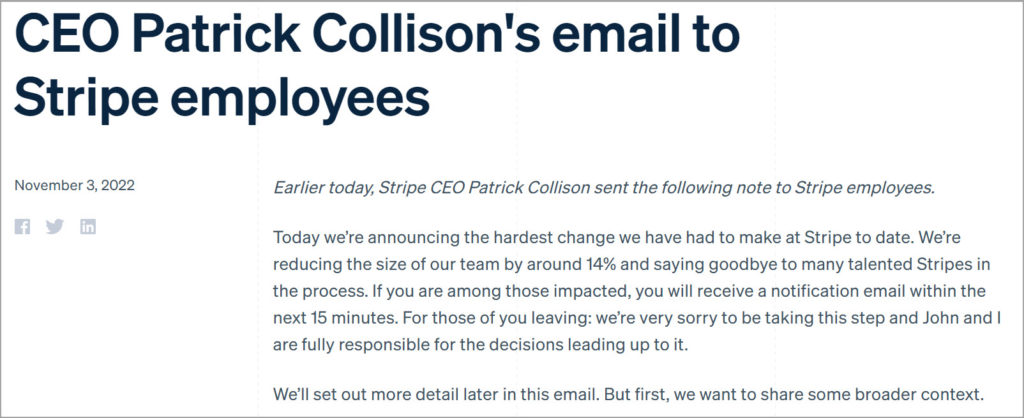
Transactional writing is the day-to-day glue work: emails, memos, handoffs, confirmations, approvals, and basic coordination. It’s not glamorous, but it’s where your reputation gets built because it happens so often.
I treat transactional writing like interface design. If the subject line is unclear, the request is buried, or the timeline is fuzzy, you’re basically shipping a broken UI to your coworkers.
When I’m trying to level up this area fast, I focus on the basics from my list of business writing tips I’d give anyone on my team.

Persuasive writing asks the reader to believe something and do something. This includes proposals, press releases, fundraising letters, marketing content, sales letters, and internal pitches for headcount or budget.
The thing people get wrong is that they treat persuasion as hype. In reality, strong persuasive business writing is structured, evidence-based, and respectful of the reader’s risk.
If you’re doing persuasion regularly, you’ll probably benefit from studying the mechanics behind it, not just copying templates. I’ve laid out the “why” behind it in my guide to business writing principles that actually work, and if you’d rather outsource high-stakes deliverables, here’s how I think about business writing services I trust.
If I had to summarize great business writing in one line, it’s this: it respects the reader’s time and makes the next step obvious. Everything else is a supporting detail.
Clarity is the core feature. Your reader should never have to guess what you mean, what you want, or what the point is.
Concise comes next, but not in a “make it short” way. I’m talking about removing anything that does not help the reader decide, act, or understand.
Accuracy is non-negotiable. Business writing lives in a professional setting where a wrong number, a vague claim, or a sloppy summary can create real damage.
Structure is what makes clarity possible at speed. Headings, hierarchy, and white space aren’t aesthetic choices. They’re usability choices that help a reader scan, find what matters, and stay oriented.
Tone is the silent dealbreaker. Business writing usually needs a professional tone that’s direct and neutral, but still human.
One practical rule I love is “bottom line up front.” Put the decision, recommendation, or request at the top, then earn it with context below.
If you want to go deeper on the specific micro-skills that create this effect, I broke them down in my guide to business writing skills that actually matter.
Business writing exists because spoken communication doesn’t scale. You can’t replay a hallway conversation, but you can forward an email, link a doc, or audit a decision six months later.
The first purpose is information exchange. Business writing moves updates across teams, captures requirements, and documents what “done” means so you don’t pay the confusion tax later.
The second purpose is credibility. When your writing is clear, accurate, and consistent, people assume you think clearly, too.
The third purpose is alignment. A good memo can get five stakeholders to agree on a plan without five meetings.
There’s also a quiet operational benefit: record keeping. Business writing creates the paper trail that protects teams, clarifies ownership, and makes quality management possible.
And yes, it drives revenue when it’s used for persuasive writing, marketing, sales enablement, proposals, and web presence. The “bottom line on top” mindset matters here because readers are deciding whether to trust you.
If you’re trying to build these outcomes faster, the shortcut is reps plus feedback. That’s why I often point people toward structured learning like business writing courses I’d actually take in 2026 or faster, workshop-style options like business writing classes I’d take again.
Business writing gets confusing because it borrows pieces from other writing styles, but the expectations are different. If you write a business email like an academic essay, you’ll sound “smart” and still lose the reader.
Academic writing is optimized for demonstrating understanding, engaging with outside sources, and building an argument that can be evaluated. Business writing is optimized for action and decision-making, usually under time pressure.
Creative writing is optimized for voice, emotion, imagery, and originality. Business writing can still be engaging, but clarity and relevance win every time because the reader is trying to get through a day.
Technical writing is the closest cousin. Both care about clarity, structure, and reducing ambiguity, and both get punished when jargon shows up without context.
The difference is the center of gravity. Technical writing usually deals with a specialized topic and task completion, so precision and correctness are everything. Business writing deals with people, priorities, and trade-offs, so tone, brevity, and clear asks matter more.
This is also why “professional tone” is such a loaded phrase. In academic writing, professionalism often means formal language. In business writing, it usually means being direct, respectful, and easy to follow.
If you live in both worlds, you’ll notice the blend. An SOP often feels like technical writing, while a strategy memo feels closer to persuasive writing. If you’re building repeatable internal processes, it can also help to see how teams package SOP work, like the deliverables described in SOP writing services.
Here are some of the top technical writing courses you can check out to strengthen your writing and documentation skills.

If you want to get better now, don’t start with vocabulary. Start with audience awareness and revision habits, because those two things fix most business writing problems.
Before you draft, do a 60-second prewriting pass. Who is the intended audience, what do they already know, and what do you want them to do after reading?
Then outline in plain language. I like a simple structure: bottom line, key context, options, recommendation, next step.
After the first draft, revise for scanability. Add headings, tighten hierarchy, and create white space so the document looks readable before anyone reads a word.
Next, do a “jargon sweep.” Replace technical jargon unless you’re sure the reader uses it daily, and when you keep a term, define it once.
Finally, proofread like your job depends on it, because sometimes it does. I like using the plain language guide series on Digital.gov as a checklist, then doing a quick readability pass in the Hemingway Editor to catch overly dense sentences.
The other underrated improvement strategy is constructive feedback. Ask one person who’s close to the topic and one person who’s not, then watch where they get confused.
If you want a steady stream of practice prompts, rewrite drills, and tactical fixes, I keep a bunch of these in my guide to business writing tips and the deeper skill breakdown in business writing skills. And if you learn best from books, here are the business writing books I’d recommend.
Effective business writing is less about sounding professional and more about being useful. When you consistently write with clarity, conciseness, and a clear next step, you become the person people trust to move work forward.
One good email turns into fewer meetings. One clear SOP turns into fewer mistakes. One strong proposal turns into real revenue.
Here, I answer the most frequently asked questions about business writing.
Business writing is professional communication designed to inform, align, or persuade so work can happen. It includes emails, memos, reports, proposals, policies, and marketing materials, as long as the goal is a real outcome, not self-expression.
The most common categories are instructional, informational, transactional, and persuasive. Thinking in these types helps you choose the right structure and tone before you draft.
Clarity, conciseness, accuracy, structure, and tone are the foundation. If you nail those five, you’ll avoid the most common mistakes like vague asks, bloated paragraphs, and confusing logic.
Technical writing is usually optimized for correct task completion in a specialized domain, so precision is the center of gravity. Business writing is optimized for decisions and coordination across people, so brevity, clarity, and clear next steps matter more.
Lead with the bottom line in the first one or two sentences. Then add only the context the reader needs, and end with a specific next step, owner, and deadline so it’s easy to respond.
Practice short, real documents and revise them aggressively. The fastest wins come from audience-first outlining, tightening structure with headings and white space, removing jargon, and getting feedback from someone who represents your real reader.
Learn technical writing and advance your career.
Your syllabus has been sent to your email