Google Technical Writer Interview Questions I’d Prepare For

By
Josh Fechter
Josh Fechter
I’m the founder of Technical Writer HQ and Squibler, an AI writing platform. I began my technical writing career in 2014 at…
More About Josh →
×
Quick summary
Google technical writer interviews are less about “perfect writing” and more about how you work with SMEs, simplify complex systems, handle feedback, and ship docs that help real users. Here are the 7 question buckets I’d prep plus answer frameworks.

I’ve been a technical writer for a while, and I’ve learned something slightly annoying: the people who talk the most about writing in interviews aren’t always the ones who thrive on the job.

Because the job isn’t “write nice words.” The job is: take messy, half-formed technical reality from a product team (engineers, product managers, UX, support), turn it into documentation that’s accurate, scannable, and useful, then keep it maintained when everything changes two weeks later.

Google interview process

Also, this post is different from the usual “50 interview questions” lists. I’m not trying to dump a question bank on you. I’m trying to show you what Google is really testing and how I’d structure answers so you come across like someone who can do the job, not someone who memorized a script.

Okay, let’s get into it.

Google Technical Writer Interview Questions: The 7 Buckets

Even though interview levels and loops vary by team, most Google technical writer interviews cluster into the same themes:

  1. Approach to working with subject matter experts
  2. Communication of technical concepts (especially to non-technical audiences)
  3. Examples and standards of technical documentation
  4. General interview questions (motivation, job fit, career change, etc.)
  5. Handling feedback and process improvement
  6. Interview process expectations (phone screen, writing exercises, Google Meet logistics)

Technical and job-specific questions (tools, workflows, writing samples, and scenario judgment)
If you want the day-to-day context for the role before you practice answers, start with what a Google technical writer does. It makes your interview answers sound grounded in reality instead of generic.

1. Approach to Working with Subject Matter Experts

This topic shows up constantly, because your ability to work with SMEs is the job. Google wants to know if you can collaborate with a software developer, a product manager, and a broader product team without wasting anyone’s time.
Expect questions like:

  • How do you interview subject matter experts?
  • What are the typical obstacles you face during information gathering?
  • What do you do when an SME is too busy to review your draft?
  • How do you handle conflicting input from engineering vs. product management?
  • How do you build trust with SMEs when you don’t have deep technical experience in their domain yet?

How to answer:

  1. I align on the “why” before the “what.” I ask what the doc is for, who the target audiences are, and what success looks like (reduce support tickets? speed up onboarding? unblock an integration?).
  2. I do pre-work so I don’t “make the SME teach.” I request lightweight artifacts: a PRD, tickets, a design doc, a demo, a build, or a repo link. Then I come to the SME with a draft outline and specific questions.
  3. I interview in short, focused bursts. I send an agenda ahead of time, ask for examples/counterexamples, and validate terminology early so we don’t create a glossary war later.
  4. I validate by doing the thing whenever possible. If the doc includes steps, I run the steps. If it’s an API flow, I try the request. If it’s UI behavior, I reproduce it.
  5. I make reviews easy to approve. I don’t ask “any thoughts?” I ask “Can you validate steps 3 to 7 and confirm the parameter names?” Smaller review surface = faster sign-off.
    If you want to level up here fast, build one story that shows you can manage SME relationships under pressure. Bonus points if you naturally weave in phrases like requirement analysis, fact-checking, and maintenance, because that signals you understand the full documentation process, not just drafting.

2. Communication of Technical Concepts

This bucket tests whether you can simplify a technical subject without breaking accuracy. Google cares a lot about how you explain things, especially when the audience is mixed (developers, PMs, support, sometimes the general public).
Expect questions like:

  • Explain a complex technical concept to a non-technical audience.
  • How do you define such concepts completely without overwhelming the reader?
  • How do you convert complex information into something readable and actionable?
  • How do you write for two audiences at once (newbies + experts)?

How to answer:

  • Audience: Who is reading? What do they already know?
  • Goal: What are they trying to do right now?
  • Mental model: What’s the simplest correct explanation that lets them succeed?
  • Proof: Give an example, a sample, or a short “expected output” so they can verify they’re on track.

In practice, that looks like:

  • Start with the outcome (“By the end of this, you’ll have X working”)
  • Define key terms only when needed
  • Use consistent wording (don’t call it “token” in one paragraph and “key” in the next)
  • Include a small example or snippet (even a pseudo example) so the reader can sanity-check
    If you want a surprisingly strong prep resource for this, skim Google’s developer documentation style guide. Not because you need to memorize it, but because it trains your instincts around clarity, conciseness, and reader-first writing.

3. Examples and Standards of Technical Documentation

This bucket is about taste and standards: do you know what “good documentation” looks like (and can you explain why)?
Expect questions like:

  • What does great technical documentation look like to you?
  • What standards do you follow (clarity, conciseness, legibility)?
  • What documentation do you admire, and why?
  • How do you evaluate documentation quality?

What to listen for and what to say:
Good technical documentation isn’t just “clear.” It’s structured around user tasks, designed for scanning, and maintained like a product asset.
Here are the standards to mention:

  • Clarity: the reader understands what to do and why it matters
  • Conciseness: no filler, no repeated explanations, no “documentation throat-clearing”
  • Legibility: headings that scan well, clean lists, consistent terms, predictable formatting
  • Audience fit: the doc matches the user’s context (developer docs != end-user docs)
  • Examples: sample requests, expected outputs, real scenarios

Maintenance: the doc has an owner and doesn’t rot silently

If they ask for examples, it’s fair to reference well-known docs like Slack’s developer docs as an example of strong structure and scannability (especially for API readers). Slack’s API docs are a decent reference point for what “developer-first” navigation often looks like.

One thing I’d add in a Google interview: documentation is part of the product experience. Saying that (and meaning it) signals you understand technical communication as UX, not just writing.
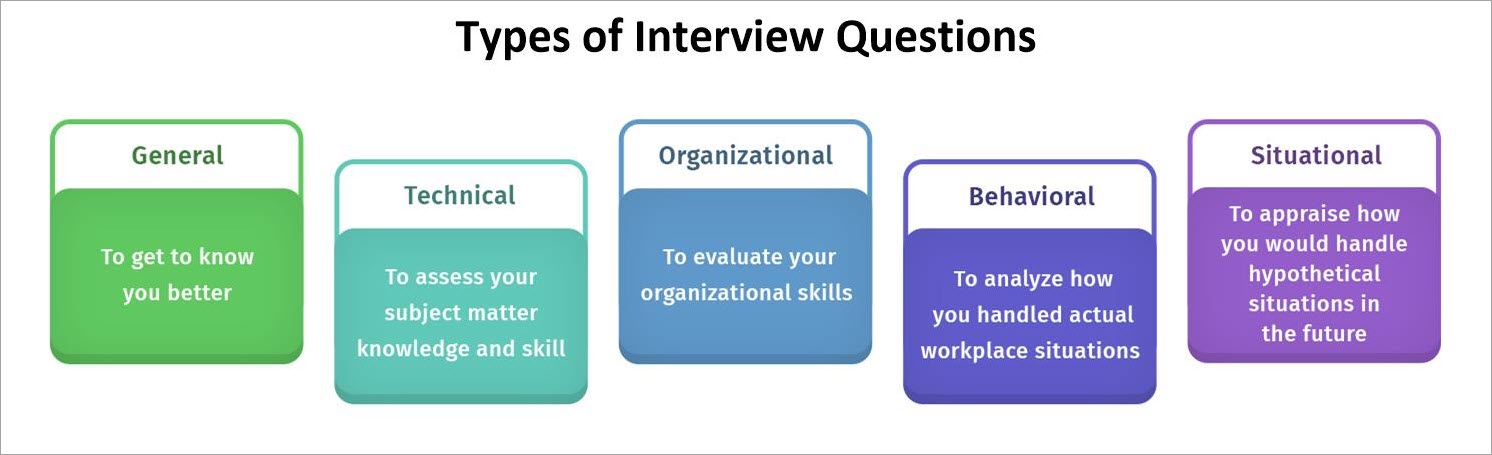
Types of Interview Questions

4. General Interview Questions

These are the questions that look “basic” but actually matter because they reveal your motivation, collaboration style, and job fit.
Expect questions like:

  • Why do you want to work at Google?
  • What do you like about technical writing?
  • Tell me about your background and content writing experience.
  • Why are you making a career change?
  • What kind of teams do you work best with?
  • Where do you see yourself in 3 to 5 years (long-term careers)?
  • What questions do you have for us? (This is your reverse interview.)

How to answer without sounding rehearsed:

  • I connect my motivation to the work (documentation quality at scale, impact across Google products, cross-functional systems)
  • I give one short story that shows how I work (not just what I believe)
  • I show I understand the role’s responsibilities beyond writing (reviews, stakeholder management, iteration)

Reverse interview questions to ask (and yes, they matter):

  • What’s the current documentation process (and what’s broken about it)?
  • Who are the primary target audiences for this doc set?
  • How do engineering and product management participate in review?
  • What does “great” look like 90 days into this role?
  • How do you handle doc maintenance when products ship fast?

Also: if you’re interviewing remotely, don’t be surprised if your early rounds happen over Google Meet, and you’ll get a mix of behavioral and practical questions.

5. Handling Feedback and Process Improvement

This is where Google tests whether you’re easy to work with, or “that writer” who treats feedback like a personal attack.
Expect questions like:

  • Tell me about a time you received tough feedback.
  • How do you handle peer review?
  • Describe your editing processes and proofreading approach.
  • How do you improve a documentation workflow over time?
  • How do you ensure accuracy (fact-checking) when SMEs disagree?

My answer approach:

I treat feedback as data. I want to know:

  1. Is the feedback about correctness? (Must fix.)
  2. Is it about clarity? (Usually fix.)
  3. Is it subjective preference? (Discuss, then decide based on audience + standards.)
    If you want to sound especially strong here, mention the document development life cycle (DDLC) in plain language:
    • Requirement analysis
    • Drafting
    • Peer review
    • SME review
    • Editing + proofreading
    • Publishing
    • Maintenance

Then add a practical detail like, “I keep a change log or ticket trail so the next writer understands why a decision was made.” That signals you operate in real systems, not just in Word docs floating around.

6. Interview Process Expectations at Google

This section helps with nerves, because anxiety mostly comes from not knowing what’s coming.
What you might see:

  • Application + recruiter screen (basic fit, location, timeline, role type like contract tech writer vs full-time technical writer position)
  • Phone screen / initial interview (writing background, collaboration, technical experience)
  • Writing exercises (editing test, rewriting for clarity, or a short spec-like task)
  • Panel loop (multiple interviews across writing, stakeholder scenarios, and technical judgment)
  • Post-interview writing test (sometimes, depends on team)

A few prep tips I’d actually follow:

  • Build 2 to 3 strong stories you can reuse (SME conflict, ambiguous requirements, tight deadline)
  • Bring 2 writing samples you can talk through confidently (what you did, why you structured it that way, what you’d improve)
  • Practice explaining one technical concept in 60 seconds, then again in 20 seconds (it’s a great “clarity under pressure” drill)

If you want to see how interview questions are commonly framed in the role overall, review these technical writer interview questions and answers and adapt them to Google’s environment.

7. Technical and Job-Specific Questions

This bucket tests whether you can operate in the tools and workflows real teams use, and whether you understand technical writing concepts beyond “I write clearly.”

Expect questions like:

  • What documentation and publication tools have you worked with?
  • What do you use to manage version control (Git, docs-as-code workflows)?
  • How do you handle writing instructions for a new feature with unclear requirements?
  • How do you write for B2B audiences vs consumer/general public audiences?
  • How do you approach documenting Google products you’ve never used before?
  • Do you have code samples or a portfolio? (Or can you explain a snippet you were given?)
  • What would you do if the job description asks for domain knowledge you don’t have?
    What I’d include in my answers (without overdoing it):
  • Tools: Markdown, Google Docs, Confluence, GitHub, static site generators, CMS tools (mention what you’ve actually used)
  • Workflows: docs-as-code, review cycles, structured templates, style guides, publishing gates
  • Judgment: when to write a how-to vs a concept guide vs reference docs

Quality: how you enforce standards at scale (templates, checklists, editorial reviews)

If you’re worried about “technical interviews,” remember: for technical writers, “technical” often means technical comprehension + accuracy, not hardcore coding. You might be asked to read a basic snippet, explain a workflow, or describe how you’d document an API endpoint.
One prep move I recommend: make sure you have a clean portfolio. If you need inspiration, look at these technical writing portfolio examples and steal the structural ideas (not the content).

If you’re looking to master the technical writing skills so you can professionally answer these Google technical writer interview questions, check out our world-recognized technical writing course:
Closing Thoughts

If you take nothing else from this: Google interviewers aren’t just hiring a writer. They’re hiring someone who can sit inside a moving product org, collaborate with SMEs, handle feedback, and ship documentation that stays useful.

So when you practice answers, don’t aim for “perfect.” Aim for “repeatable.” A calm process beats a flashy sentence every time.

And if you’re curious about compensation benchmarks, the most credible baseline is the U.S. Bureau of Labor Statistics page for technical writer salary data and outlook.

FAQ

Here are frequently asked questions about Google technical writer interview process.

How many rounds are in a Google technical writer interview?

It depends on the team, but it’s common to see multiple stages: a recruiter screen, one or more interviews focused on writing and collaboration, and sometimes a writing exercise or post-interview writing test.

Do I need to be a software developer to get hired as a technical writer at Google?

No. You do need solid technical experience in the sense that you can understand systems, ask good questions, and document accurately. But you’re not usually expected to code like an engineer.

What writing samples should I bring to a Google technical writer interview?

Bring samples that show range: one that demonstrates structured how-to writing (clear steps, prerequisites, troubleshooting), and one that demonstrates concept explanation (simplifying a technical subject for a specific audience). Make sure you can explain your decisions.

How do I prepare for the writing exercise?

Practice two things: tightening messy text (editing for clarity and conciseness) and building a small doc from scratch (outline -> draft -> revise). If you can, rehearse under time constraints so it feels normal.

What’s the best way to talk about working with subject matter experts?

Describe a real process: pre-reading, focused interviews, validation, and tight review requests. Interviewers want to hear that you respect SME time and can still get accurate information.

What questions should I ask at the end (reverse interview)?

Ask about the documentation process, review culture, target audiences, and what success looks like in the first 90 days. Those questions signal maturity and help you avoid walking into a broken workflow with no support.


If you are new to technical writing and are looking to break into the industry, we recommend taking our Technical Writing Certification Course, where you will learn the fundamentals of writing and managing technical documentation.

Stay up to date with the latest technical writing trends.

Get the weekly newsletter keeping 23,000+ technical writers in the loop.