
Our reviewers evaluate career opinion pieces independently. Learn how we stay transparent, our methodology, and tell us about anything we missed.

Our reviewers evaluate career opinion pieces independently. Learn how we stay transparent, our methodology, and tell us about anything we missed.
Early in my career, I thought everything was a “guide.” Setup doc, guide. Incident response doc, guide. Proposal, also somehow a guide. I was one step away from naming every file Final_FINAL_v7_guide_reallyfinal.docx.
Once I learned to name and structure the right document type, my writing got easier, reviews got faster, and stakeholders stopped treating docs like a mysterious art project. If you want the bigger foundation first, start with what technical writing is and keep technical writing examples bookmarked so you can sanity-check formats.
You can also watch my video on the topic if you prefer the video format.
Most technical writing problems are not writing problems. They’re document selection problems.
When you choose the right type, the structure writes itself. When you choose the wrong type, you end up with a doc that is correct and still useless, which is my least favorite genre of documentation.
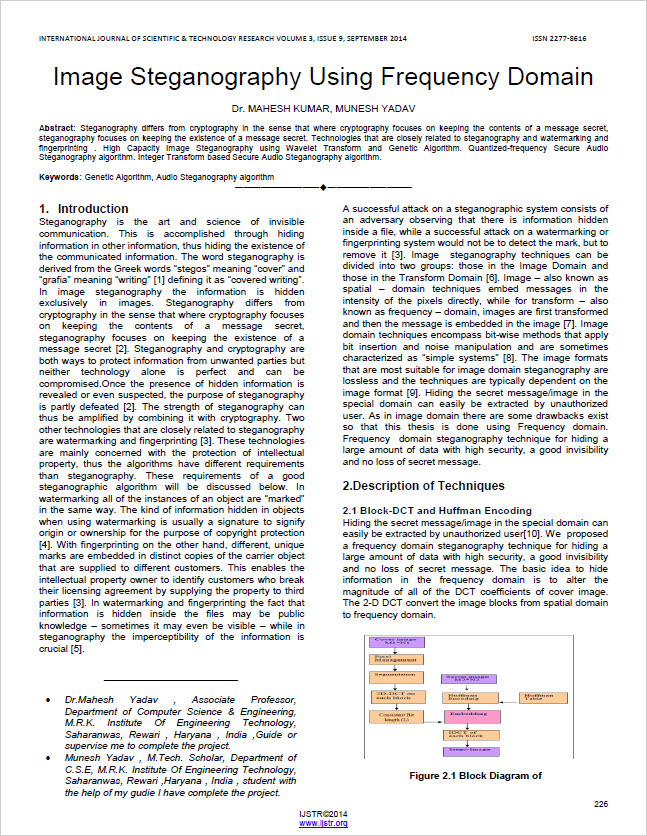
Technical writing within the medical and science realm comes under the traditional technical writing umbrella.
This is the first example of modifying technical information to make it understandable for a specific audience.
Researchers use this academic to interpret their findings, organize and condense them into engaging content, and publish it in various journals, newsletters, and online platforms.
The skill requirements for medico-scientific papers include:
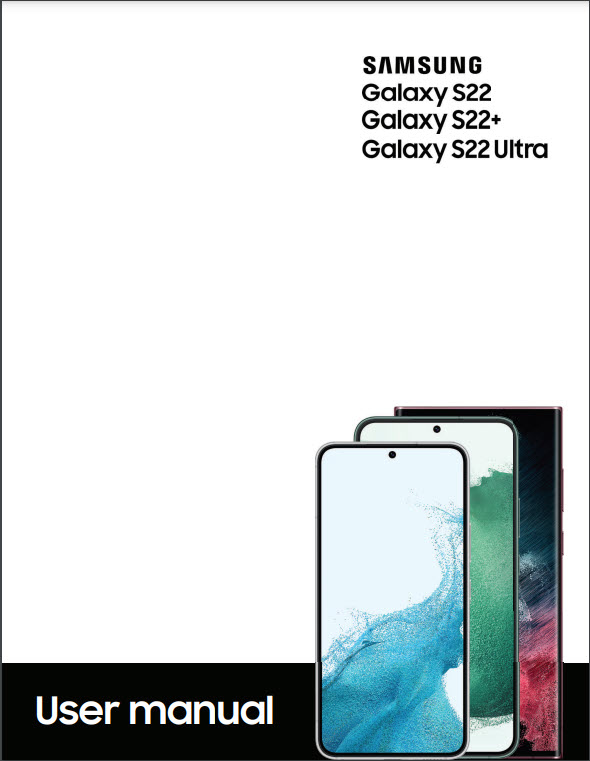
User guides are a common form of technical writing that even non-technical professionals encounter.
This type looks to answer specific usage-related questions for consumer products and improve everyone’s end-user experience.
User help guides break down the product into its constituent parts, explain how each part functions, and answer questions about each piece’s solutions. Furthermore, they involve answering queries as consumers use the product for an extended period.
Check out our Technical Writing Certification Course if you’re interested in technical writing for user guides and other technical documentation.
Standard skill requirements for the technical writing of user guides include:
Product or repair manual writers can find jobs with various employers, from copywriting firms to production companies. However, technical writing is a somewhat limited field, so look for an employer that offers progressive growth when applying for a job in this genre.
Writing technical books and long-form guides differs from the previous genre due to the length of the content, its conceptual nature, and the amount of detail they go into.
This type of writing extends a simple user guide. It talks about the intentions and purpose behind the product (usually software products).
Interestingly, even though they are more detailed, technical books must be written so any user can comprehend them.
The skill requirements for writing this form of technical documentation include:
These books can also serve as troubleshooting guides for software programs. In this role, they have to account for all the possible problems the program could encounter and explain solutions for each one.
Assembly and repair manuals are another niche form of technical writing.
This is due to the technical skills required to understand the disassembly and re-assembly process of a specific machine or piece of equipment. Most general repair guides contain assembly manuals for various types of machinery.
Assembly guides are different from any other form of technical communication because most (if not all) companies require you to be able to perform disassembly.
The skill requirements for assembly manuals and guides include:
While most companies are looking for technicians with writing skills, some accept career writers who are willing to learn about processes.
Corporate content development contains reviews and reports for stakeholder meetings, proposals, and business pitches.
It’s another versatile form that mixes academic reporting and technical research-based guides. Reports are technical documents that explain the process and outcome of any research, be it scientific or business-centric.
Technical reports take several forms, such as feasibility reports, primary research reports, business plans and prospectuses, short-form proposals, press releases, and case studies.
The skill requirements for assembly technical documents, reviews, and reports include:
Technical reports are essential parts of corporate operations. This makes the job quite well-paying in most cases.
Every doc type above benefits from editing, but the consequences of skipping it vary by industry. In software, a doc error can become a support ticket. In safety documentation, a doc error can become an incident.
Editing is about clarity, logic, structure, and user-friendliness. Proofreading is about correctness at the sentence level, including grammar, spelling, formatting, and consistency.
I do a first pass for structure, a second pass for clarity, and a final pass for consistency. If a doc has legal implications or operational safety concerns, I also require a correctness check with SMEs before it ships.
If you want a simple way to keep editing consistent across a team, use a style guide and a checklist. You can build that system using technical writer style guide and then measure whether it’s working with technical writing metrics.
Technical writing shows up everywhere, but you feel the stakes most in software, healthcare, manufacturing, aviation, and regulated industries. These environments rely on technical accuracy, careful review, and disciplined updates.
If you are building your career and want to grow across industries, the skill foundation matters more than the niche, and technical writing skills are the best roadmap I have for that.
When someone asks for “documentation,” I run a quick mental checklist before I write a single sentence. It saves me from writing a beautiful doc that solves the wrong problem.
I ask what the reader is trying to do, what they already know, and where they are getting stuck. If they need to complete a task, I lean toward guides, SOPs, or online help.
If they need to understand a system or make a decision, I lean toward product documentation, reports, or white papers.
Support content is fast and symptom-based. Learning content is structured and progressive. Reference content is precise, scannable, and complete.
If you get this wrong, your doc will feel “off” even if every sentence is fine.
If the content will be searched, use headings and self-contained pages. If it will be used during incidents, prioritize runbook-style checklists and verification steps. If it will be used in contracts, prioritize precision and definitions.
When I coach new writers, I also push them to build a small portfolio that shows these differences in action, and technical writer portfolio examples help with that.
There are many types of technical writing, but you do not need to master them all at once. You just need to get good at choosing the right format for the reader’s goal.
If you want to grow fast, pick one type you see in job listings and practice it until it feels natural. Then add a second type, and repeat.
Here are the most common questions I get about types of technical writing.
The most common types include user guides and manuals, product documentation, API and software documentation, online help and FAQs, instructional training materials, SOPs and policies, proposals and statements of work, and technical reports and white papers.
Most software products rely on a mix of product documentation, online help, troubleshooting resources, and API documentation when developers integrate with the product. The “best” type depends on whether the reader is an end user, admin, or developer.
API docs focus on endpoints, parameters, authentication, and runnable examples. User guides focus on tasks and outcomes for end users and tend to use less code and more workflow explanations.
An SOP explains how to perform a process step by step. A policy defines rules, standards, and expectations, including compliance requirements and responsibilities.
White papers can be either, depending on intent and audience. Many white papers blend technical and business goals by educating readers and influencing decisions with evidence.
Start by learning a few core doc types, then build small samples that prove you can explain a technical topic clearly. After that, practice interviewing SMEs, revising based on feedback, and improving structure and clarity over time.
Get the weekly newsletter keeping 23,000+ technical writers in the loop.
Learn technical writing and advance your career.
Please check your email for a confirmation message shortly.





















Get our #1 industry rated weekly technical writing reads newsletter.
Your syllabus has been sent to your email