Our reviewers evaluate writing services independently. Learn how we stay transparent, our methodology, and tell us about anything we missed.

Our reviewers evaluate writing services independently. Learn how we stay transparent, our methodology, and tell us about anything we missed.
Hiring a proposal writer sounds simple until you’re staring at a 70-page RFP with a two-week deadline. I’ve written over 1,000 proposals in my career, and here are the platforms I’d use.
Here’s my pick of the 11 best websites to hire a proposal writer.
Hiring a proposal writer is different from hiring a blog writer or a ghostwriter. Proposal writing is structured, deadline-driven, and high-stakes. Whether you’re responding to government RFPs, corporate RFPs, or grant applications, the platform you choose impacts quality and speed.
I’ve worked on proposals almost daily at Technical Writer HQ and Squibler, so I’m picky about where I look for talent. Below are the platforms I trust most.
Each of these platforms serves a slightly different use case. Some are better for government RFP writing. Others are stronger for corporate proposals or technical bid documentation. Assessing your needs is paramount before making a choice.

Upwork is the best choice for flexible freelance proposal writers.
This large platform gives you access to thousands of freelance proposal writers with experience across industries. You can filter by experience with government RFPs, corporate bids, or grant applications.
I picked Upwork because of its innate flexibility. It gives me an excellent opportunity to run a paid trial, evaluate writing samples, and structure milestone payments for different proposal phases.
It’s also ideal when you need someone quickly and want control over budget and scope.
Pros
Cons
Learn more: Check out Upwork on their website.

The go-to for research-heavy technical proposals.
Kolabtree connects you with subject matter experts, including PhDs and industry specialists. This makes it strong for technical government proposals and RFP responses in regulated industries.
I selected Kolabtree for proposals that require in-depth research and data-driven storytelling. If you’re responding to a government RFP in a technical industry, expertise matters more than flashy writing.
This platform reduces the risk of hiring someone who doesn’t understand the subject.
Pros
Cons
Learn more: Check out Kolabtree on their website.
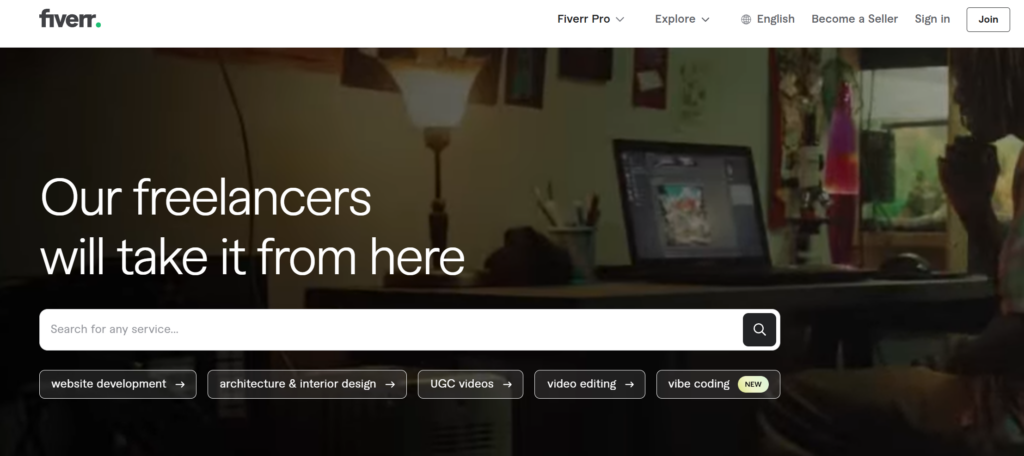
The pro version is the best for finding vetted, budget-friendly writers.
Fiverr Pro offers pre-vetted professionals, including proposal writers. It’s more controlled than regular Fiverr and focuses on higher-quality freelancers.
I picked Fiverr Pro for smaller projects like RFP template creation, proofreading, or editing. It’s cost-effective and efficient when you need defined deliverables.
For complex government RFP management, I’d still vet carefully.
Pros
Cons
Learn more: Check out Fiverr Pro on their website.
This could be your best bet for competitive bidding on RFPs.
Freelancer allows proposal writers to bid on your project. You compare pricing, experience, and delivery timelines. This will give you a good overview of all the options you may choose from. An excellent choice for short-term hiring.
I picked Freelancer for companies that want competitive pricing options. It’s especially useful when you have a clearly scoped RFP writing task.
The key is defining the scope tightly so you attract serious professionals who will get the job done.
Pros
Cons
Learn more: Check out Freelancer on their website.

The one to aim for if you prefer structuring your project around milestone-based proposal contracts.
Guru supports milestone-based projects and detailed freelancer profiles. It works well for clearly defined proposal development.
I picked Guru because proposal writing often involves multiple drafts, edits, and proofreaders. Milestone contracts reduce risk and help manage phases.
It’s my go-to for mid-size corporate proposals.
Pros
Cons
Learn more: Check out Guru on their website.

If hourly proposal support is your modus operandi, this will fit you like a glove.
PeoplePerHour is a freelance platform that’s especially handy when you need proposal help in smaller chunks. It’s common to use it for editing, proofreading, formatting, or tightening responses to vendor questions without hiring someone for full RFP ownership.
It’s an excellent choice when you have internal knowledge and content, but you want an experienced writer to help polish and package it.
I selected PeoplePerHour because not every proposal needs a full-time “proposal manager.” Sometimes you just need two strong hours of editing, a day of restructuring, or someone to improve readability and compliance tone. One and done.
It also works well when you’re juggling multiple projects and want flexible support without committing to a retainer.
Pros
Cons
Learn more: Check out PeoplePerHour on their website.

It may require a bit of extra effort, but it’s still the best for hiring experienced in-house proposal writers.
LinkedIn is where I go when I need seniority, specialization, or credibility signals. You can find proposal writers who have worked inside major industries, managed government RFPs, or led corporate RFP responses for years.
It’s not as fast as marketplaces, but it’s better when you need a dependable long-term partner.
I picked LinkedIn because proposal writing is often a systems job, not just a writing job. The best proposal writers understand process, stakeholder management, timelines, and version control. LinkedIn is where that experience shows up clearly.
It’s also one of the easiest places to validate a track record through past roles, recommendations, and referrals.
Pros
Cons
Learn more: Check out LinkedIn on their website.

Polished corporate proposal narratives can be a challenge even for the most experienced writers. This is where Reedsy comes in handy.
The platform is best known for book publishing talent, but it’s also a place to find writers who are strong at long-form narrative structure, clarity, and persuasive storytelling. If your proposal needs to read like a compelling business narrative, this kind of writing profile can be surprisingly useful.
It’s not the first place I’d go for compliance-heavy government proposals, but it can shine for corporate proposals where positioning matters.
I picked Reedsy for proposals that need executive-level polish, not just correctness. When you’re competing in corporate RFPs, the difference between “fine” and “compelling” can be the win.
It’s also helpful when you want writers who are used to editors, proofreaders, and structured revision workflows.
Pros
Cons
Learn more: Check out Reedsy on their website.
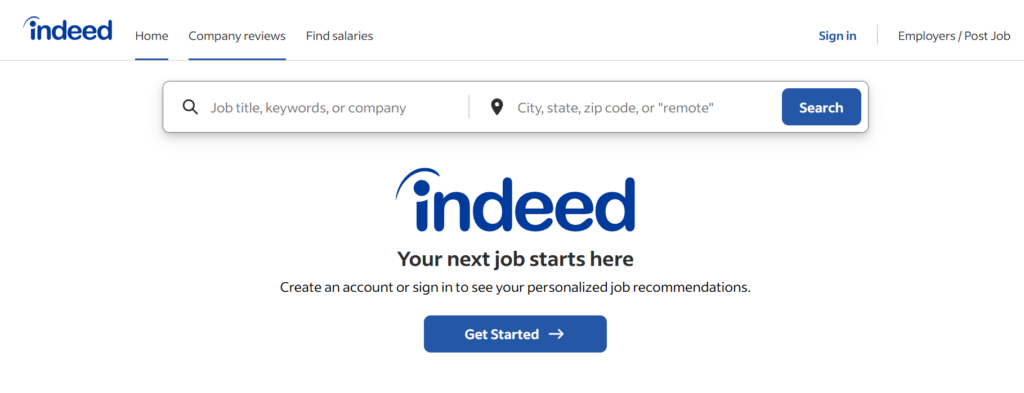
The industry standard is a good option for long-term in-house proposal hires. After all, it’s where people come to find steadier employment.
Indeed is a job board, so it’s best when you want to hire a proposal writer as a part-time, contract, or full-time employee. This is often the right move when proposal work is constant, and you need someone to own the process across multiple bids.
If your company responds to RFPs every month, an in-house role can reduce scrambling and improve your win rate.
I selected Indeed because long-term proposal operations benefit from continuity. An in-house proposal writer can learn your offerings, build reusable content, maintain templates, and coordinate stakeholders without re-onboarding every project.
If you’ve been patching together freelancers and losing time each cycle, this is how you stabilize the machine.
Pros
Cons
Learn more: Check out Indeed on their website.

The bigger your business, the higher the risk. If you’re searching for top-tier vetted business writers, this would be a good place to look.
Toptal is positioned as a high-end talent network with a screening process. It’s built for clients who want fewer candidates, higher baseline quality, and less noise in the early vetting stages.
It’s not cheap, but it can be worth it when proposals are high-value, and the cost of losing is higher than the cost of hiring.
I picked Toptal because proposal writing is high-stakes and deadline-driven. In this case, I don’t mind paying the extra dollar. If you want to reduce the risk of hiring someone who looks good on paper but cannot deliver under pressure, a vetted talent model helps.
It’s also a strong fit when your proposals need business credibility, strong structure, and crisp executive-level writing.
Pros
Cons
Learn more: Check out Toptal on their website.

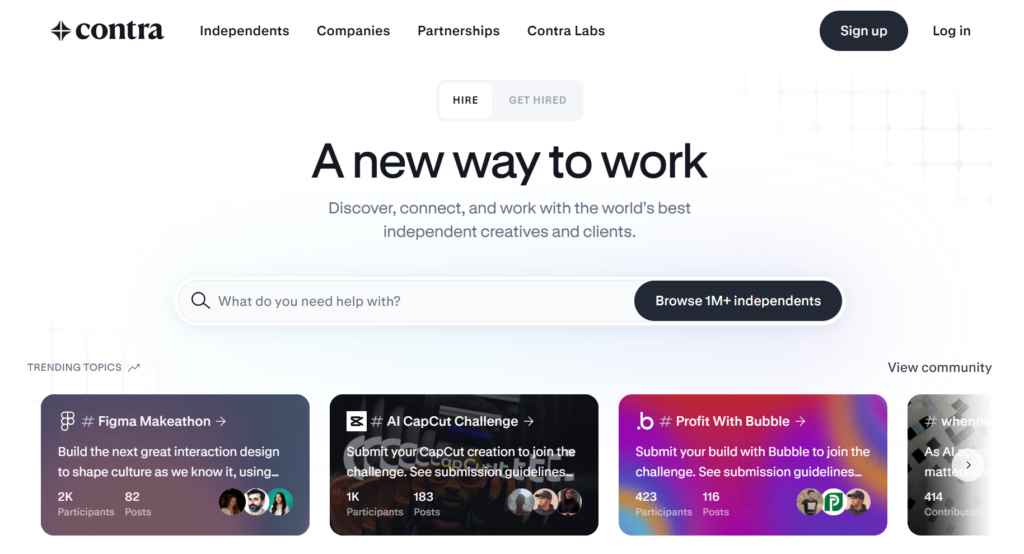
If, on the other hand, you are looking to cut costs, a commission-free platform will solve that problem for you.
Contra is a freelance platform that markets itself around lower fees and clean, direct relationships. It’s useful when you want to hire freelancers without heavy platform cuts impacting pricing.
It’s a solid option for proposal writing support when you already know what you need and want a straightforward hiring experience.
I chose Contra because platform fees quietly change the total cost. If you want to pay writers fairly without inflated rates to compensate for platform commissions, a commission-free model can help.
It’s especially useful for repeat collaborations, where you want to build a stable bench of writers you can return to.
Pros
Cons
Learn more: Check out Contra on their website.
When I evaluate a proposal writing platform, I’m not just asking, “Are there good writers here?” I’m asking whether the platform supports the kind of pressure, structure, and collaboration that proposal work demands. I focus on the needs of my project first.
Proposal writing is deadline-heavy, compliance-sensitive, and often political inside an organization. The platform needs to support that reality.
Government RFPs are compliance machines. They come with formatting rules, page limits, submission portals, mandatory forms, and evaluation criteria that are non-negotiable.
I prioritize writers who have handled federal, state, or municipal procurement before. If a writer does not understand compliance matrices, structured outlines based on evaluation criteria, and the importance of answering every requirement exactly as written, that’s a red flag.
On the platform side, I look for signals like:
Government proposals are not where you experiment with a “good general writer.” You want someone who has lived inside that structure before.
Corporate RFPs feel different. They are still structured, but they allow more narrative flexibility, positioning, and persuasive framing.
Here, I look for writers who understand business positioning, competitive differentiation, and how to speak directly to a client’s pain points. It’s less about rigid compliance and more about strategy and clarity.
On corporate projects, I value:
A strong corporate proposal writer knows how to turn features into outcomes and outcomes into wins.
Proposal writing is seldom a solo activity. Even if you hire one lead writer, they are coordinating with SMEs, project managers, editors, proofreaders, and executives. A platform that supports file sharing, version tracking, milestone check-ins, and clear communication reduces chaos.
When I evaluate platforms, I ask:
Proposal projects stretch over weeks or months. You may have an RFI first, then a draft response, then revisions, then a final submission. I prefer milestone or retainer systems because they align payment with progress. This reduces risk for both sides.
For example:
Clear structure prevents awkward mid-project pricing disputes and keeps expectations aligned.
Even the best platform will fail you if you are unclear about what you need. Before you start browsing profiles, I recommend stepping back and clarifying your situation.
Government, corporate, and grant proposals are different animals.
Government RFPs demand compliance expertise and familiarity with procurement language. Corporate proposals lean more toward positioning and persuasion. Grant proposals often focus on impact storytelling and measurable outcomes.
If you misclassify your need, you’ll hire the wrong kind of writer. Before choosing a platform, ask:
Budget drives platform choice more than people admit. Open marketplaces like Upwork or Freelancer give you pricing flexibility. You can compare bids and adjust the scope based on cost.
Curated platforms and vetted networks typically cost more, but they reduce vetting time and risk.
This is one of the most practical moves you can make. Before committing to a full RFP response, test the writer with a smaller task. That might be:
This reveals writing quality, communication speed, and ability to follow instructions. It’s far better to discover misalignment on a small section than during the final submission week.
Proposal deadlines are brutal. Slow communication kills projects. This is why I pay attention to how quickly someone responds during the hiring phase. If responses are delayed, vague, or incomplete before the contract starts, it rarely improves later.
Strong proposal writers:
Here, I answer the most frequently asked questions about hiring a proposal writer.
Costs vary by complexity and industry. Smaller corporate proposals may cost a few thousand dollars, while full government RFP management can cost significantly more.
Yes. Government RFPs require compliance expertise. General business writers often struggle with federal formatting and documentation requirements.
It depends on the scope. Smaller proposals can take one to two weeks. Large government RFPs may take months with a full team approach.
Services include RFP writing, RFI preparation, custom formatting, proofreading, editing, custom graphics, and managing the RFP process.
Yes, some can handle reviewing responses, managing documentation, coordinating SMEs, and preparing written answers to vendor questions.
Government proposals are compliance-driven and rigid. Corporate proposals are often more narrative and marketing-focused, with more flexibility in structure.
Get the weekly newsletter keeping 23,000+ technical writers in the loop.
Learn proposal writing and advance your career.
Please check your email for a confirmation message shortly.





















Get our #1 industry rated weekly technical writing reads newsletter.
Your syllabus has been sent to your email